AI & ML Models
0.0 (0 reviews) • 0 downloads
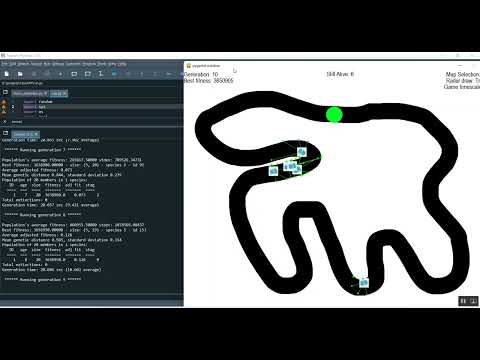
Taxi Dispatch System PYGame Simulation in Python Projects
र 1000
Taxi Dispatch System PYGame Simulation in Python Projects
Technical Details
Domain : Python
Database : Sqlite
Tools : Anaconda
Run Tools: VS Code
Database : Sqlite
Tools : Anaconda
Run Tools: VS Code
Secure Payment
Instant Download
GST Invoice
24/7 Support
About This Product
Taxi Dispatch System PYGame Simulation in Python Projects
Abstract
Efficient taxi dispatching plays a crucial role in urban transportation systems by minimizing passenger waiting time, reducing fuel consumption, and increasing driver earnings. This project presents a Taxi Dispatch System Simulation using PYGame in Python, which models real-world ride allocation between taxis and passengers in a city environment. The system simulates multiple taxis, passenger request points, path movement, and dynamic dispatching strategies. Python is used for the backend logic and PYGame for the graphical simulation interface. The model incorporates distance-based dispatching and availability-based taxi allocation algorithms. The simulation visualizes how taxis move toward pickup and drop-off points, demonstrating intelligent dispatch behavior. This project can be used for educational research, intelligent transportation systems, and algorithm testing.
Existing System
In the existing transportation systems, traditional taxi services operate with manual phone booking or simple mobile-based pickup request systems without intelligent allocation. Most current dispatching methods assign taxis based on availability only, ignoring optimal distance, fuel economy, or estimated arrival time. Ride-hailing apps like Uber and Ola have advanced dispatch systems but they are proprietary, and their algorithms are not openly available for educational or research purposes. There is also a lack of simulation tools that allow students and researchers to visualize taxi dispatch strategies dynamically. Without simulation, it is difficult to test algorithmic improvements and evaluate system performance under varying conditions like demand surge or uneven taxi distribution.
Proposed System
The proposed system is a graphical taxi dispatch simulation developed in Python using the PYGame library. The simulation uses a grid-based city map where taxis and passengers appear at random locations. When a passenger requests a ride, the system uses a distance-based dispatch algorithm to select the nearest available taxi. Each taxi navigates through the map step-by-step, picking up and dropping off passengers while updating its status. The system calculates metrics like total distance traveled, passenger wait time, and taxi utilization rate to evaluate performance. The PYGame interface visually displays taxi movements, passenger assignments, and live dispatch events, making it interactive and easy to understand. This system can be extended with enhanced pathfinding algorithms like Dijkstra or A* to simulate real-world road networks and intelligent routing.
Abstract
Efficient taxi dispatching plays a crucial role in urban transportation systems by minimizing passenger waiting time, reducing fuel consumption, and increasing driver earnings. This project presents a Taxi Dispatch System Simulation using PYGame in Python, which models real-world ride allocation between taxis and passengers in a city environment. The system simulates multiple taxis, passenger request points, path movement, and dynamic dispatching strategies. Python is used for the backend logic and PYGame for the graphical simulation interface. The model incorporates distance-based dispatching and availability-based taxi allocation algorithms. The simulation visualizes how taxis move toward pickup and drop-off points, demonstrating intelligent dispatch behavior. This project can be used for educational research, intelligent transportation systems, and algorithm testing.
Existing System
In the existing transportation systems, traditional taxi services operate with manual phone booking or simple mobile-based pickup request systems without intelligent allocation. Most current dispatching methods assign taxis based on availability only, ignoring optimal distance, fuel economy, or estimated arrival time. Ride-hailing apps like Uber and Ola have advanced dispatch systems but they are proprietary, and their algorithms are not openly available for educational or research purposes. There is also a lack of simulation tools that allow students and researchers to visualize taxi dispatch strategies dynamically. Without simulation, it is difficult to test algorithmic improvements and evaluate system performance under varying conditions like demand surge or uneven taxi distribution.
Proposed System
The proposed system is a graphical taxi dispatch simulation developed in Python using the PYGame library. The simulation uses a grid-based city map where taxis and passengers appear at random locations. When a passenger requests a ride, the system uses a distance-based dispatch algorithm to select the nearest available taxi. Each taxi navigates through the map step-by-step, picking up and dropping off passengers while updating its status. The system calculates metrics like total distance traveled, passenger wait time, and taxi utilization rate to evaluate performance. The PYGame interface visually displays taxi movements, passenger assignments, and live dispatch events, making it interactive and easy to understand. This system can be extended with enhanced pathfinding algorithms like Dijkstra or A* to simulate real-world road networks and intelligent routing.
Customer Reviews (0)
No reviews yet. Be the first!
Related Products
⭐ Featured

AI & ML Models
Zomato Restaurant Reviews Sentimental Analyzer in Python Projects
Zomato Restaurant Reviews Sentimental Analyzer in Python Projects
र 1000
⭐ Featured
⭐ Featured

AI & ML Models
Voice Disorder Prediction using Audio Dataset in Python Projects
Voice Disorder Prediction using Audio Dataset in Python Projects
र 1000

AI & ML Models
Vitamin Deficiency Detection Using Image Processing in Python Projects
Vitamin Deficiency Detection Using Image Processing in Python Projects
र 1000