AI & ML Models
0.0 (0 reviews) • 0 downloads
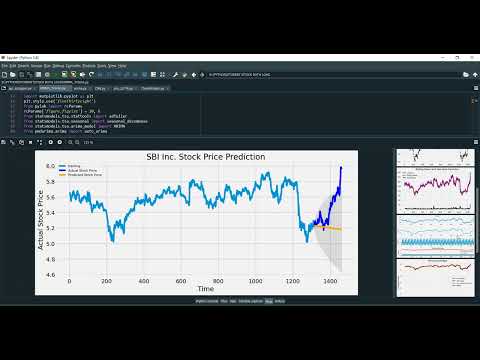
Stock Prices Prediction using Machine Learning in Python Projects
र 1000
Stock Prices Prediction using Machine Learning in Python Projects
Technical Details
Domain : Python
Database : Sqlite
Tools : Anaconda
Run Tools: VS Code
Database : Sqlite
Tools : Anaconda
Run Tools: VS Code
Secure Payment
Instant Download
GST Invoice
24/7 Support
About This Product
Stock Prices Prediction using Machine Learning in Python
Abstract
Stock Price Prediction using Machine Learning is a financial analytics project that predicts future stock prices based on historical market data. Investors often face challenges in making profitable investment decisions due to the volatility of stock markets. This project applies machine learning algorithms to analyze historical stock prices, trading volume, and technical indicators to forecast future stock prices with improved accuracy.
The system collects stock market data, preprocesses it by handling missing values and normalization, extracts important features, and trains machine learning models such as Linear Regression, Random Forest, Decision Tree, Support Vector Regression (SVR), and Long Short-Term Memory (LSTM). The trained model predicts future stock prices and visualizes actual versus predicted values. Performance is evaluated using metrics like MAE, MSE, RMSE, and R² Score.
This project assists investors, researchers, and financial analysts in understanding stock market trends and making informed investment decisions.
Existing System
The traditional stock prediction system relies mainly on:
Manual analysis of stock charts
Fundamental analysis of companies
Technical indicators only
Expert financial advisors
Rule-based prediction methods
Disadvantages
Low prediction accuracy
Time-consuming analysis
Unable to process large historical datasets
Highly dependent on human expertise
Difficult to identify hidden patterns
Less effective during market volatility
Proposed System
The proposed system uses Machine Learning algorithms to predict future stock prices automatically.
The system:
Downloads historical stock market data
Cleans and preprocesses the dataset
Extracts useful financial features
Trains multiple machine learning models
Predicts future stock prices
Compares actual vs predicted prices
Displays interactive graphs
Evaluates model performance
Advantages
Higher prediction accuracy
Fast prediction process
Handles large datasets
Automatic feature learning
Better investment support
Easy visualization of trends
Scalable and efficient
Abstract
Stock Price Prediction using Machine Learning is a financial analytics project that predicts future stock prices based on historical market data. Investors often face challenges in making profitable investment decisions due to the volatility of stock markets. This project applies machine learning algorithms to analyze historical stock prices, trading volume, and technical indicators to forecast future stock prices with improved accuracy.
The system collects stock market data, preprocesses it by handling missing values and normalization, extracts important features, and trains machine learning models such as Linear Regression, Random Forest, Decision Tree, Support Vector Regression (SVR), and Long Short-Term Memory (LSTM). The trained model predicts future stock prices and visualizes actual versus predicted values. Performance is evaluated using metrics like MAE, MSE, RMSE, and R² Score.
This project assists investors, researchers, and financial analysts in understanding stock market trends and making informed investment decisions.
Existing System
The traditional stock prediction system relies mainly on:
Manual analysis of stock charts
Fundamental analysis of companies
Technical indicators only
Expert financial advisors
Rule-based prediction methods
Disadvantages
Low prediction accuracy
Time-consuming analysis
Unable to process large historical datasets
Highly dependent on human expertise
Difficult to identify hidden patterns
Less effective during market volatility
Proposed System
The proposed system uses Machine Learning algorithms to predict future stock prices automatically.
The system:
Downloads historical stock market data
Cleans and preprocesses the dataset
Extracts useful financial features
Trains multiple machine learning models
Predicts future stock prices
Compares actual vs predicted prices
Displays interactive graphs
Evaluates model performance
Advantages
Higher prediction accuracy
Fast prediction process
Handles large datasets
Automatic feature learning
Better investment support
Easy visualization of trends
Scalable and efficient
Customer Reviews (0)
No reviews yet. Be the first!
Related Products
⭐ Featured
AI & ML Models
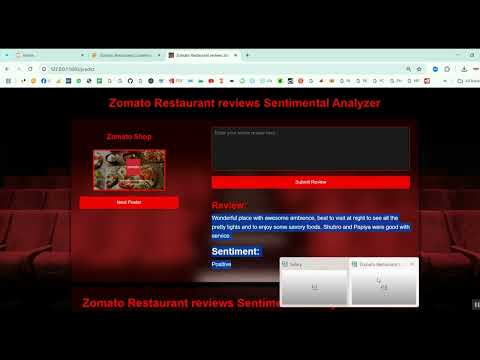
Zomato Restaurant Reviews Sentimental Analyzer in Python Projects
Zomato Restaurant Reviews Sentimental Analyzer in Python Projects
र 1000
⭐ Featured
⭐ Featured
AI & ML Models
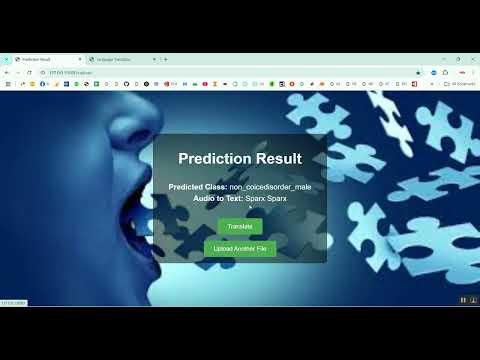
Voice Disorder Prediction using Audio Dataset in Python Projects
Voice Disorder Prediction using Audio Dataset in Python Projects
र 1000

AI & ML Models
Vitamin Deficiency Detection Using Image Processing in Python Projects
Vitamin Deficiency Detection Using Image Processing in Python Projects
र 1000