AI & ML Models
0.0 (0 reviews) • 0 downloads
Social Spam Instagram Data Analysis in Python Projects
र 1000
Social Spam Instagram Data Analysis in Python Projects
Technical Details
Domain : Python
Database : Sqlite
Tools : Anaconda
Run Tools: VS Code
Database : Sqlite
Tools : Anaconda
Run Tools: VS Code
Secure Payment
Instant Download
GST Invoice
24/7 Support
About This Product
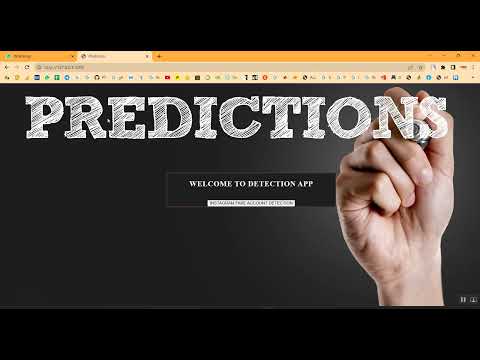
Social Spam Instagram Data Analysis in Python Projects
Abstract
Social media platforms like Instagram have become integral to communication and marketing, but they are also vulnerable to spam accounts, fake followers, and malicious content. Detecting and analyzing spam activity is crucial for maintaining platform integrity, improving user experience, and protecting businesses from fraudulent engagement. This project focuses on Social Spam Instagram Data Analysis using Python to identify spam profiles, comments, and interactions. The system collects Instagram data using APIs or scraping techniques, preprocesses it to handle noise and missing values, and applies data analysis and machine learning techniques for spam detection. Python libraries such as Pandas, NumPy, Matplotlib, Seaborn, and Scikit-learn are utilized to analyze patterns, detect anomalies, and classify accounts as genuine or spam. The project provides insights into spam behavior, helps in reducing fake engagement, and strengthens social media security.
Existing System
Existing methods for Instagram spam detection are largely rule-based, relying on fixed thresholds such as the number of followers, frequency of posts, or comment patterns to identify suspicious accounts. These approaches are limited in adaptability and often fail to detect sophisticated spam techniques like bot-generated comments, cloned profiles, or engagement farms. Traditional systems also depend on manual reporting by users, which is reactive and inefficient for large-scale analysis. Moreover, conventional analytics tools focus on basic statistics and engagement metrics without advanced machine learning capabilities, resulting in inaccurate or delayed identification of spam activities. As a result, platforms often struggle to maintain user trust, prevent fraudulent promotions, and ensure authentic social interactions.
Proposed System
The proposed system introduces a Python-based machine learning framework for detecting social spam on Instagram. The system collects data from Instagram accounts, posts, comments, likes, and follower activity. After preprocessing, features such as posting frequency, follower-following ratio, comment content, and engagement patterns are extracted for analysis. Machine learning models like decision trees, random forests, support vector machines, or ensemble methods are trained to classify accounts or activities as spam or genuine. Exploratory Data Analysis (EDA) and visualizations using Matplotlib, Seaborn, or Plotly help understand trends and highlight suspicious behavior. The system can also provide predictive insights to flag potential spam before it spreads, enabling proactive intervention. By automating detection and integrating advanced analytics, the proposed system enhances social media security, maintains platform credibility, and supports businesses in achieving genuine engagement.
Abstract
Social media platforms like Instagram have become integral to communication and marketing, but they are also vulnerable to spam accounts, fake followers, and malicious content. Detecting and analyzing spam activity is crucial for maintaining platform integrity, improving user experience, and protecting businesses from fraudulent engagement. This project focuses on Social Spam Instagram Data Analysis using Python to identify spam profiles, comments, and interactions. The system collects Instagram data using APIs or scraping techniques, preprocesses it to handle noise and missing values, and applies data analysis and machine learning techniques for spam detection. Python libraries such as Pandas, NumPy, Matplotlib, Seaborn, and Scikit-learn are utilized to analyze patterns, detect anomalies, and classify accounts as genuine or spam. The project provides insights into spam behavior, helps in reducing fake engagement, and strengthens social media security.
Existing System
Existing methods for Instagram spam detection are largely rule-based, relying on fixed thresholds such as the number of followers, frequency of posts, or comment patterns to identify suspicious accounts. These approaches are limited in adaptability and often fail to detect sophisticated spam techniques like bot-generated comments, cloned profiles, or engagement farms. Traditional systems also depend on manual reporting by users, which is reactive and inefficient for large-scale analysis. Moreover, conventional analytics tools focus on basic statistics and engagement metrics without advanced machine learning capabilities, resulting in inaccurate or delayed identification of spam activities. As a result, platforms often struggle to maintain user trust, prevent fraudulent promotions, and ensure authentic social interactions.
Proposed System
The proposed system introduces a Python-based machine learning framework for detecting social spam on Instagram. The system collects data from Instagram accounts, posts, comments, likes, and follower activity. After preprocessing, features such as posting frequency, follower-following ratio, comment content, and engagement patterns are extracted for analysis. Machine learning models like decision trees, random forests, support vector machines, or ensemble methods are trained to classify accounts or activities as spam or genuine. Exploratory Data Analysis (EDA) and visualizations using Matplotlib, Seaborn, or Plotly help understand trends and highlight suspicious behavior. The system can also provide predictive insights to flag potential spam before it spreads, enabling proactive intervention. By automating detection and integrating advanced analytics, the proposed system enhances social media security, maintains platform credibility, and supports businesses in achieving genuine engagement.
Customer Reviews (0)
No reviews yet. Be the first!
Related Products
⭐ Featured
AI & ML Models
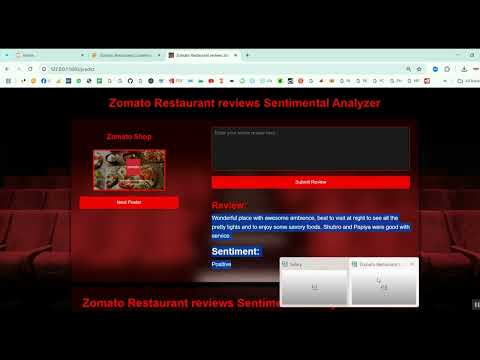
Zomato Restaurant Reviews Sentimental Analyzer in Python Projects
Zomato Restaurant Reviews Sentimental Analyzer in Python Projects
र 1000
⭐ Featured
⭐ Featured
AI & ML Models
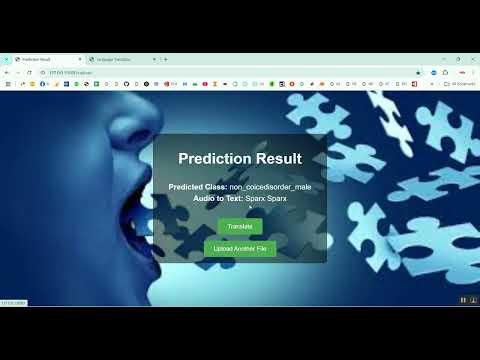
Voice Disorder Prediction using Audio Dataset in Python Projects
Voice Disorder Prediction using Audio Dataset in Python Projects
र 1000
AI & ML Models
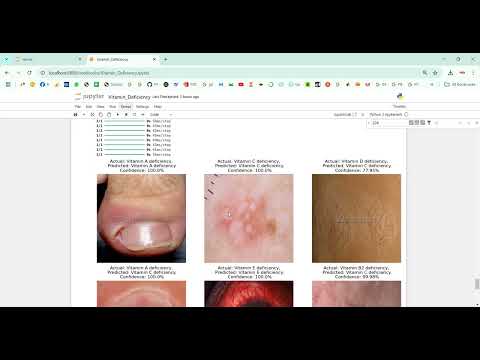
Vitamin Deficiency Detection Using Image Processing in Python Projects
Vitamin Deficiency Detection Using Image Processing in Python Projects
र 1000