AI & ML Models
0.0 (0 reviews) • 0 downloads
Smoking User Behaviour Stage Prediction in Python Projects
र 1000
Smoking User Behaviour Stage Prediction in Python Projects
Technical Details
Domain : Python
Database : Sqlite
Tools : Anaconda
Run Tools: VS Code
Database : Sqlite
Tools : Anaconda
Run Tools: VS Code
Secure Payment
Instant Download
GST Invoice
24/7 Support
About This Product
Smoking User Behaviour Stage Prediction in Python Projects
Abstract
Smoking is a significant public health concern, and understanding user behavior can help in designing effective intervention strategies. Predicting the stage of a smoker—whether they are in the experimentation, regular use, or cessation stage—enables healthcare providers and policymakers to tailor awareness campaigns and support programs. This project focuses on smoking user behavior stage prediction using Python, leveraging data collected from surveys, social media activity, or wearable devices. The system employs data preprocessing, statistical analysis, and machine learning techniques such as decision trees, random forests, or neural networks to classify users into different behavior stages. By providing accurate predictions, the system helps in monitoring smoking patterns, identifying at-risk users, and supporting preventive measures.
Existing System
Existing approaches for smoking behavior analysis largely rely on surveys, interviews, or medical records to assess user habits. These methods are manual, time-consuming, and often subjective, leading to inconsistencies in classification. Traditional systems fail to handle large-scale data or perform real-time analysis, limiting their effectiveness in identifying trends and intervention needs. Moreover, rule-based systems that categorize users based on simple criteria such as age or cigarette consumption are insufficient to capture the complexity of behavior patterns. These systems also lack predictive capabilities and cannot provide proactive recommendations for behavior modification or cessation support, reducing their impact in public health strategies.
Proposed System
The proposed system introduces a Python-based machine learning framework to predict the stage of smoking behavior among users. Data from surveys, social platforms, or wearable devices is preprocessed to handle missing values, normalize features, and encode categorical variables. Machine learning models such as random forests, gradient boosting, or neural networks are trained on labeled datasets to classify users into stages like experimentation, occasional use, regular use, or cessation. The system evaluates model performance using metrics like accuracy, precision, recall, and F1-score, ensuring reliable predictions. Visualizations using Matplotlib or Seaborn illustrate patterns, trends, and correlations in smoking behavior. The system can be extended into a web interface or mobile application for real-time monitoring and personalized recommendations, supporting preventive healthcare and promoting smoking cessation programs. By leveraging data-driven insights, the proposed system enables targeted interventions and proactive health management.
Abstract
Smoking is a significant public health concern, and understanding user behavior can help in designing effective intervention strategies. Predicting the stage of a smoker—whether they are in the experimentation, regular use, or cessation stage—enables healthcare providers and policymakers to tailor awareness campaigns and support programs. This project focuses on smoking user behavior stage prediction using Python, leveraging data collected from surveys, social media activity, or wearable devices. The system employs data preprocessing, statistical analysis, and machine learning techniques such as decision trees, random forests, or neural networks to classify users into different behavior stages. By providing accurate predictions, the system helps in monitoring smoking patterns, identifying at-risk users, and supporting preventive measures.
Existing System
Existing approaches for smoking behavior analysis largely rely on surveys, interviews, or medical records to assess user habits. These methods are manual, time-consuming, and often subjective, leading to inconsistencies in classification. Traditional systems fail to handle large-scale data or perform real-time analysis, limiting their effectiveness in identifying trends and intervention needs. Moreover, rule-based systems that categorize users based on simple criteria such as age or cigarette consumption are insufficient to capture the complexity of behavior patterns. These systems also lack predictive capabilities and cannot provide proactive recommendations for behavior modification or cessation support, reducing their impact in public health strategies.
Proposed System
The proposed system introduces a Python-based machine learning framework to predict the stage of smoking behavior among users. Data from surveys, social platforms, or wearable devices is preprocessed to handle missing values, normalize features, and encode categorical variables. Machine learning models such as random forests, gradient boosting, or neural networks are trained on labeled datasets to classify users into stages like experimentation, occasional use, regular use, or cessation. The system evaluates model performance using metrics like accuracy, precision, recall, and F1-score, ensuring reliable predictions. Visualizations using Matplotlib or Seaborn illustrate patterns, trends, and correlations in smoking behavior. The system can be extended into a web interface or mobile application for real-time monitoring and personalized recommendations, supporting preventive healthcare and promoting smoking cessation programs. By leveraging data-driven insights, the proposed system enables targeted interventions and proactive health management.
Customer Reviews (0)
No reviews yet. Be the first!
Related Products
⭐ Featured
AI & ML Models
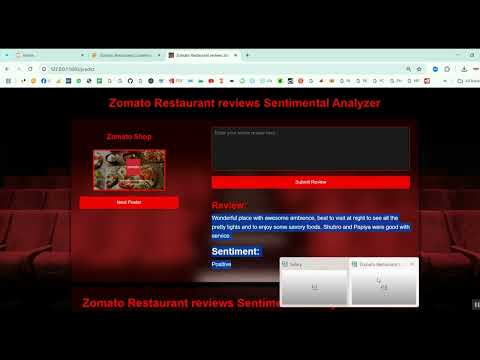
Zomato Restaurant Reviews Sentimental Analyzer in Python Projects
Zomato Restaurant Reviews Sentimental Analyzer in Python Projects
र 1000
⭐ Featured
⭐ Featured
AI & ML Models
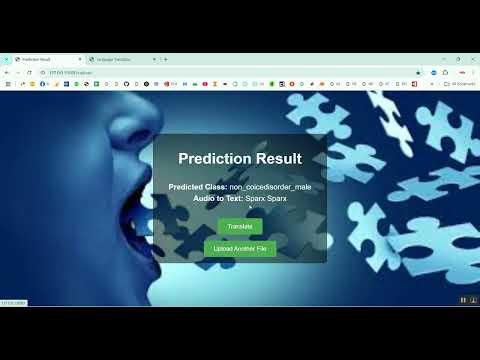
Voice Disorder Prediction using Audio Dataset in Python Projects
Voice Disorder Prediction using Audio Dataset in Python Projects
र 1000
AI & ML Models
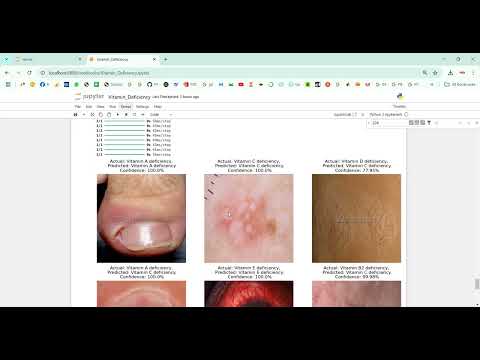
Vitamin Deficiency Detection Using Image Processing in Python Projects
Vitamin Deficiency Detection Using Image Processing in Python Projects
र 1000