AI & ML Models
0.0 (0 reviews) • 0 downloads
Smart Grid Data Analysis in Python Projects
र 1000
Smart Grid Data Analysis in Python Projects
Technical Details
Domain : Python
Database : Sqlite
Tools : Anaconda
Run Tools: VS Code
Database : Sqlite
Tools : Anaconda
Run Tools: VS Code
Secure Payment
Instant Download
GST Invoice
24/7 Support
About This Product
Smart Grid Data Analysis in Python Projects
Abstract
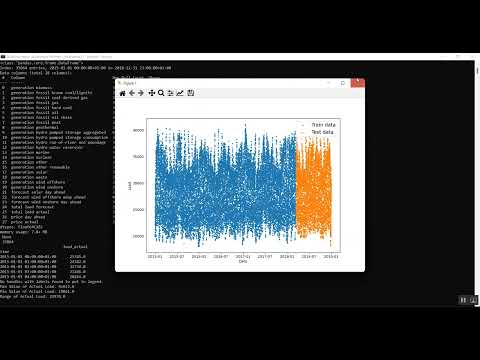
Smart grids are modernized electrical grids that integrate digital technology, sensors, and data analytics to optimize electricity generation, distribution, and consumption. The large volume of data generated by smart meters, sensors, and IoT devices requires efficient analysis to enhance grid reliability, detect anomalies, forecast demand, and improve energy efficiency. This project focuses on analyzing smart grid data using Python to extract actionable insights and support decision-making. It employs data preprocessing, statistical analysis, visualization, and machine learning techniques to study consumption patterns, detect irregularities, and forecast short-term load demand. Python libraries such as Pandas, NumPy, Matplotlib, Seaborn, and Scikit-learn are utilized to build a robust analytical framework that can process real-time and historical data from smart grid systems, enabling utilities to optimize performance and reduce energy wastage.
Existing System
In traditional power grid systems, data analysis is minimal and often manual, relying on periodic meter readings and offline statistical methods. Such systems have limited visibility into real-time electricity usage and are unable to respond efficiently to dynamic load changes or power anomalies. Existing grid monitoring tools focus primarily on operational metrics and fault detection but lack predictive capabilities and advanced analytics. Moreover, conventional systems cannot integrate large datasets from multiple sources such as renewable energy inputs, consumer smart meters, and sensor networks, resulting in suboptimal decision-making. The inability to detect consumption patterns, peak loads, and potential outages in advance reduces grid efficiency and increases operational costs. Existing systems also lack interactive visualization and predictive modeling capabilities, making it challenging for utilities to make data-driven decisions quickly.
Proposed System
The proposed system introduces a Python-based smart grid data analysis framework that leverages machine learning and statistical techniques to extract meaningful insights from energy consumption datasets. The system begins with data preprocessing, handling missing values, normalization, and transformation of raw smart meter data. Exploratory data analysis (EDA) is performed to visualize consumption trends, peak demand periods, and anomalies. Predictive models such as linear regression, support vector machines, or time-series forecasting methods like ARIMA or LSTM are used to forecast short-term electricity demand and detect potential irregularities. The system also includes visualization dashboards created using Matplotlib, Seaborn, or Plotly to present trends and predictions in an interactive format. By integrating historical and real-time data, the system enables utilities to optimize load management, reduce energy losses, and improve grid reliability. The proposed framework is scalable, automated, and adaptable to different smart grid infrastructures, providing a comprehensive solution for modern energy management.
Abstract
Smart grids are modernized electrical grids that integrate digital technology, sensors, and data analytics to optimize electricity generation, distribution, and consumption. The large volume of data generated by smart meters, sensors, and IoT devices requires efficient analysis to enhance grid reliability, detect anomalies, forecast demand, and improve energy efficiency. This project focuses on analyzing smart grid data using Python to extract actionable insights and support decision-making. It employs data preprocessing, statistical analysis, visualization, and machine learning techniques to study consumption patterns, detect irregularities, and forecast short-term load demand. Python libraries such as Pandas, NumPy, Matplotlib, Seaborn, and Scikit-learn are utilized to build a robust analytical framework that can process real-time and historical data from smart grid systems, enabling utilities to optimize performance and reduce energy wastage.
Existing System
In traditional power grid systems, data analysis is minimal and often manual, relying on periodic meter readings and offline statistical methods. Such systems have limited visibility into real-time electricity usage and are unable to respond efficiently to dynamic load changes or power anomalies. Existing grid monitoring tools focus primarily on operational metrics and fault detection but lack predictive capabilities and advanced analytics. Moreover, conventional systems cannot integrate large datasets from multiple sources such as renewable energy inputs, consumer smart meters, and sensor networks, resulting in suboptimal decision-making. The inability to detect consumption patterns, peak loads, and potential outages in advance reduces grid efficiency and increases operational costs. Existing systems also lack interactive visualization and predictive modeling capabilities, making it challenging for utilities to make data-driven decisions quickly.
Proposed System
The proposed system introduces a Python-based smart grid data analysis framework that leverages machine learning and statistical techniques to extract meaningful insights from energy consumption datasets. The system begins with data preprocessing, handling missing values, normalization, and transformation of raw smart meter data. Exploratory data analysis (EDA) is performed to visualize consumption trends, peak demand periods, and anomalies. Predictive models such as linear regression, support vector machines, or time-series forecasting methods like ARIMA or LSTM are used to forecast short-term electricity demand and detect potential irregularities. The system also includes visualization dashboards created using Matplotlib, Seaborn, or Plotly to present trends and predictions in an interactive format. By integrating historical and real-time data, the system enables utilities to optimize load management, reduce energy losses, and improve grid reliability. The proposed framework is scalable, automated, and adaptable to different smart grid infrastructures, providing a comprehensive solution for modern energy management.
Customer Reviews (0)
No reviews yet. Be the first!
Related Products
⭐ Featured

AI & ML Models
Zomato Restaurant Reviews Sentimental Analyzer in Python Projects
Zomato Restaurant Reviews Sentimental Analyzer in Python Projects
र 1000
⭐ Featured
⭐ Featured
AI & ML Models
Voice Disorder Prediction using Audio Dataset in Python Projects
Voice Disorder Prediction using Audio Dataset in Python Projects
र 1000

AI & ML Models
Vitamin Deficiency Detection Using Image Processing in Python Projects
Vitamin Deficiency Detection Using Image Processing in Python Projects
र 1000