AI & ML Models
0.0 (0 reviews) • 0 downloads
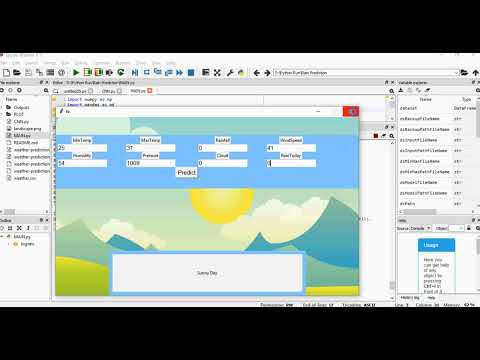
Rain Fall Prediction Text Data Analysis in Python Projects
र 1000
Rain Fall Prediction Text Data Analysis in Python Projects
Technical Details
Domain : Python
Database : Sqlite
Tools : Anaconda
Run Tools: VS Code
Database : Sqlite
Tools : Anaconda
Run Tools: VS Code
Secure Payment
Instant Download
GST Invoice
24/7 Support
About This Product
Rain Fall Prediction Text Data Analysis in Python Projects
Abstract
The Rainfall Prediction Text Data Analysis Project is a Python-based system designed to forecast rainfall using historical weather records, textual reports, and sensor-generated datasets. Unlike traditional numerical-only weather prediction methods, this system analyzes structured and unstructured textual data such as weather reports, meteorological logs, and environmental observations. Natural Language Processing (NLP) techniques are used to preprocess text, extract relevant features, and convert them into numerical representations suitable for machine learning models. The system employs algorithms such as Random Forest, Support Vector Machines (SVM), or LSTM for prediction, depending on the temporal nature of the data. Python libraries including Pandas, NumPy, NLTK, Scikit-learn, and Matplotlib are used for data processing, feature extraction, model training, and result visualization. This approach provides a complementary method for rainfall forecasting, particularly in areas where sensor data may be sparse or incomplete.
Existing System
Traditional rainfall prediction primarily relies on numerical weather data, including temperature, humidity, pressure, and precipitation measurements, using statistical or physical models like linear regression, ARIMA, or physical weather simulations. While effective in many cases, these methods often ignore textual weather reports, meteorologist notes, and environmental observations that contain valuable insights about micro-climates, unusual weather events, or local rainfall trends. Existing numerical models also require consistent, high-quality sensor data, which may not be available in remote or under-monitored areas. Consequently, predictions in such regions can be inaccurate or delayed, limiting the applicability of conventional approaches.
Proposed System
The proposed system leverages text data analysis and machine learning to enhance rainfall prediction capabilities. Textual weather reports, historical logs, and environmental observations are preprocessed using NLP techniques such as tokenization, stop-word removal, lemmatization, and feature extraction using TF-IDF or word embeddings. Extracted features are combined with available numerical weather data, and machine learning models such as Random Forest, SVM, or LSTM networks are trained to predict rainfall occurrence and intensity. Python libraries like NLTK or SpaCy handle text preprocessing, Scikit-learn manages model building, and Matplotlib/Seaborn visualize results. Users can input historical text data or sensor readings, and the system outputs predicted rainfall probability or expected precipitation amounts. This approach improves prediction accuracy, utilizes underexplored textual information, and offers a practical solution for regions with incomplete meteorological data.
Abstract
The Rainfall Prediction Text Data Analysis Project is a Python-based system designed to forecast rainfall using historical weather records, textual reports, and sensor-generated datasets. Unlike traditional numerical-only weather prediction methods, this system analyzes structured and unstructured textual data such as weather reports, meteorological logs, and environmental observations. Natural Language Processing (NLP) techniques are used to preprocess text, extract relevant features, and convert them into numerical representations suitable for machine learning models. The system employs algorithms such as Random Forest, Support Vector Machines (SVM), or LSTM for prediction, depending on the temporal nature of the data. Python libraries including Pandas, NumPy, NLTK, Scikit-learn, and Matplotlib are used for data processing, feature extraction, model training, and result visualization. This approach provides a complementary method for rainfall forecasting, particularly in areas where sensor data may be sparse or incomplete.
Existing System
Traditional rainfall prediction primarily relies on numerical weather data, including temperature, humidity, pressure, and precipitation measurements, using statistical or physical models like linear regression, ARIMA, or physical weather simulations. While effective in many cases, these methods often ignore textual weather reports, meteorologist notes, and environmental observations that contain valuable insights about micro-climates, unusual weather events, or local rainfall trends. Existing numerical models also require consistent, high-quality sensor data, which may not be available in remote or under-monitored areas. Consequently, predictions in such regions can be inaccurate or delayed, limiting the applicability of conventional approaches.
Proposed System
The proposed system leverages text data analysis and machine learning to enhance rainfall prediction capabilities. Textual weather reports, historical logs, and environmental observations are preprocessed using NLP techniques such as tokenization, stop-word removal, lemmatization, and feature extraction using TF-IDF or word embeddings. Extracted features are combined with available numerical weather data, and machine learning models such as Random Forest, SVM, or LSTM networks are trained to predict rainfall occurrence and intensity. Python libraries like NLTK or SpaCy handle text preprocessing, Scikit-learn manages model building, and Matplotlib/Seaborn visualize results. Users can input historical text data or sensor readings, and the system outputs predicted rainfall probability or expected precipitation amounts. This approach improves prediction accuracy, utilizes underexplored textual information, and offers a practical solution for regions with incomplete meteorological data.
Customer Reviews (0)
No reviews yet. Be the first!
Related Products
⭐ Featured
AI & ML Models
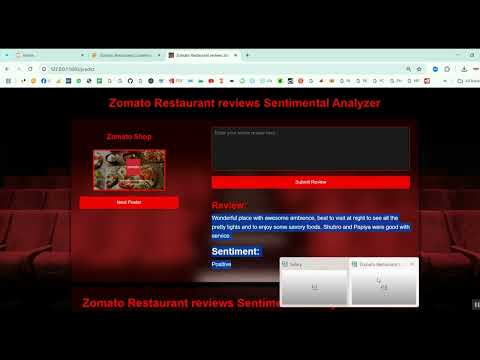
Zomato Restaurant Reviews Sentimental Analyzer in Python Projects
Zomato Restaurant Reviews Sentimental Analyzer in Python Projects
र 1000
⭐ Featured
⭐ Featured
AI & ML Models
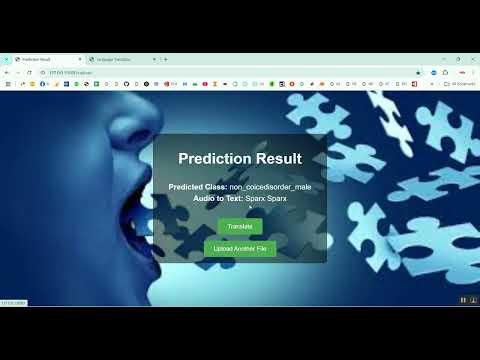
Voice Disorder Prediction using Audio Dataset in Python Projects
Voice Disorder Prediction using Audio Dataset in Python Projects
र 1000
AI & ML Models
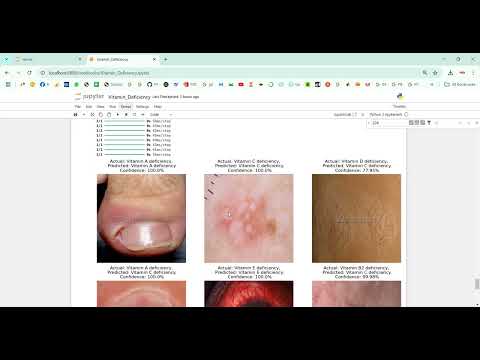
Vitamin Deficiency Detection Using Image Processing in Python Projects
Vitamin Deficiency Detection Using Image Processing in Python Projects
र 1000