AI & ML Models
0.0 (0 reviews) • 0 downloads
Psychological Prediction User Transaction Streamlit in Python Projects
र 1000
Psychological Prediction User Transaction Streamlit in Python Projects
Technical Details
Domain : Python
Database : Sqlite
Tools : Anaconda
Run Tools: VS Code
Database : Sqlite
Tools : Anaconda
Run Tools: VS Code
Secure Payment
Instant Download
GST Invoice
24/7 Support
About This Product
Psychological Prediction User Transaction Streamlit in Python Projects
Abstract
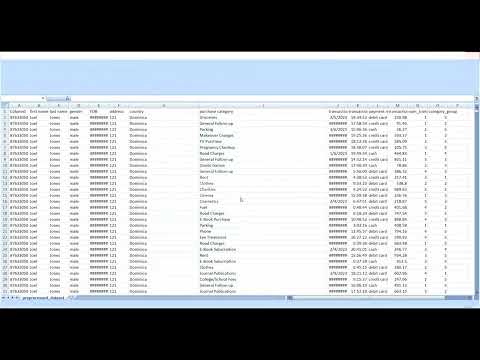
The Psychological Prediction User Transaction Streamlit Project is a Python-based behavioral analytics system designed to predict psychological traits or mental states of users based on their financial transaction patterns. The system uses machine learning techniques to analyze transaction behavior such as spending frequency, purchase categories, financial stability, and risk patterns to infer user characteristics like stress level, financial anxiety, impulsive buying behavior, or emotional spending tendencies. The project integrates data preprocessing, behavioral feature extraction, and ML-based prediction within an interactive Streamlit web application. It uses Python libraries such as Pandas, NumPy, Scikit-learn, Matplotlib, and Streamlit to build and visualize prediction results. This system can assist fintech platforms, mental health researchers, and behavioral economists in identifying early signs of psychological issues related to financial behavior, supporting preventive interventions and responsible financial decision-making.
Existing System
Existing financial transaction systems primarily focus on fraud detection, credit scoring, and transaction categorization but ignore the psychological aspects behind user behavior. Traditional finance platforms do not analyze emotional spending patterns or behavioral indicators that reflect mental states like stress or anxiety. Manual psychological assessments rely on surveys or self-reporting, which are subjective, time-consuming, and prone to user bias. There is no intelligent framework that connects behavioral psychology with financial transactions to generate meaningful psychological insights. As a result, financial institutions and mental wellness platforms lack automated systems to understand the emotional background of user spending habits.
Proposed System
The proposed system introduces a machine learning-based predictive framework that correlates user transaction behavior with psychological traits. Transaction data is processed to extract behavioral features such as spending habits, category preference, average transaction value, risky financial actions, and monthly financial deviation patterns. These behavioral indicators are used as input to classification or regression models such as Random Forest, Logistic Regression, or Support Vector Machine to predict psychological states. The system is deployed as a Streamlit web application, allowing users to upload transaction datasets and receive behavioral psychology predictions with visualization graphs. The model also highlights contributing behavioral features to increase transparency. This intelligent analytics system can support emotional wellness monitoring and behavior-aware financial advisory services by linking transactional behavior with psychological inference.
Abstract
The Psychological Prediction User Transaction Streamlit Project is a Python-based behavioral analytics system designed to predict psychological traits or mental states of users based on their financial transaction patterns. The system uses machine learning techniques to analyze transaction behavior such as spending frequency, purchase categories, financial stability, and risk patterns to infer user characteristics like stress level, financial anxiety, impulsive buying behavior, or emotional spending tendencies. The project integrates data preprocessing, behavioral feature extraction, and ML-based prediction within an interactive Streamlit web application. It uses Python libraries such as Pandas, NumPy, Scikit-learn, Matplotlib, and Streamlit to build and visualize prediction results. This system can assist fintech platforms, mental health researchers, and behavioral economists in identifying early signs of psychological issues related to financial behavior, supporting preventive interventions and responsible financial decision-making.
Existing System
Existing financial transaction systems primarily focus on fraud detection, credit scoring, and transaction categorization but ignore the psychological aspects behind user behavior. Traditional finance platforms do not analyze emotional spending patterns or behavioral indicators that reflect mental states like stress or anxiety. Manual psychological assessments rely on surveys or self-reporting, which are subjective, time-consuming, and prone to user bias. There is no intelligent framework that connects behavioral psychology with financial transactions to generate meaningful psychological insights. As a result, financial institutions and mental wellness platforms lack automated systems to understand the emotional background of user spending habits.
Proposed System
The proposed system introduces a machine learning-based predictive framework that correlates user transaction behavior with psychological traits. Transaction data is processed to extract behavioral features such as spending habits, category preference, average transaction value, risky financial actions, and monthly financial deviation patterns. These behavioral indicators are used as input to classification or regression models such as Random Forest, Logistic Regression, or Support Vector Machine to predict psychological states. The system is deployed as a Streamlit web application, allowing users to upload transaction datasets and receive behavioral psychology predictions with visualization graphs. The model also highlights contributing behavioral features to increase transparency. This intelligent analytics system can support emotional wellness monitoring and behavior-aware financial advisory services by linking transactional behavior with psychological inference.
Customer Reviews (0)
No reviews yet. Be the first!
Related Products
⭐ Featured
AI & ML Models
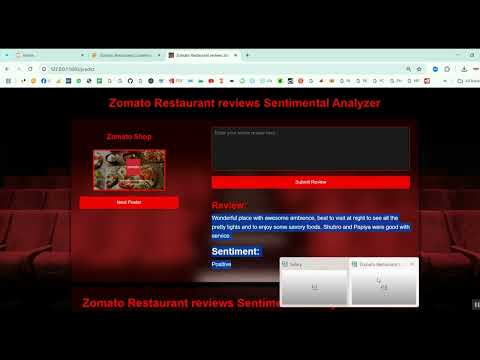
Zomato Restaurant Reviews Sentimental Analyzer in Python Projects
Zomato Restaurant Reviews Sentimental Analyzer in Python Projects
र 1000
⭐ Featured
⭐ Featured
AI & ML Models
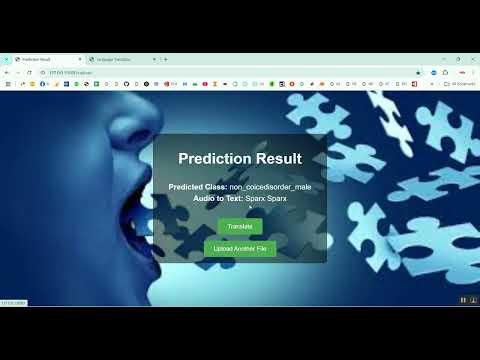
Voice Disorder Prediction using Audio Dataset in Python Projects
Voice Disorder Prediction using Audio Dataset in Python Projects
र 1000
AI & ML Models
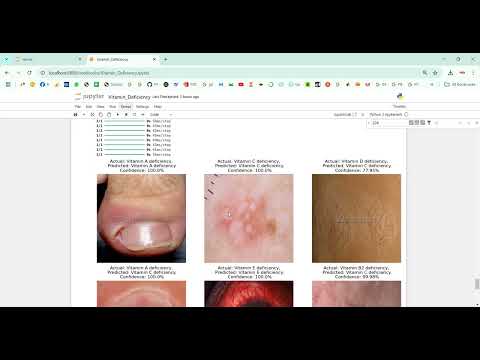
Vitamin Deficiency Detection Using Image Processing in Python Projects
Vitamin Deficiency Detection Using Image Processing in Python Projects
र 1000