AI & ML Models
0.0 (0 reviews) • 0 downloads
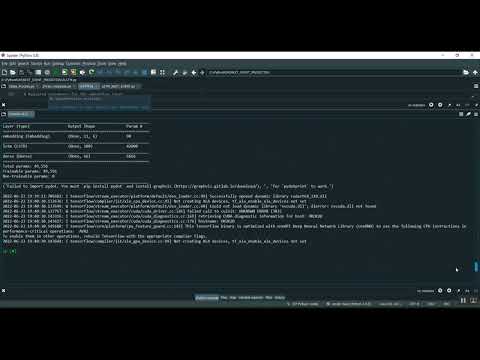
Next Event Prediction in Python Projects
र 1000
Next Event Prediction in Python Projects
Technical Details
Domain : Python
Database : Sqlite
Tools : Anaconda
Run Tools: VS Code
Database : Sqlite
Tools : Anaconda
Run Tools: VS Code
Secure Payment
Instant Download
GST Invoice
24/7 Support
About This Product
Next Event Prediction in Python Projects
Abstract
The Next Event Prediction Project is a Python-based system designed to forecast upcoming events in sequential or time-series data. This project uses machine learning and deep learning techniques, such as Recurrent Neural Networks (RNNs), Long Short-Term Memory (LSTM) networks, or sequence-based models to analyze historical event data and predict future occurrences. It can be applied in various domains, including user activity prediction, event planning, IoT sensor monitoring, and business process management. Python libraries like Pandas, NumPy, Scikit-learn, TensorFlow, and Keras are used for data preprocessing, model training, evaluation, and visualization. By predicting the next probable event, the system enables proactive decision-making, resource allocation, and optimization of workflows across multiple applications.
Existing System
Existing event prediction methods often rely on simple statistical models or manual analysis of historical data, which lack accuracy in capturing complex temporal patterns. Traditional systems such as linear regression or Markov chains cannot efficiently model long-term dependencies or non-linear sequences. Additionally, manual monitoring and prediction are time-consuming, error-prone, and unsuitable for dynamic or high-volume datasets. These limitations reduce the effectiveness of conventional systems in scenarios where accurate and timely event forecasting is critical.
Proposed System
The proposed Next Event Prediction system introduces a machine learning and deep learning-based framework for accurate sequence prediction. Historical event data is preprocessed using techniques such as normalization, missing value handling, and sequence formatting. The processed sequences are fed into models like LSTM or BiLSTM, which capture both short-term and long-term dependencies in temporal data. The system outputs predictions for the next likely event along with associated probabilities or confidence scores. Python libraries such as TensorFlow/Keras handle model construction and training, while Pandas and NumPy manage data operations. Visualization tools like Matplotlib and Seaborn display patterns, prediction trends, and model evaluation metrics. This approach enables accurate, automated, and scalable forecasting of sequential events, supporting applications in business analytics, IoT monitoring, user behavior analysis, and process optimization.
Abstract
The Next Event Prediction Project is a Python-based system designed to forecast upcoming events in sequential or time-series data. This project uses machine learning and deep learning techniques, such as Recurrent Neural Networks (RNNs), Long Short-Term Memory (LSTM) networks, or sequence-based models to analyze historical event data and predict future occurrences. It can be applied in various domains, including user activity prediction, event planning, IoT sensor monitoring, and business process management. Python libraries like Pandas, NumPy, Scikit-learn, TensorFlow, and Keras are used for data preprocessing, model training, evaluation, and visualization. By predicting the next probable event, the system enables proactive decision-making, resource allocation, and optimization of workflows across multiple applications.
Existing System
Existing event prediction methods often rely on simple statistical models or manual analysis of historical data, which lack accuracy in capturing complex temporal patterns. Traditional systems such as linear regression or Markov chains cannot efficiently model long-term dependencies or non-linear sequences. Additionally, manual monitoring and prediction are time-consuming, error-prone, and unsuitable for dynamic or high-volume datasets. These limitations reduce the effectiveness of conventional systems in scenarios where accurate and timely event forecasting is critical.
Proposed System
The proposed Next Event Prediction system introduces a machine learning and deep learning-based framework for accurate sequence prediction. Historical event data is preprocessed using techniques such as normalization, missing value handling, and sequence formatting. The processed sequences are fed into models like LSTM or BiLSTM, which capture both short-term and long-term dependencies in temporal data. The system outputs predictions for the next likely event along with associated probabilities or confidence scores. Python libraries such as TensorFlow/Keras handle model construction and training, while Pandas and NumPy manage data operations. Visualization tools like Matplotlib and Seaborn display patterns, prediction trends, and model evaluation metrics. This approach enables accurate, automated, and scalable forecasting of sequential events, supporting applications in business analytics, IoT monitoring, user behavior analysis, and process optimization.
Customer Reviews (0)
No reviews yet. Be the first!
Related Products
⭐ Featured
AI & ML Models
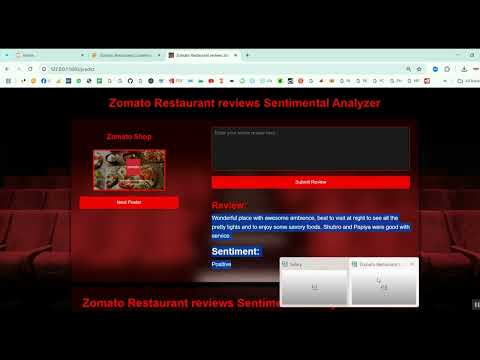
Zomato Restaurant Reviews Sentimental Analyzer in Python Projects
Zomato Restaurant Reviews Sentimental Analyzer in Python Projects
र 1000
⭐ Featured
⭐ Featured
AI & ML Models
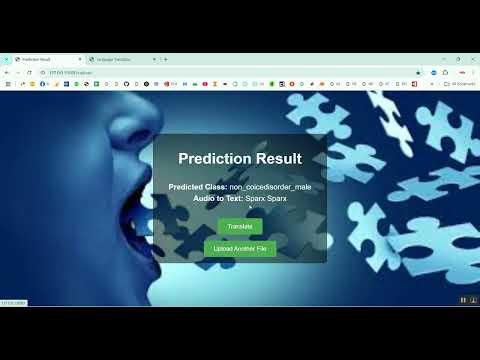
Voice Disorder Prediction using Audio Dataset in Python Projects
Voice Disorder Prediction using Audio Dataset in Python Projects
र 1000
AI & ML Models
Vitamin Deficiency Detection Using Image Processing in Python Projects
Vitamin Deficiency Detection Using Image Processing in Python Projects
र 1000