AI & ML Models
0.0 (0 reviews) • 0 downloads
Lung Smoking Automated Stage Prediction Streamlit in Python Projects
र 1000
Lung Smoking Automated Stage Prediction Streamlit in Python Projects
Technical Details
Domain : Python
Database : Sqlite
Tools : Anaconda
Run Tools: VS Code
Database : Sqlite
Tools : Anaconda
Run Tools: VS Code
Secure Payment
Instant Download
GST Invoice
24/7 Support
About This Product
Lung Smoking Automated Stage Prediction Streamlit in Python Projects
Abstract
The project “Lung Smoking Automated Stage Prediction Streamlit in Python” focuses on developing an intelligent system capable of predicting the stages of lung damage or lung cancer influenced by smoking habits using machine learning and deep learning techniques. Smoking is one of the primary causes of chronic lung diseases and cancer, and early-stage prediction can help in better medical diagnosis and prevention. The proposed system collects patient health parameters such as age, smoking frequency, lung capacity, and medical scan data to predict the stage of lung disease. The model is trained using supervised learning algorithms and is integrated into a Streamlit web application for real-time analysis. Python serves as the development platform, utilizing libraries like TensorFlow, Scikit-learn, Pandas, and Matplotlib for model development and visualization. This project provides an accessible, user-friendly solution for early detection and monitoring of lung conditions caused by smoking.
Existing System
Existing systems for lung disease or cancer diagnosis are primarily dependent on manual medical examination and radiological analysis. These methods are time-consuming and often fail to detect the early stages of smoking-related lung issues. Traditional computer-aided diagnostic tools rely on static algorithms that lack adaptability and predictive intelligence. Many systems do not consider behavioral or lifestyle data such as smoking frequency and duration, leading to incomplete diagnostic predictions. Moreover, existing models lack real-time deployment interfaces, making them less practical for everyday medical or personal use. This results in delayed detection and reduced treatment effectiveness for patients at risk.
Proposed System
The proposed system introduces an automated lung stage prediction model that integrates machine learning and deep learning methods to analyze both medical and lifestyle data. The model is trained using datasets containing patient attributes such as smoking history, respiratory measurements, and imaging data. Algorithms such as Random Forest, Gradient Boosting, or Convolutional Neural Networks (CNN) are used to classify the lung condition into stages such as mild, moderate, or severe. The trained model is deployed using Streamlit, providing a clean, interactive web interface where users can input data and view predictions instantly. Python libraries like TensorFlow for model training, Pandas for data handling, and Plotly for visualization are utilized to ensure performance and clarity. This automated system helps doctors and researchers detect lung abnormalities early and evaluate the impact of smoking, thus supporting preventive healthcare strategies.
Abstract
The project “Lung Smoking Automated Stage Prediction Streamlit in Python” focuses on developing an intelligent system capable of predicting the stages of lung damage or lung cancer influenced by smoking habits using machine learning and deep learning techniques. Smoking is one of the primary causes of chronic lung diseases and cancer, and early-stage prediction can help in better medical diagnosis and prevention. The proposed system collects patient health parameters such as age, smoking frequency, lung capacity, and medical scan data to predict the stage of lung disease. The model is trained using supervised learning algorithms and is integrated into a Streamlit web application for real-time analysis. Python serves as the development platform, utilizing libraries like TensorFlow, Scikit-learn, Pandas, and Matplotlib for model development and visualization. This project provides an accessible, user-friendly solution for early detection and monitoring of lung conditions caused by smoking.
Existing System
Existing systems for lung disease or cancer diagnosis are primarily dependent on manual medical examination and radiological analysis. These methods are time-consuming and often fail to detect the early stages of smoking-related lung issues. Traditional computer-aided diagnostic tools rely on static algorithms that lack adaptability and predictive intelligence. Many systems do not consider behavioral or lifestyle data such as smoking frequency and duration, leading to incomplete diagnostic predictions. Moreover, existing models lack real-time deployment interfaces, making them less practical for everyday medical or personal use. This results in delayed detection and reduced treatment effectiveness for patients at risk.
Proposed System
The proposed system introduces an automated lung stage prediction model that integrates machine learning and deep learning methods to analyze both medical and lifestyle data. The model is trained using datasets containing patient attributes such as smoking history, respiratory measurements, and imaging data. Algorithms such as Random Forest, Gradient Boosting, or Convolutional Neural Networks (CNN) are used to classify the lung condition into stages such as mild, moderate, or severe. The trained model is deployed using Streamlit, providing a clean, interactive web interface where users can input data and view predictions instantly. Python libraries like TensorFlow for model training, Pandas for data handling, and Plotly for visualization are utilized to ensure performance and clarity. This automated system helps doctors and researchers detect lung abnormalities early and evaluate the impact of smoking, thus supporting preventive healthcare strategies.
Customer Reviews (0)
No reviews yet. Be the first!
Related Products
⭐ Featured
AI & ML Models
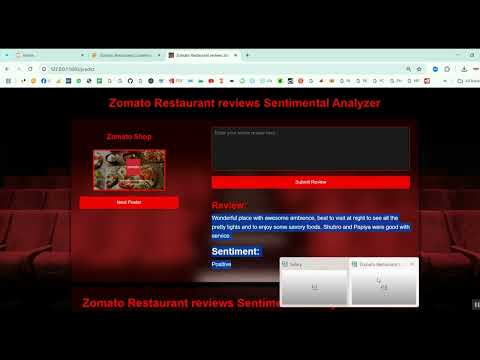
Zomato Restaurant Reviews Sentimental Analyzer in Python Projects
Zomato Restaurant Reviews Sentimental Analyzer in Python Projects
र 1000
⭐ Featured
⭐ Featured
AI & ML Models
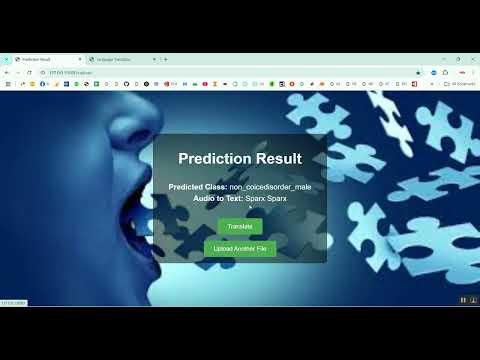
Voice Disorder Prediction using Audio Dataset in Python Projects
Voice Disorder Prediction using Audio Dataset in Python Projects
र 1000
AI & ML Models
Vitamin Deficiency Detection Using Image Processing in Python Projects
Vitamin Deficiency Detection Using Image Processing in Python Projects
र 1000