AI & ML Models
0.0 (0 reviews) • 0 downloads
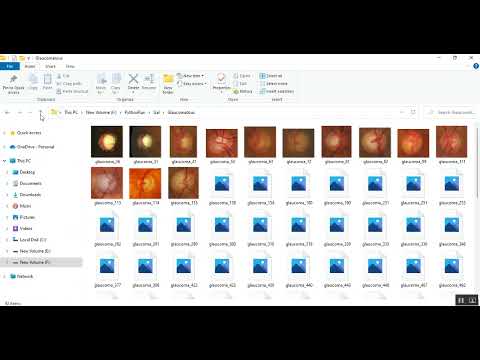
Glaucoma Disease Prediction Image Classification Streamlit in Python Projects
र 1000
Glaucoma Disease Prediction Image Classification Streamlit in Python Projects
Technical Details
Domain : Python
Database : Sqlite
Tools : Anaconda
Run Tools: VS Code
Database : Sqlite
Tools : Anaconda
Run Tools: VS Code
Secure Payment
Instant Download
GST Invoice
24/7 Support
About This Product
Glaucoma Disease Prediction Image Classification Streamlit in Python Projects
Abstract
Glaucoma is a serious eye disease that can lead to irreversible vision loss if not detected early. This project focuses on developing a Python-based Glaucoma Disease Prediction system using image classification techniques and deployed via a Streamlit web application. The system analyzes retinal fundus images to identify signs of glaucoma by detecting abnormalities in the optic nerve and surrounding structures. Implemented using Python libraries such as TensorFlow/Keras, OpenCV, NumPy, and Streamlit, the CNN-based model extracts key visual features from eye images and classifies them into glaucomatous or healthy categories. The application provides an interactive platform for uploading images, performing predictions, and visualizing results, enabling early diagnosis and supporting ophthalmologists in clinical decision-making.
Existing System
Traditional glaucoma detection methods rely on manual examination of retinal images by ophthalmologists or using basic diagnostic tools such as tonometry and visual field tests. While effective, these methods are time-consuming, subjective, and require specialized expertise. Some existing digital systems use basic image processing or thresholding techniques to identify glaucomatous changes but often fail to achieve high accuracy due to variability in image quality, lighting conditions, and anatomical differences. Additionally, many conventional systems lack interactive interfaces for real-time automated diagnosis and patient-friendly applications.
Proposed System
The proposed system introduces a CNN-based image classification framework integrated with a Streamlit interface for glaucoma prediction. Retinal fundus images are preprocessed through resizing, normalization, and data augmentation to improve model accuracy and generalization. The CNN architecture extracts hierarchical features from the images, such as optic cup-to-disc ratio, nerve fiber layer patterns, and texture variations, to classify images as glaucomatous or normal. The Streamlit application allows users to upload retinal images, initiate predictions, and visualize results with confidence scores. Python libraries such as TensorFlow/Keras for deep learning, OpenCV for image preprocessing, NumPy for numerical operations, and Streamlit for web deployment are utilized. By combining deep learning, automated image analysis, and a user-friendly interface, the system provides an accurate, scalable, and non-invasive solution for early glaucoma detection and healthcare support.
Abstract
Glaucoma is a serious eye disease that can lead to irreversible vision loss if not detected early. This project focuses on developing a Python-based Glaucoma Disease Prediction system using image classification techniques and deployed via a Streamlit web application. The system analyzes retinal fundus images to identify signs of glaucoma by detecting abnormalities in the optic nerve and surrounding structures. Implemented using Python libraries such as TensorFlow/Keras, OpenCV, NumPy, and Streamlit, the CNN-based model extracts key visual features from eye images and classifies them into glaucomatous or healthy categories. The application provides an interactive platform for uploading images, performing predictions, and visualizing results, enabling early diagnosis and supporting ophthalmologists in clinical decision-making.
Existing System
Traditional glaucoma detection methods rely on manual examination of retinal images by ophthalmologists or using basic diagnostic tools such as tonometry and visual field tests. While effective, these methods are time-consuming, subjective, and require specialized expertise. Some existing digital systems use basic image processing or thresholding techniques to identify glaucomatous changes but often fail to achieve high accuracy due to variability in image quality, lighting conditions, and anatomical differences. Additionally, many conventional systems lack interactive interfaces for real-time automated diagnosis and patient-friendly applications.
Proposed System
The proposed system introduces a CNN-based image classification framework integrated with a Streamlit interface for glaucoma prediction. Retinal fundus images are preprocessed through resizing, normalization, and data augmentation to improve model accuracy and generalization. The CNN architecture extracts hierarchical features from the images, such as optic cup-to-disc ratio, nerve fiber layer patterns, and texture variations, to classify images as glaucomatous or normal. The Streamlit application allows users to upload retinal images, initiate predictions, and visualize results with confidence scores. Python libraries such as TensorFlow/Keras for deep learning, OpenCV for image preprocessing, NumPy for numerical operations, and Streamlit for web deployment are utilized. By combining deep learning, automated image analysis, and a user-friendly interface, the system provides an accurate, scalable, and non-invasive solution for early glaucoma detection and healthcare support.
Customer Reviews (0)
No reviews yet. Be the first!
Related Products
⭐ Featured
AI & ML Models
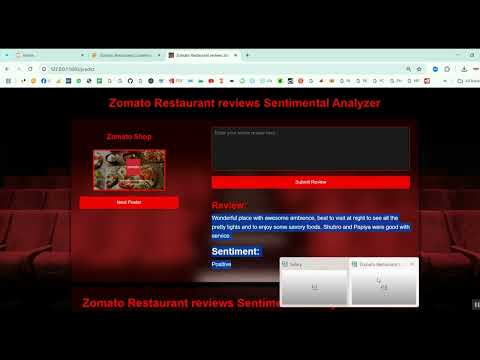
Zomato Restaurant Reviews Sentimental Analyzer in Python Projects
Zomato Restaurant Reviews Sentimental Analyzer in Python Projects
र 1000
⭐ Featured
⭐ Featured
AI & ML Models
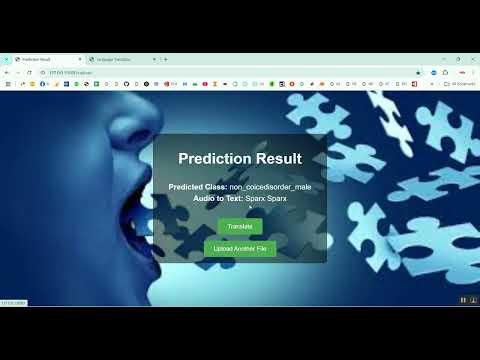
Voice Disorder Prediction using Audio Dataset in Python Projects
Voice Disorder Prediction using Audio Dataset in Python Projects
र 1000
AI & ML Models
Vitamin Deficiency Detection Using Image Processing in Python Projects
Vitamin Deficiency Detection Using Image Processing in Python Projects
र 1000