AI & ML Models
0.0 (0 reviews) • 0 downloads
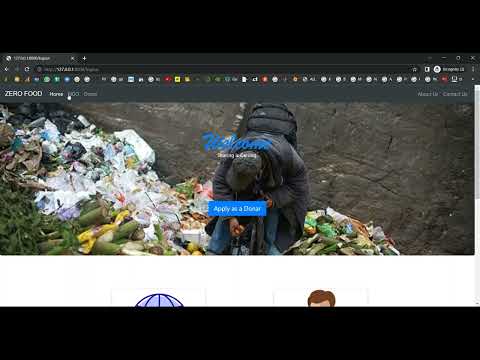
Food Waste Management using Food Donation Django App in Python Projects
र 1000
Food Waste Management using Food Donation Django App in Python Projects
Technical Details
Domain : Python
Database : Sqlite
Tools : Anaconda
Run Tools: VS Code
Database : Sqlite
Tools : Anaconda
Run Tools: VS Code
Secure Payment
Instant Download
GST Invoice
24/7 Support
About This Product
Food Waste Management using Food Donation Django App in Python Projects
Abstract
Food waste is a growing global issue that contributes to hunger, resource loss, and environmental degradation. This project focuses on developing a Python-based Food Waste Management system using a Django web application to minimize food wastage through effective food donation management. The system connects food donors, such as restaurants, hotels, and households, with nearby NGOs and individuals in need. Implemented using Django, HTML, CSS, and SQLite, the platform allows donors to register surplus food, track donations, and receive updates on food collection. The project aims to promote social responsibility, reduce waste, and create a transparent digital network for food redistribution using an efficient and user-friendly interface.
Existing System
In the existing system, food donation and redistribution rely on manual coordination between donors and charitable organizations. Communication often occurs through phone calls, social media, or local networks, leading to delays and inefficiencies. Many potential food donations go unutilized due to a lack of structured systems or platforms to manage logistics and real-time tracking. Existing solutions, if available, are limited in scalability, transparency, and accessibility for smaller donors. Additionally, traditional methods do not maintain systematic records of donations, leading to poor traceability and accountability.
Proposed System
The proposed system introduces a web-based Django application that automates the process of food donation and management. Donors can log into the platform, enter details about surplus food (such as type, quantity, and freshness), and make it available for pickup. NGOs or volunteers can view available donations in real time and claim items based on location and need. The system maintains an integrated database for tracking donors, donations, and receivers, ensuring transparency and accountability. Admins can oversee operations, verify donations, and manage users efficiently. The application uses Django for backend management, HTML and CSS for the frontend, and SQLite or MySQL as the database. Python modules such as Pandas and NumPy can also be used for analytical insights into donation trends and waste reduction. By digitalizing the food donation process, the system reduces wastage, promotes community welfare, and builds an efficient network to support sustainable food redistribution.
Abstract
Food waste is a growing global issue that contributes to hunger, resource loss, and environmental degradation. This project focuses on developing a Python-based Food Waste Management system using a Django web application to minimize food wastage through effective food donation management. The system connects food donors, such as restaurants, hotels, and households, with nearby NGOs and individuals in need. Implemented using Django, HTML, CSS, and SQLite, the platform allows donors to register surplus food, track donations, and receive updates on food collection. The project aims to promote social responsibility, reduce waste, and create a transparent digital network for food redistribution using an efficient and user-friendly interface.
Existing System
In the existing system, food donation and redistribution rely on manual coordination between donors and charitable organizations. Communication often occurs through phone calls, social media, or local networks, leading to delays and inefficiencies. Many potential food donations go unutilized due to a lack of structured systems or platforms to manage logistics and real-time tracking. Existing solutions, if available, are limited in scalability, transparency, and accessibility for smaller donors. Additionally, traditional methods do not maintain systematic records of donations, leading to poor traceability and accountability.
Proposed System
The proposed system introduces a web-based Django application that automates the process of food donation and management. Donors can log into the platform, enter details about surplus food (such as type, quantity, and freshness), and make it available for pickup. NGOs or volunteers can view available donations in real time and claim items based on location and need. The system maintains an integrated database for tracking donors, donations, and receivers, ensuring transparency and accountability. Admins can oversee operations, verify donations, and manage users efficiently. The application uses Django for backend management, HTML and CSS for the frontend, and SQLite or MySQL as the database. Python modules such as Pandas and NumPy can also be used for analytical insights into donation trends and waste reduction. By digitalizing the food donation process, the system reduces wastage, promotes community welfare, and builds an efficient network to support sustainable food redistribution.
Customer Reviews (0)
No reviews yet. Be the first!
Related Products
⭐ Featured
AI & ML Models
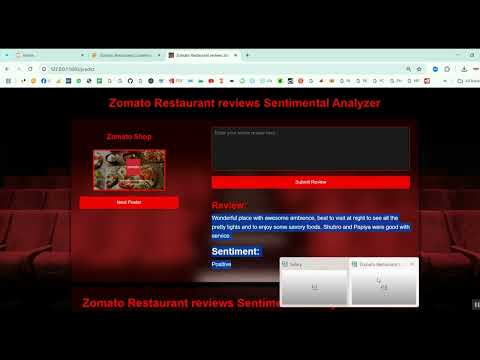
Zomato Restaurant Reviews Sentimental Analyzer in Python Projects
Zomato Restaurant Reviews Sentimental Analyzer in Python Projects
र 1000
⭐ Featured
⭐ Featured
AI & ML Models
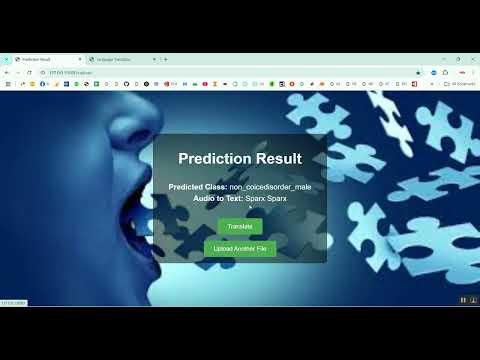
Voice Disorder Prediction using Audio Dataset in Python Projects
Voice Disorder Prediction using Audio Dataset in Python Projects
र 1000
AI & ML Models
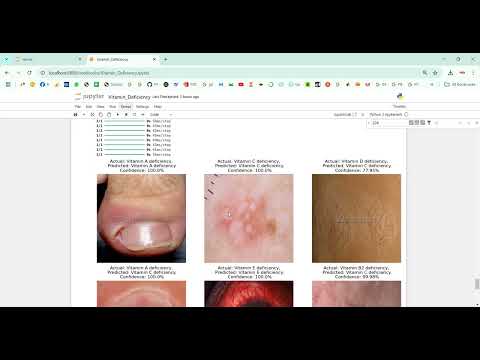
Vitamin Deficiency Detection Using Image Processing in Python Projects
Vitamin Deficiency Detection Using Image Processing in Python Projects
र 1000