AI & ML Models
0.0 (0 reviews) • 0 downloads
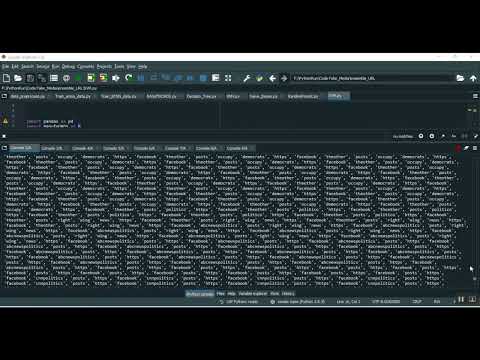
Fake Media Detection ML Classification in Python Projects
र 1000
Fake Media Detection ML Classification in Python Projects
Technical Details
Domain : Python
Database : Sqlite
Tools : Anaconda
Run Tools: VS Code
Database : Sqlite
Tools : Anaconda
Run Tools: VS Code
Secure Payment
Instant Download
GST Invoice
24/7 Support
About This Product
Fake Media Detection ML Classification in Python Projects
Abstract
The rise of manipulated images, videos, and audio—commonly referred to as fake media—has become a serious threat to information integrity, digital security, and social trust. This project presents a Python-based system for Fake Media Detection using machine learning classification techniques. The system aims to automatically identify forged or tampered media content by analyzing visual and audio patterns, metadata inconsistencies, and artifacts left by editing or generative AI techniques such as deepfakes. The pipeline leverages preprocessing, feature extraction, and supervised ML classifiers to categorize media as authentic or fake. Implemented with libraries such as OpenCV, Librosa, Scikit-learn, and TensorFlow/Keras, the solution provides an efficient and scalable approach for verifying media authenticity in real time.
Existing System
Existing approaches to fake media detection often rely on manual inspection or basic forensic techniques such as metadata analysis, error-level analysis, or frequency-domain checks. While these methods can detect some forgeries, they are ineffective against modern synthetic media generated by advanced deep learning models like GANs or deepfake frameworks. Many current detection tools are specialized for a single media type (only images, only video, or only audio), limiting their ability to provide holistic analysis. Additionally, these systems frequently lack automation, robustness to noise and compression, and adaptability to evolving forgery techniques—reducing their reliability in real-world social media and security scenarios.
Proposed System
The proposed system introduces a Python-based Fake Media Detection framework that integrates machine learning classification across multiple media types. Input media undergoes preprocessing—image resizing and filtering for visuals, spectrogram generation for audio, and frame extraction for videos. Feature extraction methods identify anomalies such as unnatural facial movements, inconsistent textures, mismatched lighting, irregular pitch or waveform patterns, and metadata manipulation. These features are used to train ML classifiers such as Support Vector Machines (SVM), Random Forests, or deep learning models like CNNs and LSTMs for temporal video/audio analysis. The classifier outputs a probability score indicating whether the content is genuine or manipulated. The system can be extended with ensemble learning for higher accuracy and deployed with a user-friendly interface using Streamlit or Flask. By combining multi-modal analysis with scalable ML models, this project offers a powerful solution to combat misinformation, safeguard authenticity, and strengthen digital media trust.
Abstract
The rise of manipulated images, videos, and audio—commonly referred to as fake media—has become a serious threat to information integrity, digital security, and social trust. This project presents a Python-based system for Fake Media Detection using machine learning classification techniques. The system aims to automatically identify forged or tampered media content by analyzing visual and audio patterns, metadata inconsistencies, and artifacts left by editing or generative AI techniques such as deepfakes. The pipeline leverages preprocessing, feature extraction, and supervised ML classifiers to categorize media as authentic or fake. Implemented with libraries such as OpenCV, Librosa, Scikit-learn, and TensorFlow/Keras, the solution provides an efficient and scalable approach for verifying media authenticity in real time.
Existing System
Existing approaches to fake media detection often rely on manual inspection or basic forensic techniques such as metadata analysis, error-level analysis, or frequency-domain checks. While these methods can detect some forgeries, they are ineffective against modern synthetic media generated by advanced deep learning models like GANs or deepfake frameworks. Many current detection tools are specialized for a single media type (only images, only video, or only audio), limiting their ability to provide holistic analysis. Additionally, these systems frequently lack automation, robustness to noise and compression, and adaptability to evolving forgery techniques—reducing their reliability in real-world social media and security scenarios.
Proposed System
The proposed system introduces a Python-based Fake Media Detection framework that integrates machine learning classification across multiple media types. Input media undergoes preprocessing—image resizing and filtering for visuals, spectrogram generation for audio, and frame extraction for videos. Feature extraction methods identify anomalies such as unnatural facial movements, inconsistent textures, mismatched lighting, irregular pitch or waveform patterns, and metadata manipulation. These features are used to train ML classifiers such as Support Vector Machines (SVM), Random Forests, or deep learning models like CNNs and LSTMs for temporal video/audio analysis. The classifier outputs a probability score indicating whether the content is genuine or manipulated. The system can be extended with ensemble learning for higher accuracy and deployed with a user-friendly interface using Streamlit or Flask. By combining multi-modal analysis with scalable ML models, this project offers a powerful solution to combat misinformation, safeguard authenticity, and strengthen digital media trust.
Customer Reviews (0)
No reviews yet. Be the first!
Related Products
⭐ Featured
AI & ML Models
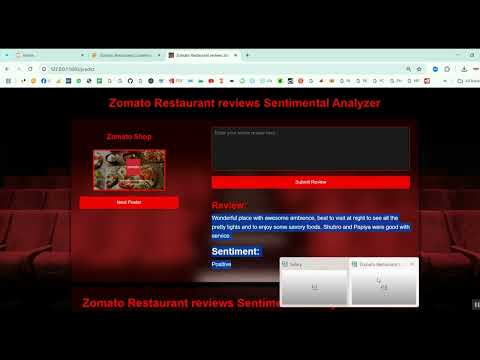
Zomato Restaurant Reviews Sentimental Analyzer in Python Projects
Zomato Restaurant Reviews Sentimental Analyzer in Python Projects
र 1000
⭐ Featured
⭐ Featured

AI & ML Models
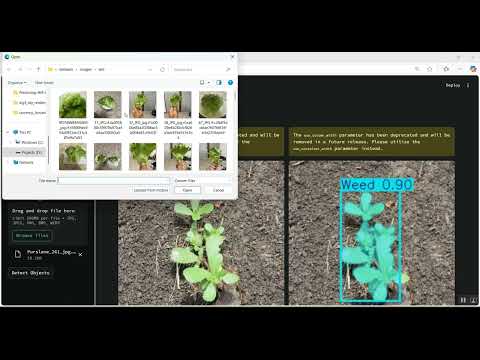
Voice Disorder Prediction using Audio Dataset in Python Projects
Voice Disorder Prediction using Audio Dataset in Python Projects
र 1000
AI & ML Models
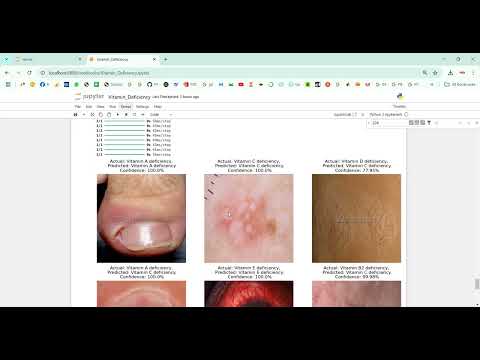
Vitamin Deficiency Detection Using Image Processing in Python Projects
Vitamin Deficiency Detection Using Image Processing in Python Projects
र 1000