AI & ML Models
0.0 (0 reviews) • 0 downloads
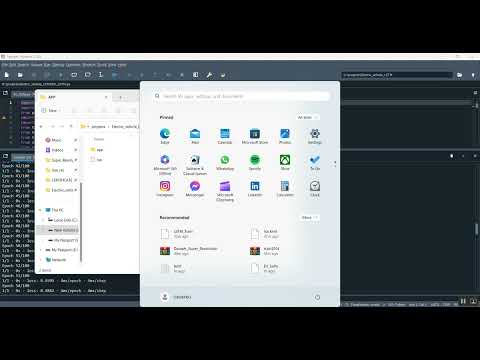
Electric Vehicle LSTM Train in Python Projects
र 1000
Electric Vehicle LSTM Train in Python Projects
Technical Details
Domain : Python
Database : Sqlite
Tools : Anaconda
Run Tools: VS Code
Database : Sqlite
Tools : Anaconda
Run Tools: VS Code
Secure Payment
Instant Download
GST Invoice
24/7 Support
About This Product
Electric Vehicle LSTM Train in Python Projects
Abstract
The project “Electric Vehicle LSTM Train in Python” focuses on predicting key performance metrics and behavior of electric vehicles (EVs) using Long Short-Term Memory (LSTM) networks, a type of recurrent neural network suitable for time-series data. EV performance parameters such as battery charge/discharge cycles, energy consumption, speed patterns, and driving behavior are collected as sequential data. LSTM networks are trained to predict future states, including battery life estimation, range prediction, and load management, enabling optimized energy utilization and vehicle performance. Python libraries such as NumPy, Pandas, TensorFlow/Keras, and Matplotlib are used for data preprocessing, model training, and visualization. The system demonstrates how deep learning can enhance smart electric vehicle management and predictive maintenance.
Existing System
Traditional EV monitoring systems rely on static models, sensors, or rule-based algorithms to estimate battery life and vehicle performance. While effective for basic monitoring, these methods cannot capture temporal dependencies in sequential EV data, such as driving patterns or energy consumption trends. Most existing solutions provide short-term predictions and are not suitable for long-term battery health forecasting or intelligent route and load management. Additionally, few systems integrate deep learning techniques to handle the complexity of EV operational data.
Proposed System
The proposed system introduces a Python-based LSTM model for EV performance prediction. Sequential EV data, including battery charge, speed, and energy consumption, are preprocessed and normalized. The LSTM network learns temporal patterns and dependencies in this sequential data to predict future battery states, driving range, and energy efficiency. The model can be deployed as a Python application or web app to provide real-time analytics for EV operators. The system can also generate visual dashboards for predicted vs actual performance, battery health trends, and energy optimization suggestions. By leveraging LSTM’s ability to model time-series data, the system ensures accurate, predictive, and scalable solutions for electric vehicle management.
Abstract
The project “Electric Vehicle LSTM Train in Python” focuses on predicting key performance metrics and behavior of electric vehicles (EVs) using Long Short-Term Memory (LSTM) networks, a type of recurrent neural network suitable for time-series data. EV performance parameters such as battery charge/discharge cycles, energy consumption, speed patterns, and driving behavior are collected as sequential data. LSTM networks are trained to predict future states, including battery life estimation, range prediction, and load management, enabling optimized energy utilization and vehicle performance. Python libraries such as NumPy, Pandas, TensorFlow/Keras, and Matplotlib are used for data preprocessing, model training, and visualization. The system demonstrates how deep learning can enhance smart electric vehicle management and predictive maintenance.
Existing System
Traditional EV monitoring systems rely on static models, sensors, or rule-based algorithms to estimate battery life and vehicle performance. While effective for basic monitoring, these methods cannot capture temporal dependencies in sequential EV data, such as driving patterns or energy consumption trends. Most existing solutions provide short-term predictions and are not suitable for long-term battery health forecasting or intelligent route and load management. Additionally, few systems integrate deep learning techniques to handle the complexity of EV operational data.
Proposed System
The proposed system introduces a Python-based LSTM model for EV performance prediction. Sequential EV data, including battery charge, speed, and energy consumption, are preprocessed and normalized. The LSTM network learns temporal patterns and dependencies in this sequential data to predict future battery states, driving range, and energy efficiency. The model can be deployed as a Python application or web app to provide real-time analytics for EV operators. The system can also generate visual dashboards for predicted vs actual performance, battery health trends, and energy optimization suggestions. By leveraging LSTM’s ability to model time-series data, the system ensures accurate, predictive, and scalable solutions for electric vehicle management.
Customer Reviews (0)
No reviews yet. Be the first!
Related Products
⭐ Featured
AI & ML Models
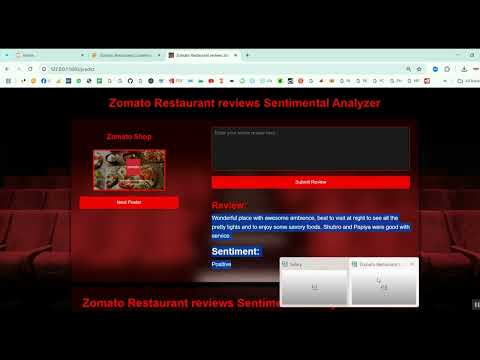
Zomato Restaurant Reviews Sentimental Analyzer in Python Projects
Zomato Restaurant Reviews Sentimental Analyzer in Python Projects
र 1000
⭐ Featured
⭐ Featured
AI & ML Models
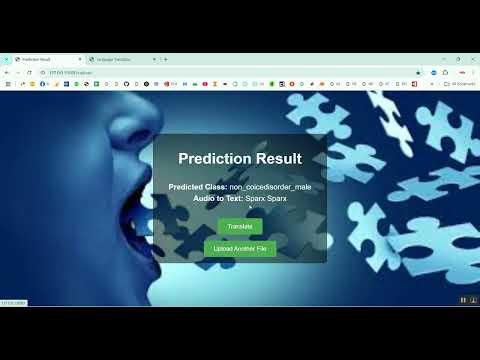
Voice Disorder Prediction using Audio Dataset in Python Projects
Voice Disorder Prediction using Audio Dataset in Python Projects
र 1000

AI & ML Models
Vitamin Deficiency Detection Using Image Processing in Python Projects
Vitamin Deficiency Detection Using Image Processing in Python Projects
र 1000