AI & ML Models
0.0 (0 reviews) • 0 downloads
EHR With Disease Prediction in Python Projects
र 1000
EHR With Disease Prediction in Python Projects
Technical Details
Domain : Python
Database : Sqlite
Tools : Anaconda
Run Tools: VS Code
Database : Sqlite
Tools : Anaconda
Run Tools: VS Code
Secure Payment
Instant Download
GST Invoice
24/7 Support
About This Product
EHR With Disease Prediction in Python Projects
Abstract
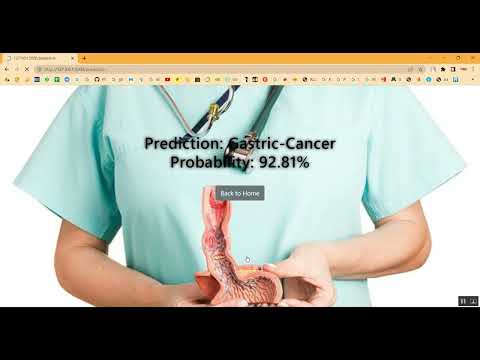
The project “EHR with Disease Prediction in Python” focuses on predicting potential diseases using Electronic Health Records (EHRs) and machine learning techniques. EHRs contain patient-specific information such as demographics, medical history, lab reports, symptoms, and lifestyle data, which can be used to detect early signs of various diseases. The system leverages Python libraries like Pandas, NumPy, Scikit-learn, and TensorFlow/Keras for data preprocessing, feature extraction, and model training. Machine learning algorithms such as Decision Trees, Random Forest, Support Vector Machines (SVM), and Neural Networks classify patient data to predict the likelihood of diseases such as diabetes, heart disease, kidney disease, or cancer. The project provides a data-driven decision support system to assist healthcare professionals in early diagnosis and preventive care.
Existing System
Current disease prediction and healthcare systems often rely on manual diagnosis, paper-based records, and physician assessments, which can be time-consuming, error-prone, and inconsistent. Some EHR systems exist, but they primarily function as data repositories without intelligent prediction capabilities. Existing predictive models may analyze individual diseases but often lack integration across multiple diseases, and many do not provide an interactive, Python-based platform for healthcare professionals to input patient data and obtain real-time predictions.
Proposed System
The proposed system introduces a Python-based EHR disease prediction framework that automates the detection of multiple diseases. The system preprocesses EHR data to handle missing values, categorical encoding, normalization, and feature selection. Machine learning classifiers such as Random Forest, Decision Tree, SVM, or Neural Networks are trained on historical patient data to predict potential disease risks. The model can be deployed as a Flask or Streamlit web application, allowing healthcare professionals to input patient records and receive predictions with probability scores and recommended next steps. Additional features include visualizations of patient risk factors, historical trends, and automated report generation. This system ensures accurate, scalable, and real-time disease prediction, supporting preventive care and informed clinical decision-making.
Abstract
The project “EHR with Disease Prediction in Python” focuses on predicting potential diseases using Electronic Health Records (EHRs) and machine learning techniques. EHRs contain patient-specific information such as demographics, medical history, lab reports, symptoms, and lifestyle data, which can be used to detect early signs of various diseases. The system leverages Python libraries like Pandas, NumPy, Scikit-learn, and TensorFlow/Keras for data preprocessing, feature extraction, and model training. Machine learning algorithms such as Decision Trees, Random Forest, Support Vector Machines (SVM), and Neural Networks classify patient data to predict the likelihood of diseases such as diabetes, heart disease, kidney disease, or cancer. The project provides a data-driven decision support system to assist healthcare professionals in early diagnosis and preventive care.
Existing System
Current disease prediction and healthcare systems often rely on manual diagnosis, paper-based records, and physician assessments, which can be time-consuming, error-prone, and inconsistent. Some EHR systems exist, but they primarily function as data repositories without intelligent prediction capabilities. Existing predictive models may analyze individual diseases but often lack integration across multiple diseases, and many do not provide an interactive, Python-based platform for healthcare professionals to input patient data and obtain real-time predictions.
Proposed System
The proposed system introduces a Python-based EHR disease prediction framework that automates the detection of multiple diseases. The system preprocesses EHR data to handle missing values, categorical encoding, normalization, and feature selection. Machine learning classifiers such as Random Forest, Decision Tree, SVM, or Neural Networks are trained on historical patient data to predict potential disease risks. The model can be deployed as a Flask or Streamlit web application, allowing healthcare professionals to input patient records and receive predictions with probability scores and recommended next steps. Additional features include visualizations of patient risk factors, historical trends, and automated report generation. This system ensures accurate, scalable, and real-time disease prediction, supporting preventive care and informed clinical decision-making.
Customer Reviews (0)
No reviews yet. Be the first!
Related Products
⭐ Featured
AI & ML Models
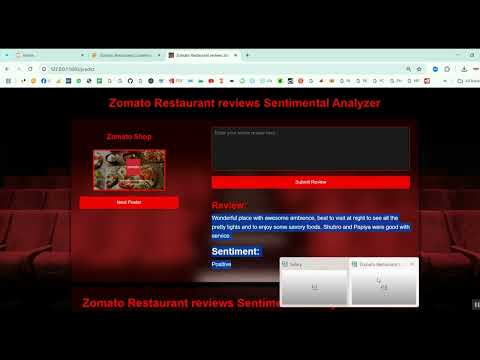
Zomato Restaurant Reviews Sentimental Analyzer in Python Projects
Zomato Restaurant Reviews Sentimental Analyzer in Python Projects
र 1000
⭐ Featured
⭐ Featured
AI & ML Models
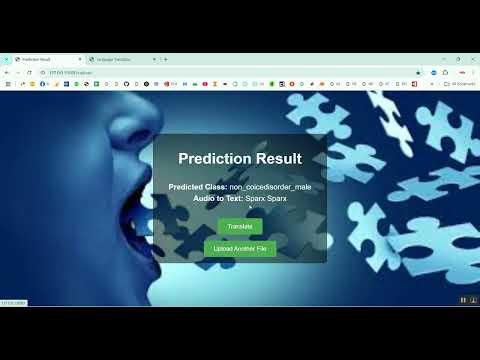
Voice Disorder Prediction using Audio Dataset in Python Projects
Voice Disorder Prediction using Audio Dataset in Python Projects
र 1000
AI & ML Models
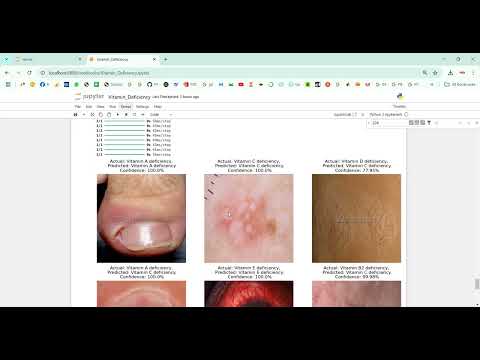
Vitamin Deficiency Detection Using Image Processing in Python Projects
Vitamin Deficiency Detection Using Image Processing in Python Projects
र 1000