AI & ML Models
0.0 (0 reviews) • 0 downloads
Diabetic Intake Prediction Flask App in Python Projects
र 1000
Diabetic Intake Prediction Flask App in Python Projects
Technical Details
Domain : Python
Database : Sqlite
Tools : Anaconda
Run Tools: VS Code
Database : Sqlite
Tools : Anaconda
Run Tools: VS Code
Secure Payment
Instant Download
GST Invoice
24/7 Support
About This Product
Diabetic Intake Prediction Flask App in Python Projects
Abstract
Diabetes management requires careful monitoring of food intake to maintain balanced blood sugar levels and prevent complications. The project “Diabetic Intake Prediction Flask App in Python” aims to develop a predictive system that analyzes dietary patterns and predicts whether a particular food intake is suitable for diabetic patients. The system uses datasets containing nutritional values such as carbohydrates, sugar content, fiber, calories, and fat levels to build a classification model using machine learning algorithms like Logistic Regression, Random Forest, and Support Vector Machine (SVM). By deploying the trained model through a Flask web application, users can input food items or their nutritional values and receive instant feedback on whether the intake is recommended or risky. Python libraries like Scikit-learn, Pandas, NumPy, and Flask are used for model training, integration, and deployment.
Existing System
Currently, most diabetes management systems focus primarily on blood sugar monitoring using glucometers, continuous glucose monitors (CGMs), or manual tracking of meals. While mobile applications exist for diet logging, many rely on static rules or calorie counts without incorporating machine learning–based predictive intelligence. These systems often fail to adapt to individual variations in diet response and provide only generalized suggestions. Additionally, they lack seamless integration with lightweight, real-time web applications, which limits accessibility and usability for diabetic patients seeking quick dietary recommendations.
Proposed System
The proposed system introduces a Flask-based web application that uses machine learning models to predict the suitability of food intake for diabetic individuals. Preprocessing includes handling nutritional datasets, feature selection, and normalization to prepare inputs for the model. The trained ML classifier evaluates food entries and predicts whether they are “Safe” or “Not Safe” for consumption. Users interact with the system through a Flask-powered interface, where they can input either food names (linked to a nutrition database) or raw nutritional values. The output includes prediction results along with confidence scores to help users make informed dietary decisions. This predictive and interactive approach provides real-time assistance in diet planning, making it a practical solution for diabetes management.
Abstract
Diabetes management requires careful monitoring of food intake to maintain balanced blood sugar levels and prevent complications. The project “Diabetic Intake Prediction Flask App in Python” aims to develop a predictive system that analyzes dietary patterns and predicts whether a particular food intake is suitable for diabetic patients. The system uses datasets containing nutritional values such as carbohydrates, sugar content, fiber, calories, and fat levels to build a classification model using machine learning algorithms like Logistic Regression, Random Forest, and Support Vector Machine (SVM). By deploying the trained model through a Flask web application, users can input food items or their nutritional values and receive instant feedback on whether the intake is recommended or risky. Python libraries like Scikit-learn, Pandas, NumPy, and Flask are used for model training, integration, and deployment.
Existing System
Currently, most diabetes management systems focus primarily on blood sugar monitoring using glucometers, continuous glucose monitors (CGMs), or manual tracking of meals. While mobile applications exist for diet logging, many rely on static rules or calorie counts without incorporating machine learning–based predictive intelligence. These systems often fail to adapt to individual variations in diet response and provide only generalized suggestions. Additionally, they lack seamless integration with lightweight, real-time web applications, which limits accessibility and usability for diabetic patients seeking quick dietary recommendations.
Proposed System
The proposed system introduces a Flask-based web application that uses machine learning models to predict the suitability of food intake for diabetic individuals. Preprocessing includes handling nutritional datasets, feature selection, and normalization to prepare inputs for the model. The trained ML classifier evaluates food entries and predicts whether they are “Safe” or “Not Safe” for consumption. Users interact with the system through a Flask-powered interface, where they can input either food names (linked to a nutrition database) or raw nutritional values. The output includes prediction results along with confidence scores to help users make informed dietary decisions. This predictive and interactive approach provides real-time assistance in diet planning, making it a practical solution for diabetes management.
Customer Reviews (0)
No reviews yet. Be the first!
Related Products
⭐ Featured
AI & ML Models
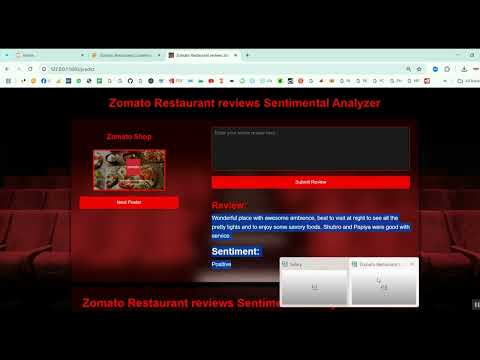
Zomato Restaurant Reviews Sentimental Analyzer in Python Projects
Zomato Restaurant Reviews Sentimental Analyzer in Python Projects
र 1000
⭐ Featured
⭐ Featured
AI & ML Models
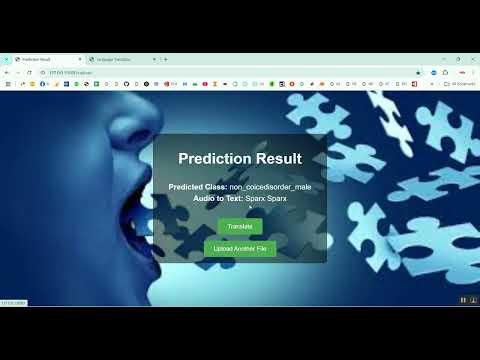
Voice Disorder Prediction using Audio Dataset in Python Projects
Voice Disorder Prediction using Audio Dataset in Python Projects
र 1000
AI & ML Models
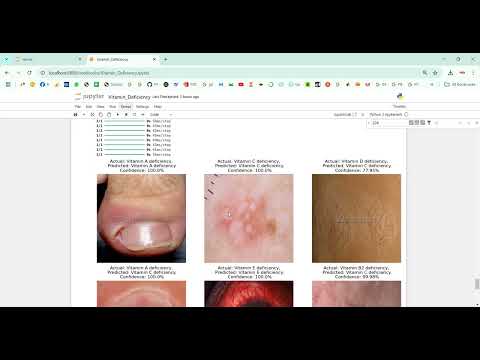
Vitamin Deficiency Detection Using Image Processing in Python Projects
Vitamin Deficiency Detection Using Image Processing in Python Projects
र 1000