AI & ML Models
0.0 (0 reviews) • 0 downloads
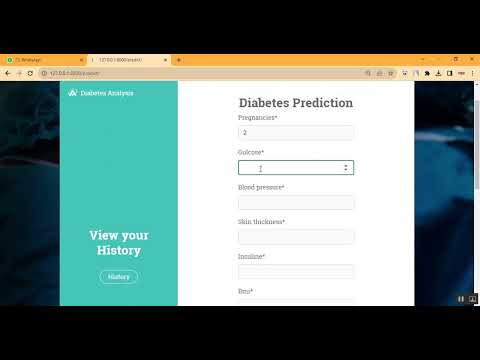
Diabetes Detection using ML Algorithm in Python Projects
र 1000
Diabetes Detection using ML Algorithm in Python Projects
Technical Details
Domain : Python
Database : Sqlite
Tools : Anaconda
Run Tools: VS Code
Database : Sqlite
Tools : Anaconda
Run Tools: VS Code
Secure Payment
Instant Download
GST Invoice
24/7 Support
About This Product
Diabetes Detection using ML Algorithm in Python Projects
Abstract
Diabetes is one of the most prevalent chronic diseases worldwide, and its early detection plays a vital role in reducing complications and improving patient quality of life. The project “Diabetes Detection using ML Algorithm in Python” focuses on building a predictive model that can automatically classify individuals as diabetic or non-diabetic based on medical attributes such as glucose level, BMI, insulin, blood pressure, age, and family history. The system leverages machine learning algorithms like Logistic Regression, Decision Tree, Random Forest, and Support Vector Machine (SVM) to identify patterns within patient datasets. Python libraries such as Scikit-learn, Pandas, NumPy, and Matplotlib are employed for data preprocessing, training, evaluation, and visualization. This project demonstrates the practical integration of machine learning in healthcare for assisting early diagnosis and preventive measures.
Existing System
Current diabetes diagnosis typically relies on laboratory tests such as fasting blood sugar (FBS), oral glucose tolerance test (OGTT), and HbA1c analysis, along with physician interpretation. While accurate, these processes are often time-consuming, costly, and inaccessible in rural or resource-limited areas. Existing computational models in healthcare often rely on single statistical methods or basic classifiers that may not generalize well across diverse datasets. Many lack proper feature engineering, scalability, and user-friendly interfaces, limiting their applicability for real-time prediction and decision support in clinical practice.
Proposed System
The proposed system presents a machine learning–based predictive model designed to improve the accuracy and accessibility of diabetes detection. Preprocessing steps such as missing value imputation, normalization, and feature selection are applied to ensure high-quality input data. The system is trained using various ML algorithms, and performance metrics such as accuracy, precision, recall, F1-score, and ROC-AUC are calculated to evaluate model effectiveness. Among the algorithms, ensemble-based methods (like Random Forest) or kernel-based classifiers (like SVM) are expected to yield high accuracy. The system outputs a binary classification (diabetic or non-diabetic) along with probability scores to indicate confidence. This Python-based model can further be extended into a user-friendly application for healthcare professionals and individuals, supporting early risk identification and better health management.
Abstract
Diabetes is one of the most prevalent chronic diseases worldwide, and its early detection plays a vital role in reducing complications and improving patient quality of life. The project “Diabetes Detection using ML Algorithm in Python” focuses on building a predictive model that can automatically classify individuals as diabetic or non-diabetic based on medical attributes such as glucose level, BMI, insulin, blood pressure, age, and family history. The system leverages machine learning algorithms like Logistic Regression, Decision Tree, Random Forest, and Support Vector Machine (SVM) to identify patterns within patient datasets. Python libraries such as Scikit-learn, Pandas, NumPy, and Matplotlib are employed for data preprocessing, training, evaluation, and visualization. This project demonstrates the practical integration of machine learning in healthcare for assisting early diagnosis and preventive measures.
Existing System
Current diabetes diagnosis typically relies on laboratory tests such as fasting blood sugar (FBS), oral glucose tolerance test (OGTT), and HbA1c analysis, along with physician interpretation. While accurate, these processes are often time-consuming, costly, and inaccessible in rural or resource-limited areas. Existing computational models in healthcare often rely on single statistical methods or basic classifiers that may not generalize well across diverse datasets. Many lack proper feature engineering, scalability, and user-friendly interfaces, limiting their applicability for real-time prediction and decision support in clinical practice.
Proposed System
The proposed system presents a machine learning–based predictive model designed to improve the accuracy and accessibility of diabetes detection. Preprocessing steps such as missing value imputation, normalization, and feature selection are applied to ensure high-quality input data. The system is trained using various ML algorithms, and performance metrics such as accuracy, precision, recall, F1-score, and ROC-AUC are calculated to evaluate model effectiveness. Among the algorithms, ensemble-based methods (like Random Forest) or kernel-based classifiers (like SVM) are expected to yield high accuracy. The system outputs a binary classification (diabetic or non-diabetic) along with probability scores to indicate confidence. This Python-based model can further be extended into a user-friendly application for healthcare professionals and individuals, supporting early risk identification and better health management.
Customer Reviews (0)
No reviews yet. Be the first!
Related Products
⭐ Featured

AI & ML Models
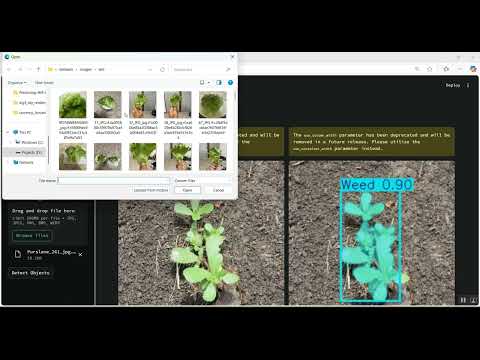
Zomato Restaurant Reviews Sentimental Analyzer in Python Projects
Zomato Restaurant Reviews Sentimental Analyzer in Python Projects
र 1000
⭐ Featured
⭐ Featured
AI & ML Models
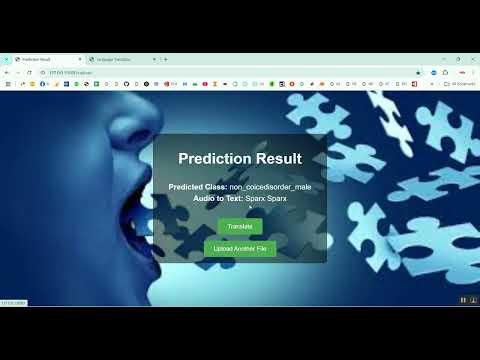
Voice Disorder Prediction using Audio Dataset in Python Projects
Voice Disorder Prediction using Audio Dataset in Python Projects
र 1000
AI & ML Models
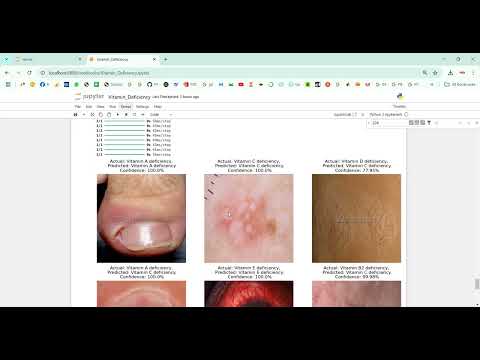
Vitamin Deficiency Detection Using Image Processing in Python Projects
Vitamin Deficiency Detection Using Image Processing in Python Projects
र 1000