AI & ML Models
0.0 (0 reviews) • 0 downloads
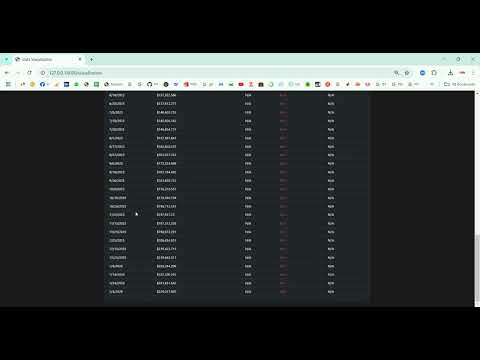
Crypto Currency Price Analysis in Python Projects
र 1000
Crypto Currency Price Analysis in Python Projects
Technical Details
Domain : Python
Database : Sqlite
Tools : Anaconda
Run Tools: VS Code
Database : Sqlite
Tools : Anaconda
Run Tools: VS Code
Secure Payment
Instant Download
GST Invoice
24/7 Support
About This Product
Crypto Currency Price Analysis in Python Projects
Abstract
Cryptocurrency has emerged as a revolutionary digital asset class used for secure online transactions. Due to its decentralized nature and high market volatility, price prediction and analysis have become challenging tasks that attract researchers, investors, and data scientists. The project titled Crypto Currency Price Analysis in Python Projects focuses on developing a data-driven analytical model to study and predict the price trends of popular cryptocurrencies such as Bitcoin, Ethereum, and Litecoin. Python is used as the development platform because of its rich ecosystem of libraries for data analysis, visualization, and machine learning, including Pandas, NumPy, Matplotlib, Scikit-learn, and TensorFlow. The system collects historical price data, analyzes market trends, identifies influential factors, and performs time-series forecasting using models like ARIMA, LSTM, and Prophet. This system assists users in understanding crypto market behavior, making informed trading decisions, and reducing investment risks.
Existing System
The existing methods for cryptocurrency price analysis typically rely on manual interpretation of market charts and indicators by traders. These traditional approaches use basic technical indicators like moving averages, RSI, and MACD, which require expert knowledge and financial experience. However, manual analysis is often subjective, error-prone, and unable to handle large datasets or dynamic market behavior. Some financial websites provide basic price charts, but they lack intelligent prediction capabilities. Existing systems also do not incorporate advanced machine learning or deep learning techniques for accurate forecasting. Due to these limitations, investors face challenges in making timely and data-driven trading decisions.
Proposed System
The proposed system introduces an automated cryptocurrency price analysis model developed in Python that combines statistical methods and machine learning for accurate forecasting. Historical price and volume data are collected through APIs such as CoinGecko or Binance. The data is preprocessed to remove noise and missing values, and feature engineering is performed using technical indicators. Time-series forecasting models such as ARIMA, Long Short-Term Memory (LSTM) neural networks, and Facebook Prophet are applied to analyze temporal dependencies and predict future prices. Python libraries like Matplotlib and Plotly are used to visualize trends and model predictions. The system also evaluates model performance using metrics such as Mean Absolute Error (MAE) and Root Mean Square Error (RMSE). By automating analysis and prediction, this system helps traders gain insights into market trends, manage risks, and make strategic investment decisions.
Abstract
Cryptocurrency has emerged as a revolutionary digital asset class used for secure online transactions. Due to its decentralized nature and high market volatility, price prediction and analysis have become challenging tasks that attract researchers, investors, and data scientists. The project titled Crypto Currency Price Analysis in Python Projects focuses on developing a data-driven analytical model to study and predict the price trends of popular cryptocurrencies such as Bitcoin, Ethereum, and Litecoin. Python is used as the development platform because of its rich ecosystem of libraries for data analysis, visualization, and machine learning, including Pandas, NumPy, Matplotlib, Scikit-learn, and TensorFlow. The system collects historical price data, analyzes market trends, identifies influential factors, and performs time-series forecasting using models like ARIMA, LSTM, and Prophet. This system assists users in understanding crypto market behavior, making informed trading decisions, and reducing investment risks.
Existing System
The existing methods for cryptocurrency price analysis typically rely on manual interpretation of market charts and indicators by traders. These traditional approaches use basic technical indicators like moving averages, RSI, and MACD, which require expert knowledge and financial experience. However, manual analysis is often subjective, error-prone, and unable to handle large datasets or dynamic market behavior. Some financial websites provide basic price charts, but they lack intelligent prediction capabilities. Existing systems also do not incorporate advanced machine learning or deep learning techniques for accurate forecasting. Due to these limitations, investors face challenges in making timely and data-driven trading decisions.
Proposed System
The proposed system introduces an automated cryptocurrency price analysis model developed in Python that combines statistical methods and machine learning for accurate forecasting. Historical price and volume data are collected through APIs such as CoinGecko or Binance. The data is preprocessed to remove noise and missing values, and feature engineering is performed using technical indicators. Time-series forecasting models such as ARIMA, Long Short-Term Memory (LSTM) neural networks, and Facebook Prophet are applied to analyze temporal dependencies and predict future prices. Python libraries like Matplotlib and Plotly are used to visualize trends and model predictions. The system also evaluates model performance using metrics such as Mean Absolute Error (MAE) and Root Mean Square Error (RMSE). By automating analysis and prediction, this system helps traders gain insights into market trends, manage risks, and make strategic investment decisions.
Customer Reviews (0)
No reviews yet. Be the first!
Related Products
⭐ Featured
AI & ML Models
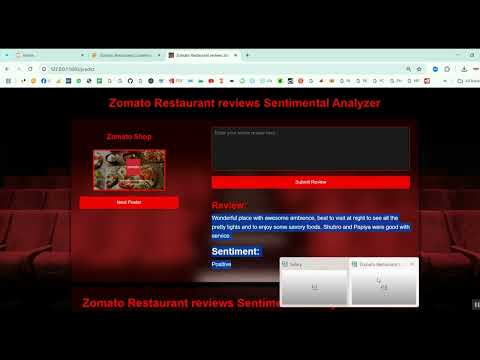
Zomato Restaurant Reviews Sentimental Analyzer in Python Projects
Zomato Restaurant Reviews Sentimental Analyzer in Python Projects
र 1000
⭐ Featured
⭐ Featured
AI & ML Models
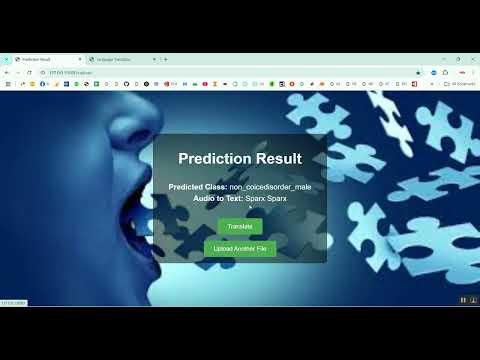
Voice Disorder Prediction using Audio Dataset in Python Projects
Voice Disorder Prediction using Audio Dataset in Python Projects
र 1000

AI & ML Models
Vitamin Deficiency Detection Using Image Processing in Python Projects
Vitamin Deficiency Detection Using Image Processing in Python Projects
र 1000