AI & ML Models
0.0 (0 reviews) • 0 downloads
Crop Secure Recommendation in Python Projects
र 1000
Crop Secure Recommendation in Python Projects
Technical Details
Domain : Python
Database : Sqlite
Tools : Anaconda
Run Tools: VS Code
Database : Sqlite
Tools : Anaconda
Run Tools: VS Code
Secure Payment
Instant Download
GST Invoice
24/7 Support
About This Product
Crop Secure Recommendation in Python Projects
Abstract
Crop security and optimization are vital for enhancing agricultural productivity and minimizing crop loss due to pests, diseases, or environmental stress. This project develops a Python-based Crop Secure Recommendation system that provides actionable guidance to farmers on selecting suitable crops, applying proper cultivation techniques, and implementing preventive measures. The system leverages data from soil sensors, weather conditions, and historical crop performance to generate personalized recommendations. By using machine learning algorithms, the system predicts crop growth patterns, identifies potential threats, and recommends appropriate interventions to maximize yield and ensure crop safety. This approach enables data-driven decision-making, reduces crop damage, and improves overall farm management efficiency.
Existing System
Traditional agricultural recommendations are primarily based on farmer experience, periodic inspection, or generalized advisory services provided by agricultural departments. While helpful, these methods are often subjective, time-consuming, and unable to adapt to the unique conditions of each farm. Some early automated systems provide basic crop suggestions based on soil type or weather patterns, but they fail to integrate multiple factors simultaneously and lack predictive capabilities for pest or disease outbreaks. Existing approaches also struggle with large-scale datasets and real-time decision-making, limiting their effectiveness in modern precision agriculture. As a result, farmers face challenges in ensuring crop security and maximizing productivity efficiently.
Proposed System
The proposed system introduces a Python-based Crop Secure Recommendation framework that integrates machine learning, data analytics, and environmental monitoring to provide precise, personalized recommendations. Data collected from soil sensors, weather stations, and historical crop records is preprocessed and analyzed to extract key features affecting crop growth. Machine learning algorithms such as Random Forest, Decision Trees, and Neural Networks are used to predict crop suitability, potential threats from diseases or pests, and optimal intervention strategies. The system can alert farmers about possible risks, suggest preventive measures, and recommend best practices for crop management. Python libraries like Pandas, NumPy, Scikit-learn, and TensorFlow are utilized for data handling, model training, and prediction. By delivering actionable insights, the system enhances crop security, reduces losses, and supports sustainable and efficient farm management.
Abstract
Crop security and optimization are vital for enhancing agricultural productivity and minimizing crop loss due to pests, diseases, or environmental stress. This project develops a Python-based Crop Secure Recommendation system that provides actionable guidance to farmers on selecting suitable crops, applying proper cultivation techniques, and implementing preventive measures. The system leverages data from soil sensors, weather conditions, and historical crop performance to generate personalized recommendations. By using machine learning algorithms, the system predicts crop growth patterns, identifies potential threats, and recommends appropriate interventions to maximize yield and ensure crop safety. This approach enables data-driven decision-making, reduces crop damage, and improves overall farm management efficiency.
Existing System
Traditional agricultural recommendations are primarily based on farmer experience, periodic inspection, or generalized advisory services provided by agricultural departments. While helpful, these methods are often subjective, time-consuming, and unable to adapt to the unique conditions of each farm. Some early automated systems provide basic crop suggestions based on soil type or weather patterns, but they fail to integrate multiple factors simultaneously and lack predictive capabilities for pest or disease outbreaks. Existing approaches also struggle with large-scale datasets and real-time decision-making, limiting their effectiveness in modern precision agriculture. As a result, farmers face challenges in ensuring crop security and maximizing productivity efficiently.
Proposed System
The proposed system introduces a Python-based Crop Secure Recommendation framework that integrates machine learning, data analytics, and environmental monitoring to provide precise, personalized recommendations. Data collected from soil sensors, weather stations, and historical crop records is preprocessed and analyzed to extract key features affecting crop growth. Machine learning algorithms such as Random Forest, Decision Trees, and Neural Networks are used to predict crop suitability, potential threats from diseases or pests, and optimal intervention strategies. The system can alert farmers about possible risks, suggest preventive measures, and recommend best practices for crop management. Python libraries like Pandas, NumPy, Scikit-learn, and TensorFlow are utilized for data handling, model training, and prediction. By delivering actionable insights, the system enhances crop security, reduces losses, and supports sustainable and efficient farm management.
Customer Reviews (0)
No reviews yet. Be the first!
Related Products
⭐ Featured
AI & ML Models
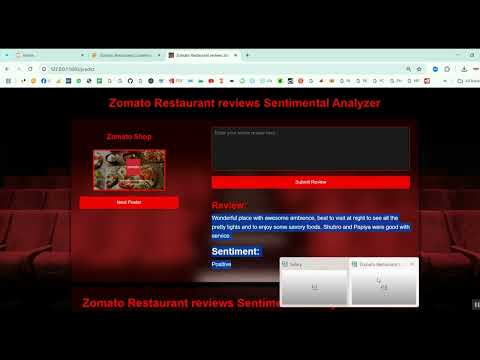
Zomato Restaurant Reviews Sentimental Analyzer in Python Projects
Zomato Restaurant Reviews Sentimental Analyzer in Python Projects
र 1000
⭐ Featured
⭐ Featured
AI & ML Models
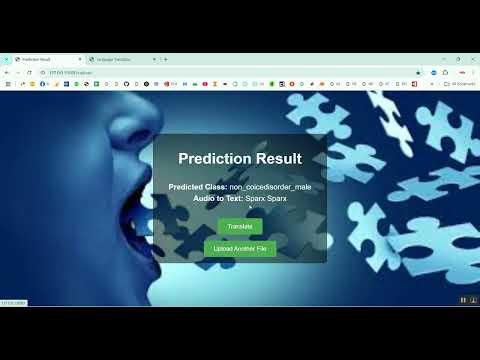
Voice Disorder Prediction using Audio Dataset in Python Projects
Voice Disorder Prediction using Audio Dataset in Python Projects
र 1000
AI & ML Models
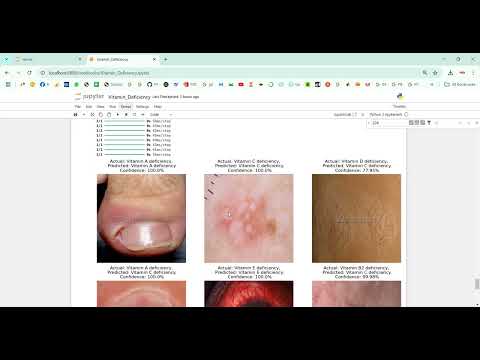
Vitamin Deficiency Detection Using Image Processing in Python Projects
Vitamin Deficiency Detection Using Image Processing in Python Projects
र 1000