AI & ML Models
0.0 (0 reviews) • 0 downloads
Consumable Products Supply Chain Management using Blockchain in Python Projects
र 1000
Consumable Products Supply Chain Management using Blockchain in Python Projects
Technical Details
Domain : Python
Database : Sqlite
Tools : Anaconda
Run Tools: VS Code
Database : Sqlite
Tools : Anaconda
Run Tools: VS Code
Secure Payment
Instant Download
GST Invoice
24/7 Support
About This Product
Consumable Products Supply Chain Management using Blockchain in Python Projects
Abstract
Supply chain transparency and traceability are major challenges in managing consumable products such as food, medicine, cosmetics, and household goods. These products often face issues like counterfeiting, contamination, delayed delivery, and lack of accountability. The project titled Consumable Products Supply Chain Management using Blockchain in Python Projects aims to develop a decentralized and tamper-proof system for tracking consumable goods from manufacturers to end consumers. Blockchain technology is integrated to ensure data integrity, transparency, and secure transactions across the supply chain network. Python is used for implementation due to its extensive libraries for blockchain development, data handling, and REST API integration, such as Flask, hashlib, JSON, and PyCrypto. The system records each transaction in a block and links it securely to the previous one, forming an immutable ledger. This ensures product authenticity, reduces fraud, improves trust among stakeholders, and enhances supply chain efficiency.
Existing System
The existing supply chain management system for consumable goods largely depends on centralized databases and manual documentation. These traditional systems suffer from data manipulation risks, lack of real-time tracking, and limited visibility across supply chain stages. Since each stakeholder—manufacturer, distributor, retailer, and transporter—maintains separate records, data inconsistency and delays are common. Additionally, product recalls are inefficient because it is difficult to trace the source of defects or contamination. The absence of a unified platform leads to trust issues between parties and enables counterfeiting and unauthorized product replacement. Centralized systems are also vulnerable to cyberattacks, making them unreliable for maintaining sensitive supply chain data.
Proposed System
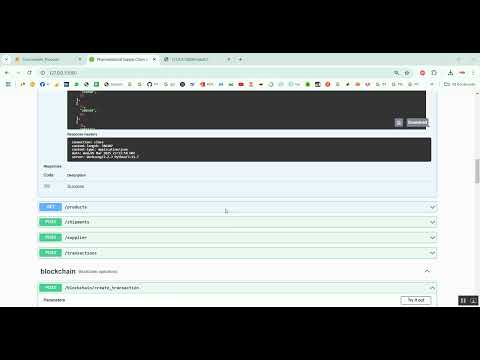
The proposed system introduces a blockchain-based solution using Python for secure and transparent supply chain management of consumable products. Each transaction, such as product creation, shipment, storage, and delivery, is recorded as a block in the blockchain. The block contains a timestamp, product ID, current location, ownership details, and a cryptographic hash to ensure integrity. A peer-to-peer network allows all stakeholders to access a synchronized version of the blockchain, ensuring transparency. Smart contract integration can automate validation processes for shipments and payments. Python libraries such as Flask are used to develop REST APIs, allowing users to interact with the blockchain through a user interface. Hashing is implemented using Python’s hashlib, and consensus is maintained to validate new blocks. The system supports real-time tracking, product verification via QR code scan, and secure audit trails. It minimizes fraud, prevents counterfeit product circulation, and enhances customer trust by ensuring product authenticity across the supply chain.
Abstract
Supply chain transparency and traceability are major challenges in managing consumable products such as food, medicine, cosmetics, and household goods. These products often face issues like counterfeiting, contamination, delayed delivery, and lack of accountability. The project titled Consumable Products Supply Chain Management using Blockchain in Python Projects aims to develop a decentralized and tamper-proof system for tracking consumable goods from manufacturers to end consumers. Blockchain technology is integrated to ensure data integrity, transparency, and secure transactions across the supply chain network. Python is used for implementation due to its extensive libraries for blockchain development, data handling, and REST API integration, such as Flask, hashlib, JSON, and PyCrypto. The system records each transaction in a block and links it securely to the previous one, forming an immutable ledger. This ensures product authenticity, reduces fraud, improves trust among stakeholders, and enhances supply chain efficiency.
Existing System
The existing supply chain management system for consumable goods largely depends on centralized databases and manual documentation. These traditional systems suffer from data manipulation risks, lack of real-time tracking, and limited visibility across supply chain stages. Since each stakeholder—manufacturer, distributor, retailer, and transporter—maintains separate records, data inconsistency and delays are common. Additionally, product recalls are inefficient because it is difficult to trace the source of defects or contamination. The absence of a unified platform leads to trust issues between parties and enables counterfeiting and unauthorized product replacement. Centralized systems are also vulnerable to cyberattacks, making them unreliable for maintaining sensitive supply chain data.
Proposed System
The proposed system introduces a blockchain-based solution using Python for secure and transparent supply chain management of consumable products. Each transaction, such as product creation, shipment, storage, and delivery, is recorded as a block in the blockchain. The block contains a timestamp, product ID, current location, ownership details, and a cryptographic hash to ensure integrity. A peer-to-peer network allows all stakeholders to access a synchronized version of the blockchain, ensuring transparency. Smart contract integration can automate validation processes for shipments and payments. Python libraries such as Flask are used to develop REST APIs, allowing users to interact with the blockchain through a user interface. Hashing is implemented using Python’s hashlib, and consensus is maintained to validate new blocks. The system supports real-time tracking, product verification via QR code scan, and secure audit trails. It minimizes fraud, prevents counterfeit product circulation, and enhances customer trust by ensuring product authenticity across the supply chain.
Customer Reviews (0)
No reviews yet. Be the first!
Related Products
⭐ Featured
AI & ML Models
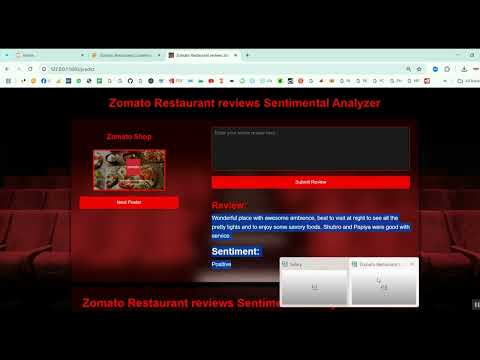
Zomato Restaurant Reviews Sentimental Analyzer in Python Projects
Zomato Restaurant Reviews Sentimental Analyzer in Python Projects
र 1000
⭐ Featured
⭐ Featured

AI & ML Models
Voice Disorder Prediction using Audio Dataset in Python Projects
Voice Disorder Prediction using Audio Dataset in Python Projects
र 1000

AI & ML Models
Vitamin Deficiency Detection Using Image Processing in Python Projects
Vitamin Deficiency Detection Using Image Processing in Python Projects
र 1000