Django Projects
0.0 (0 reviews) • 0 downloads
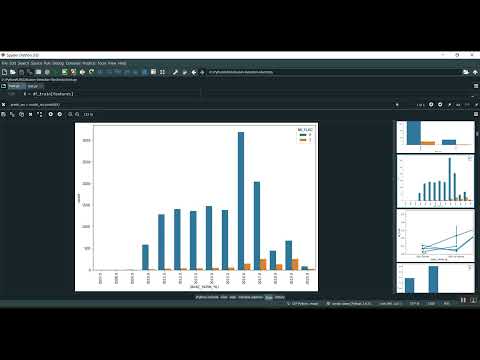
Collusion Detection Electricity ML Classification in Python Projects
र 1000
Collusion Detection Electricity ML Classification in Python Projects
Technical Details
Domain : Python
Database : Sqlite
Tools : Anaconda
Run Tools: VS Code
Database : Sqlite
Tools : Anaconda
Run Tools: VS Code
Secure Payment
Instant Download
GST Invoice
24/7 Support
About This Product
Collusion Detection Electricity ML Classification in Python Projects
Abstract
Electricity theft and collusion among consumers or employees can cause significant financial losses and affect the reliability of power distribution systems. Detecting such fraudulent activities manually is time-consuming and prone to errors. This project, Collusion Detection in Electricity Using ML Classification in Python, proposes an automated system that analyzes electricity consumption patterns and identifies potential collusion or fraud. Using machine learning algorithms such as Random Forest, Support Vector Machine (SVM), Gradient Boosting, or Neural Networks, the system detects abnormal consumption patterns, correlated anomalies, and suspicious behaviors. Implemented in Python using Pandas, NumPy, Scikit-learn, and Matplotlib, the system provides utilities for data preprocessing, feature extraction, model training, and evaluation, enabling utility providers to reduce losses and ensure fair billing.
Existing System
Currently, electricity fraud detection relies on manual inspection, meter reading discrepancies, and occasional audits. These traditional methods are time-consuming, resource-intensive, and often fail to detect sophisticated collusion or tampering. Some existing digital solutions employ basic threshold-based detection or simple statistical analysis, but these approaches are limited in handling large datasets and identifying complex patterns. Additionally, they lack predictive capabilities for proactive monitoring and risk assessment.
Proposed System
The proposed system introduces a machine learning–based collusion detection framework for electricity consumption data. The workflow includes data collection and preprocessing (handling missing values, normalization, and feature engineering), model training using algorithms like Random Forest, SVM, or Gradient Boosting, and evaluation using accuracy, precision, recall, and F1-score. The system identifies correlated anomalies indicative of collusion between multiple consumers or between employees and consumers. Compared to existing methods, this approach provides automated, accurate, scalable, and real-time detection, enabling utility providers to proactively prevent fraud, optimize resources, and enhance billing transparency.
Abstract
Electricity theft and collusion among consumers or employees can cause significant financial losses and affect the reliability of power distribution systems. Detecting such fraudulent activities manually is time-consuming and prone to errors. This project, Collusion Detection in Electricity Using ML Classification in Python, proposes an automated system that analyzes electricity consumption patterns and identifies potential collusion or fraud. Using machine learning algorithms such as Random Forest, Support Vector Machine (SVM), Gradient Boosting, or Neural Networks, the system detects abnormal consumption patterns, correlated anomalies, and suspicious behaviors. Implemented in Python using Pandas, NumPy, Scikit-learn, and Matplotlib, the system provides utilities for data preprocessing, feature extraction, model training, and evaluation, enabling utility providers to reduce losses and ensure fair billing.
Existing System
Currently, electricity fraud detection relies on manual inspection, meter reading discrepancies, and occasional audits. These traditional methods are time-consuming, resource-intensive, and often fail to detect sophisticated collusion or tampering. Some existing digital solutions employ basic threshold-based detection or simple statistical analysis, but these approaches are limited in handling large datasets and identifying complex patterns. Additionally, they lack predictive capabilities for proactive monitoring and risk assessment.
Proposed System
The proposed system introduces a machine learning–based collusion detection framework for electricity consumption data. The workflow includes data collection and preprocessing (handling missing values, normalization, and feature engineering), model training using algorithms like Random Forest, SVM, or Gradient Boosting, and evaluation using accuracy, precision, recall, and F1-score. The system identifies correlated anomalies indicative of collusion between multiple consumers or between employees and consumers. Compared to existing methods, this approach provides automated, accurate, scalable, and real-time detection, enabling utility providers to proactively prevent fraud, optimize resources, and enhance billing transparency.
Customer Reviews (0)
No reviews yet. Be the first!
Related Products
⭐ Featured
⭐ Featured

Django Projects
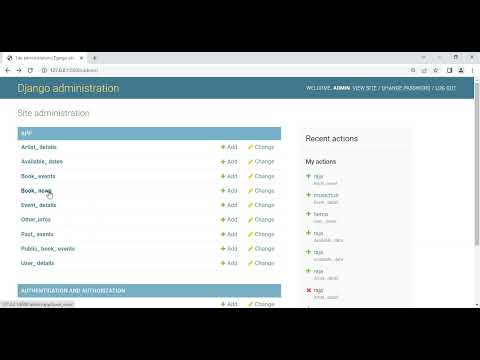
Music Event Booking App in Django Python
Music Event Booking App in Django Python
र 1000
⭐ Featured
Django Projects
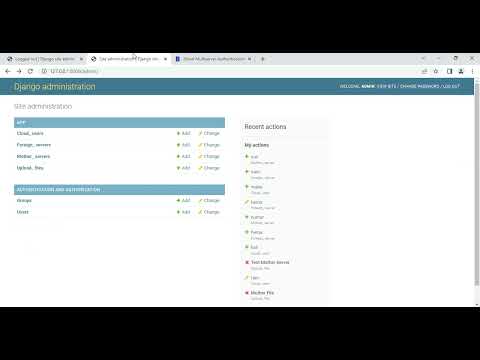
Multi Server Management System in Django Python
Multi Server Management System in Django Python
र 1000
⭐ Featured

Django Projects
Multi Authority Access Control in Django Python
Multi Authority Access Control in Django Python
र 1000