AI & ML Models
0.0 (0 reviews) • 0 downloads
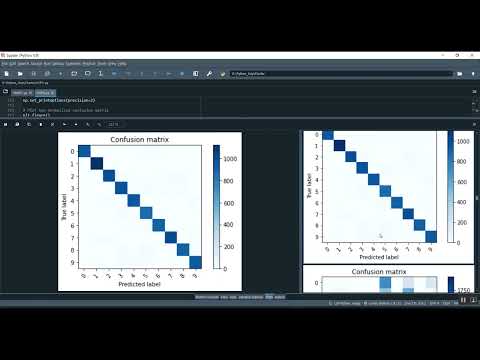
Cluster Data Reply in Python Projects
र 1000
Cluster Data Reply in Python Projects
Technical Details
Domain : Python
Database : Sqlite
Tools : Anaconda
Run Tools: VS Code
Database : Sqlite
Tools : Anaconda
Run Tools: VS Code
Secure Payment
Instant Download
GST Invoice
24/7 Support
About This Product
Cluster Data Reply in Python Projects
Abstract
Cluster data reply is an emerging technique in data analytics and machine learning that focuses on grouping similar data points and generating appropriate responses based on cluster characteristics. In large-scale datasets, manually responding to individual queries or analyzing every data point is time-consuming and inefficient. This project presents a Python-based system for clustering data and automatically generating replies or insights for each cluster. The system leverages clustering algorithms to group similar data entries and applies natural language processing or statistical techniques to provide meaningful replies. By automating response generation for clustered data, the system enhances efficiency, reduces manual workload, and improves the relevance of responses in applications such as customer support, recommendation systems, and survey analysis.
Existing System
In traditional data handling systems, responding to individual queries or analyzing datasets is usually performed manually or with simple rule-based systems. These methods are often inefficient for large datasets, as they require significant human intervention and cannot scale effectively. Rule-based response systems may provide fixed responses and lack adaptability to new or unseen data. Furthermore, they fail to leverage the inherent structure or patterns in data, leading to repetitive or irrelevant replies. Existing automated systems may use keyword-based approaches, but these ignore relationships between data points and do not group similar information efficiently. As a result, response generation is slow, prone to errors, and often fails to provide insights that reflect the true distribution or patterns within the dataset.
Proposed System
The proposed system introduces a Python-based cluster data reply framework that combines clustering techniques with automated response generation. The system applies algorithms such as K-Means, DBSCAN, or hierarchical clustering to group similar data points based on their features. Once clusters are formed, a reply generation module analyzes the content of each cluster and produces relevant responses, summaries, or recommendations. By leveraging machine learning and natural language processing, the system ensures that replies are contextually accurate and tailored to each cluster’s characteristics. This approach reduces manual intervention, improves efficiency, and provides a scalable solution for handling large datasets. The Python implementation allows easy integration with cloud-based databases, APIs, and interactive dashboards, making it suitable for applications such as customer support automation, survey analysis, and intelligent data-driven recommendations.
Abstract
Cluster data reply is an emerging technique in data analytics and machine learning that focuses on grouping similar data points and generating appropriate responses based on cluster characteristics. In large-scale datasets, manually responding to individual queries or analyzing every data point is time-consuming and inefficient. This project presents a Python-based system for clustering data and automatically generating replies or insights for each cluster. The system leverages clustering algorithms to group similar data entries and applies natural language processing or statistical techniques to provide meaningful replies. By automating response generation for clustered data, the system enhances efficiency, reduces manual workload, and improves the relevance of responses in applications such as customer support, recommendation systems, and survey analysis.
Existing System
In traditional data handling systems, responding to individual queries or analyzing datasets is usually performed manually or with simple rule-based systems. These methods are often inefficient for large datasets, as they require significant human intervention and cannot scale effectively. Rule-based response systems may provide fixed responses and lack adaptability to new or unseen data. Furthermore, they fail to leverage the inherent structure or patterns in data, leading to repetitive or irrelevant replies. Existing automated systems may use keyword-based approaches, but these ignore relationships between data points and do not group similar information efficiently. As a result, response generation is slow, prone to errors, and often fails to provide insights that reflect the true distribution or patterns within the dataset.
Proposed System
The proposed system introduces a Python-based cluster data reply framework that combines clustering techniques with automated response generation. The system applies algorithms such as K-Means, DBSCAN, or hierarchical clustering to group similar data points based on their features. Once clusters are formed, a reply generation module analyzes the content of each cluster and produces relevant responses, summaries, or recommendations. By leveraging machine learning and natural language processing, the system ensures that replies are contextually accurate and tailored to each cluster’s characteristics. This approach reduces manual intervention, improves efficiency, and provides a scalable solution for handling large datasets. The Python implementation allows easy integration with cloud-based databases, APIs, and interactive dashboards, making it suitable for applications such as customer support automation, survey analysis, and intelligent data-driven recommendations.
Customer Reviews (0)
No reviews yet. Be the first!
Related Products
⭐ Featured
AI & ML Models
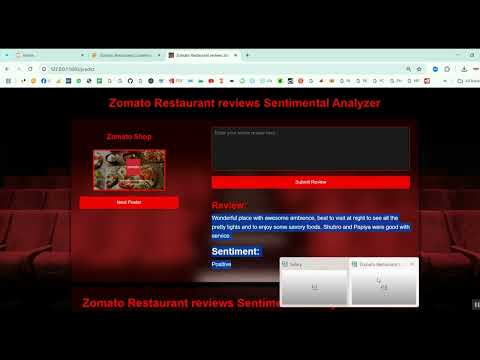
Zomato Restaurant Reviews Sentimental Analyzer in Python Projects
Zomato Restaurant Reviews Sentimental Analyzer in Python Projects
र 1000
⭐ Featured
⭐ Featured
AI & ML Models
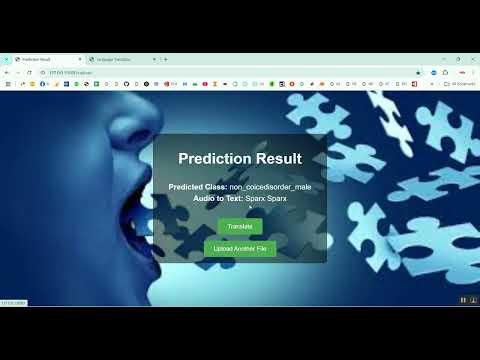
Voice Disorder Prediction using Audio Dataset in Python Projects
Voice Disorder Prediction using Audio Dataset in Python Projects
र 1000
AI & ML Models
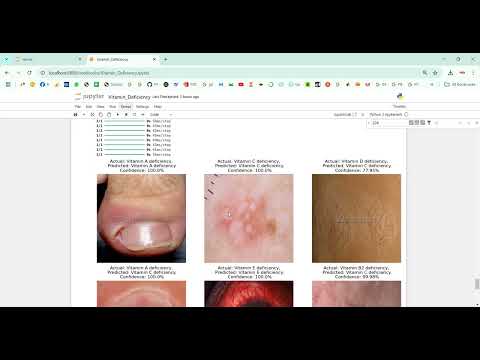
Vitamin Deficiency Detection Using Image Processing in Python Projects
Vitamin Deficiency Detection Using Image Processing in Python Projects
र 1000