Django Projects
0.0 (0 reviews) • 0 downloads
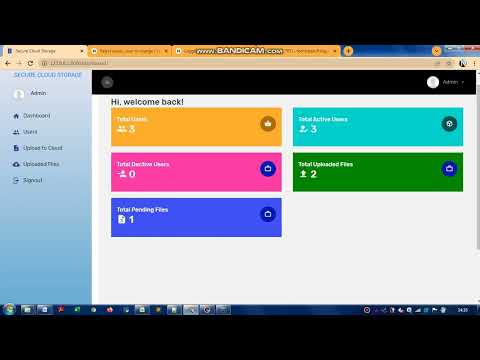
Cloud Storege Access Data in Django Python
र 1000
Cloud Storege Access Data in Django Python
Technical Details
Domain : Python
Database : Sqlite
Tools : Anaconda
Run Tools: VS Code
Database : Sqlite
Tools : Anaconda
Run Tools: VS Code
Secure Payment
Instant Download
GST Invoice
24/7 Support
About This Product
Cloud Storege Access Data in Django Python
Abstract
Cloud storage has become a vital solution for individuals and enterprises to store, access, and share large amounts of data. However, issues such as unauthorized access, poor access control policies, and weak security mechanisms pose risks to stored data. The Cloud Storage Access Data in Django Python project proposes a secure web-based application that manages user authentication, access permissions, file uploads, and data retrieval. The system ensures that only authorized users can access specific files by implementing role-based access control (RBAC) and fine-grained permission settings. The Django framework provides the foundation for secure backend operations, while encryption, access logs, and session management guarantee the confidentiality, integrity, and availability of data. This project not only secures cloud storage but also enables efficient and controlled data sharing among users.
Existing System
Traditional cloud storage providers such as Dropbox, Google Drive, and OneDrive offer file storage and sharing, but they often rely on provider-managed encryption and access policies, which reduces user control. Many of these systems have faced data breaches, unauthorized access incidents, and weak authentication mechanisms. Moreover, in some existing solutions, users lack flexibility in defining fine-grained permissions, such as restricting access to read-only, time-limited access, or group-specific access. This leads to potential misuse of sensitive files. Users are also dependent on the service provider for data availability and access monitoring, which introduces risks of insider threats or service misuse.
Proposed System
The proposed Django-based Cloud Storage Access Data System addresses these challenges by implementing user-driven access control and secure data management. Files are uploaded and stored in the cloud with encryption (AES/RSA hybrid approach), and access permissions are controlled at the user level. A file owner can assign roles (read, write, share, download) to specific users or groups, ensuring that sensitive files remain protected. The system incorporates multi-factor authentication (MFA), secure session handling, audit logs, and real-time notifications to monitor data access. Additionally, administrators can view access reports and revoke permissions if misuse is detected. This approach ensures that data confidentiality, availability, and controlled access are maintained while giving users full control over who can interact with their files.
Abstract
Cloud storage has become a vital solution for individuals and enterprises to store, access, and share large amounts of data. However, issues such as unauthorized access, poor access control policies, and weak security mechanisms pose risks to stored data. The Cloud Storage Access Data in Django Python project proposes a secure web-based application that manages user authentication, access permissions, file uploads, and data retrieval. The system ensures that only authorized users can access specific files by implementing role-based access control (RBAC) and fine-grained permission settings. The Django framework provides the foundation for secure backend operations, while encryption, access logs, and session management guarantee the confidentiality, integrity, and availability of data. This project not only secures cloud storage but also enables efficient and controlled data sharing among users.
Existing System
Traditional cloud storage providers such as Dropbox, Google Drive, and OneDrive offer file storage and sharing, but they often rely on provider-managed encryption and access policies, which reduces user control. Many of these systems have faced data breaches, unauthorized access incidents, and weak authentication mechanisms. Moreover, in some existing solutions, users lack flexibility in defining fine-grained permissions, such as restricting access to read-only, time-limited access, or group-specific access. This leads to potential misuse of sensitive files. Users are also dependent on the service provider for data availability and access monitoring, which introduces risks of insider threats or service misuse.
Proposed System
The proposed Django-based Cloud Storage Access Data System addresses these challenges by implementing user-driven access control and secure data management. Files are uploaded and stored in the cloud with encryption (AES/RSA hybrid approach), and access permissions are controlled at the user level. A file owner can assign roles (read, write, share, download) to specific users or groups, ensuring that sensitive files remain protected. The system incorporates multi-factor authentication (MFA), secure session handling, audit logs, and real-time notifications to monitor data access. Additionally, administrators can view access reports and revoke permissions if misuse is detected. This approach ensures that data confidentiality, availability, and controlled access are maintained while giving users full control over who can interact with their files.
Customer Reviews (0)
No reviews yet. Be the first!
Related Products
⭐ Featured
⭐ Featured

Django Projects
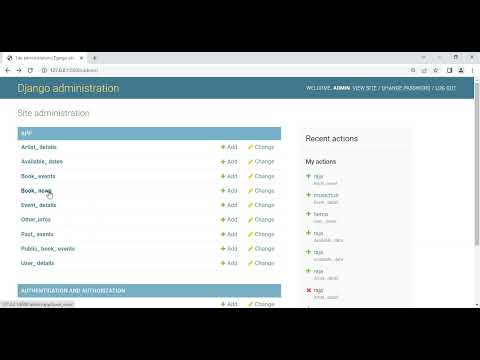
Music Event Booking App in Django Python
Music Event Booking App in Django Python
र 1000
⭐ Featured
Django Projects
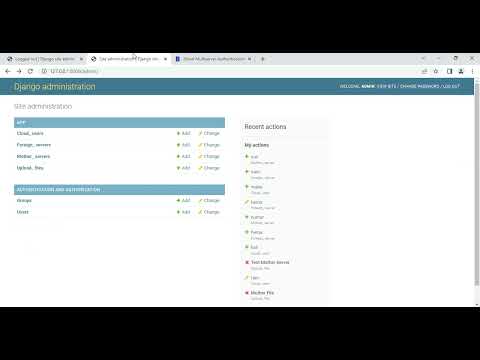
Multi Server Management System in Django Python
Multi Server Management System in Django Python
र 1000
⭐ Featured
Django Projects
Multi Authority Access Control in Django Python
Multi Authority Access Control in Django Python
र 1000