AI & ML Models
0.0 (0 reviews) • 0 downloads
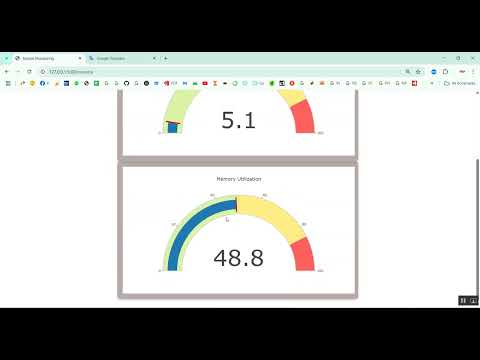
Cloud Monitor to Reduce Energy Consumption in Python Projects
र 1000
Cloud Monitor to Reduce Energy Consumption in Python Projects
Technical Details
Domain : Python
Database : Sqlite
Tools : Anaconda
Run Tools: VS Code
Database : Sqlite
Tools : Anaconda
Run Tools: VS Code
Secure Payment
Instant Download
GST Invoice
24/7 Support
About This Product
Cloud Monitor to Reduce Energy Consumption in Python Projects
Abstract
Energy consumption in cloud computing data centers has become a significant concern due to rising operational costs and environmental impact. The project titled Cloud Monitor to Reduce Energy Consumption in Python Projects focuses on developing an intelligent system that monitors cloud resource usage and optimizes energy efficiency. Python is used as the development platform because of its versatility and powerful libraries for data collection, analysis, and visualization, including Pandas, NumPy, Matplotlib, and Scikit-learn. The system collects real-time metrics from virtual machines, servers, and network components, analyzes usage patterns, and applies predictive models and optimization strategies to reduce energy consumption without compromising performance. This approach enables sustainable cloud operations, reduces costs, and promotes environmentally friendly practices in IT infrastructure management.
Existing System
Existing cloud monitoring systems primarily focus on performance metrics, service availability, and security, with limited attention to energy efficiency. Energy optimization in many data centers is often handled manually through hardware adjustments or static scheduling of workloads, which can be inefficient and unable to respond to dynamic workload variations. Some automated solutions use rule-based strategies or threshold limits to shut down idle servers, but they lack predictive capabilities and adaptability to varying demand. Additionally, traditional systems often do not integrate real-time monitoring with intelligent decision-making models, leading to suboptimal energy utilization. As a result, data centers continue to consume excessive power, contributing to high operational costs and environmental impacts.
Proposed System
The proposed system introduces a Python-based cloud monitoring and energy optimization framework that integrates real-time data collection, predictive analytics, and intelligent resource management. Cloud resource metrics such as CPU utilization, memory usage, and network traffic are continuously monitored using Python-based agents or APIs. Data is preprocessed and analyzed to identify patterns of resource underutilization. Machine learning models, including regression analysis, time series forecasting, and reinforcement learning, are applied to predict future workloads and optimize server allocation dynamically. The system can automatically scale resources, shut down idle instances, or redistribute workloads to minimize energy consumption. Visualization tools using Matplotlib or Plotly provide real-time dashboards for administrators to monitor energy usage trends and system performance. Overall, this approach improves data center energy efficiency, reduces operational costs, and supports sustainable cloud computing practices.
Abstract
Energy consumption in cloud computing data centers has become a significant concern due to rising operational costs and environmental impact. The project titled Cloud Monitor to Reduce Energy Consumption in Python Projects focuses on developing an intelligent system that monitors cloud resource usage and optimizes energy efficiency. Python is used as the development platform because of its versatility and powerful libraries for data collection, analysis, and visualization, including Pandas, NumPy, Matplotlib, and Scikit-learn. The system collects real-time metrics from virtual machines, servers, and network components, analyzes usage patterns, and applies predictive models and optimization strategies to reduce energy consumption without compromising performance. This approach enables sustainable cloud operations, reduces costs, and promotes environmentally friendly practices in IT infrastructure management.
Existing System
Existing cloud monitoring systems primarily focus on performance metrics, service availability, and security, with limited attention to energy efficiency. Energy optimization in many data centers is often handled manually through hardware adjustments or static scheduling of workloads, which can be inefficient and unable to respond to dynamic workload variations. Some automated solutions use rule-based strategies or threshold limits to shut down idle servers, but they lack predictive capabilities and adaptability to varying demand. Additionally, traditional systems often do not integrate real-time monitoring with intelligent decision-making models, leading to suboptimal energy utilization. As a result, data centers continue to consume excessive power, contributing to high operational costs and environmental impacts.
Proposed System
The proposed system introduces a Python-based cloud monitoring and energy optimization framework that integrates real-time data collection, predictive analytics, and intelligent resource management. Cloud resource metrics such as CPU utilization, memory usage, and network traffic are continuously monitored using Python-based agents or APIs. Data is preprocessed and analyzed to identify patterns of resource underutilization. Machine learning models, including regression analysis, time series forecasting, and reinforcement learning, are applied to predict future workloads and optimize server allocation dynamically. The system can automatically scale resources, shut down idle instances, or redistribute workloads to minimize energy consumption. Visualization tools using Matplotlib or Plotly provide real-time dashboards for administrators to monitor energy usage trends and system performance. Overall, this approach improves data center energy efficiency, reduces operational costs, and supports sustainable cloud computing practices.
Customer Reviews (0)
No reviews yet. Be the first!
Related Products
⭐ Featured
AI & ML Models
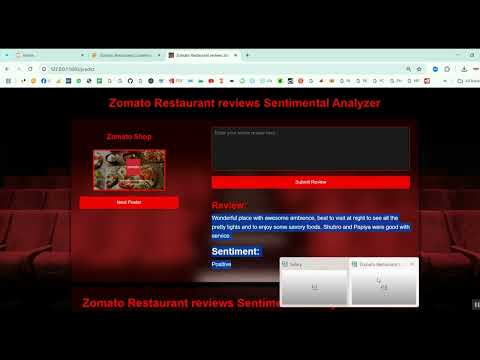
Zomato Restaurant Reviews Sentimental Analyzer in Python Projects
Zomato Restaurant Reviews Sentimental Analyzer in Python Projects
र 1000
⭐ Featured
⭐ Featured
AI & ML Models
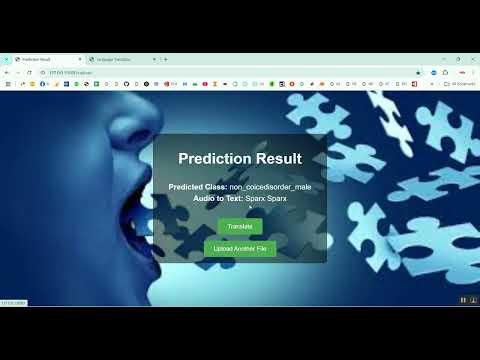
Voice Disorder Prediction using Audio Dataset in Python Projects
Voice Disorder Prediction using Audio Dataset in Python Projects
र 1000

AI & ML Models
Vitamin Deficiency Detection Using Image Processing in Python Projects
Vitamin Deficiency Detection Using Image Processing in Python Projects
र 1000