AI & ML Models
0.0 (0 reviews) • 0 downloads
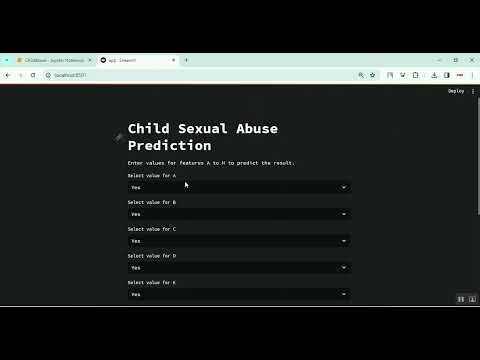
Child Sexual Abuse Prediction in Python Projects
र 1000
Child Sexual Abuse Prediction in Python Projects
Technical Details
Domain : Python
Database : Sqlite
Tools : Anaconda
Run Tools: VS Code
Database : Sqlite
Tools : Anaconda
Run Tools: VS Code
Secure Payment
Instant Download
GST Invoice
24/7 Support
About This Product
Child Sexual Abuse Prediction in Python Projects
Abstract
Child Sexual Abuse (CSA) is a growing global concern, especially with the rapid increase in online communication platforms where offenders may attempt to exploit minors. Early detection of risk patterns and suspicious behavior plays a crucial role in preventing abuse and ensuring child safety. This project presents a Child Sexual Abuse Risk Prediction System using Machine Learning in Python, designed to identify potential abuse-related conversations or user behavior patterns. The system analyzes anonymized text data such as chat messages, social media comments, and online interactions to detect harmful intentions using Natural Language Processing (NLP). Machine learning algorithms such as Logistic Regression, Naïve Bayes, SVM, and LSTM-based deep learning are used to classify text into normal, suspicious, or high-risk categories. Python libraries like Scikit-learn, TensorFlow, NLTK, and SpaCy are used. This system aims to support child safety organizations, parents, educators, and online safety monitoring platforms to prevent abuse by enabling early warning and intervention.
Existing System
The existing systems for CSA detection are mostly manual and reactive, operating only after abuse has occurred. Child protection agencies rely on human moderators to review reported content or messages, which is time-consuming and emotionally distressing. Current cybercrime detection systems lack specialized models for identifying grooming patterns and abusive language hidden behind emotional manipulation or indirect threats. Traditional keyword-based filtering methods are inadequate because offenders often use coded language, slang, or grooming tactics that bypass basic detection systems. Also, most existing systems do not use machine learning or behavioral analysis for real-time risk prediction.
Proposed System
The proposed system introduces an AI-powered CSA Risk Prediction Model that uses Natural Language Processing (NLP) and machine learning to detect harmful or grooming-related patterns in text conversations. The system preprocesses text by removing noise, tokenizing sentences, and extracting linguistic and emotional features. It uses a supervised learning approach trained on ethically sourced and anonymized datasets related to online abuse detection. The system identifies suspicious conversation patterns such as flattery, coercion, emotional manipulation, secrecy requests, and age-related control language. The model classifies messages based on risk levels and generates alerts. A web-based interface built with Flask or Streamlit allows organizations or safety officers to analyze conversation logs securely. This system does not monitor individuals but provides a tool for early intervention and child protection, supporting safer online environments.
Abstract
Child Sexual Abuse (CSA) is a growing global concern, especially with the rapid increase in online communication platforms where offenders may attempt to exploit minors. Early detection of risk patterns and suspicious behavior plays a crucial role in preventing abuse and ensuring child safety. This project presents a Child Sexual Abuse Risk Prediction System using Machine Learning in Python, designed to identify potential abuse-related conversations or user behavior patterns. The system analyzes anonymized text data such as chat messages, social media comments, and online interactions to detect harmful intentions using Natural Language Processing (NLP). Machine learning algorithms such as Logistic Regression, Naïve Bayes, SVM, and LSTM-based deep learning are used to classify text into normal, suspicious, or high-risk categories. Python libraries like Scikit-learn, TensorFlow, NLTK, and SpaCy are used. This system aims to support child safety organizations, parents, educators, and online safety monitoring platforms to prevent abuse by enabling early warning and intervention.
Existing System
The existing systems for CSA detection are mostly manual and reactive, operating only after abuse has occurred. Child protection agencies rely on human moderators to review reported content or messages, which is time-consuming and emotionally distressing. Current cybercrime detection systems lack specialized models for identifying grooming patterns and abusive language hidden behind emotional manipulation or indirect threats. Traditional keyword-based filtering methods are inadequate because offenders often use coded language, slang, or grooming tactics that bypass basic detection systems. Also, most existing systems do not use machine learning or behavioral analysis for real-time risk prediction.
Proposed System
The proposed system introduces an AI-powered CSA Risk Prediction Model that uses Natural Language Processing (NLP) and machine learning to detect harmful or grooming-related patterns in text conversations. The system preprocesses text by removing noise, tokenizing sentences, and extracting linguistic and emotional features. It uses a supervised learning approach trained on ethically sourced and anonymized datasets related to online abuse detection. The system identifies suspicious conversation patterns such as flattery, coercion, emotional manipulation, secrecy requests, and age-related control language. The model classifies messages based on risk levels and generates alerts. A web-based interface built with Flask or Streamlit allows organizations or safety officers to analyze conversation logs securely. This system does not monitor individuals but provides a tool for early intervention and child protection, supporting safer online environments.
Customer Reviews (0)
No reviews yet. Be the first!
Related Products
⭐ Featured
AI & ML Models
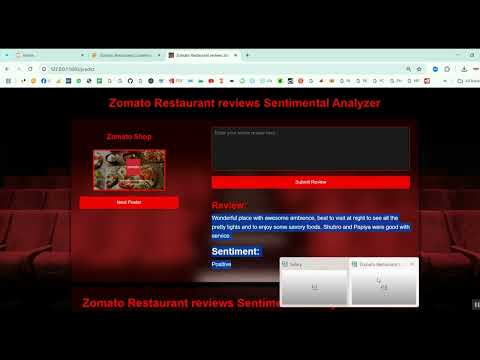
Zomato Restaurant Reviews Sentimental Analyzer in Python Projects
Zomato Restaurant Reviews Sentimental Analyzer in Python Projects
र 1000
⭐ Featured
⭐ Featured
AI & ML Models
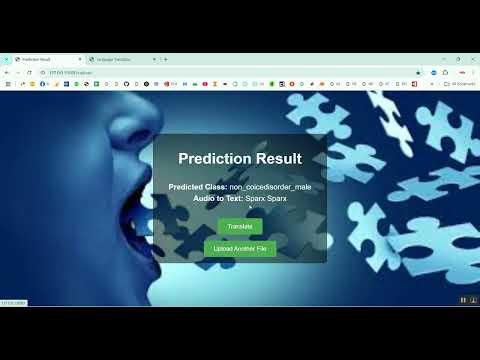
Voice Disorder Prediction using Audio Dataset in Python Projects
Voice Disorder Prediction using Audio Dataset in Python Projects
र 1000
AI & ML Models
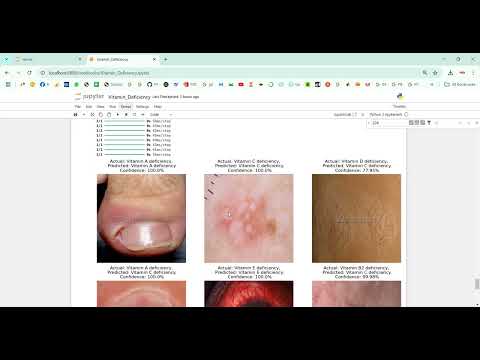
Vitamin Deficiency Detection Using Image Processing in Python Projects
Vitamin Deficiency Detection Using Image Processing in Python Projects
र 1000