AI & ML Models
0.0 (0 reviews) • 0 downloads
Blood Glucose Forecasting in Python Projects
र 1000
Blood Glucose Forecasting in Python Projects
Technical Details
Domain : Python
Database : Sqlite
Tools : Anaconda
Run Tools: VS Code
Database : Sqlite
Tools : Anaconda
Run Tools: VS Code
Secure Payment
Instant Download
GST Invoice
24/7 Support
About This Product
Blood Glucose Forecasting in Python Projects
Abstract
Accurate forecasting of blood glucose levels is crucial for effective diabetes management and timely intervention. This project presents a Blood Glucose Forecasting System using Python, which leverages time-series analysis and machine learning techniques to predict future glucose levels based on historical data from continuous glucose monitoring (CGM) devices, dietary intake, physical activity, and other physiological parameters. The system uses models such as ARIMA, LSTM, and GRU networks to capture temporal dependencies and trends in glucose fluctuations. Python libraries including Pandas, NumPy, Matplotlib, Scikit-learn, and TensorFlow/Keras are employed for data preprocessing, visualization, model training, and evaluation. By providing accurate glucose predictions, the system aids patients and healthcare providers in making informed decisions for insulin dosing, diet planning, and lifestyle management.
Existing System
In existing systems, blood glucose monitoring relies on periodic manual measurements using glucometers or CGM devices that provide real-time readings but limited predictive insight. Some existing apps offer trend visualization and simple alerts based on thresholds but cannot predict future glucose levels accurately. Traditional statistical models, such as linear regression, are often inadequate for capturing the nonlinear and dynamic behavior of glucose fluctuations influenced by multiple factors like meals, insulin doses, stress, and physical activity. As a result, patients and clinicians are unable to anticipate rapid changes or prevent hypo/hyperglycemic events proactively.
Proposed System
The proposed system introduces a Python-based predictive framework for blood glucose forecasting. Historical glucose readings, along with auxiliary features like carbohydrate intake, insulin dosage, exercise activity, and sleep patterns, are preprocessed using normalization, outlier detection, and time-series windowing. Machine learning models, particularly LSTM or GRU neural networks, are trained to capture temporal dependencies and nonlinear dynamics in the data. The system evaluates model performance using metrics such as Mean Absolute Error (MAE), Root Mean Squared Error (RMSE), and R² score. A user-friendly interface can be developed using Streamlit or Flask, allowing patients to input daily data and receive short-term or long-term glucose forecasts, visualizations of predicted trends, and alerts for potential abnormal events. This approach enables proactive diabetes management, reduces health risks, and supports informed decision-making for lifestyle and medication adjustments.
Abstract
Accurate forecasting of blood glucose levels is crucial for effective diabetes management and timely intervention. This project presents a Blood Glucose Forecasting System using Python, which leverages time-series analysis and machine learning techniques to predict future glucose levels based on historical data from continuous glucose monitoring (CGM) devices, dietary intake, physical activity, and other physiological parameters. The system uses models such as ARIMA, LSTM, and GRU networks to capture temporal dependencies and trends in glucose fluctuations. Python libraries including Pandas, NumPy, Matplotlib, Scikit-learn, and TensorFlow/Keras are employed for data preprocessing, visualization, model training, and evaluation. By providing accurate glucose predictions, the system aids patients and healthcare providers in making informed decisions for insulin dosing, diet planning, and lifestyle management.
Existing System
In existing systems, blood glucose monitoring relies on periodic manual measurements using glucometers or CGM devices that provide real-time readings but limited predictive insight. Some existing apps offer trend visualization and simple alerts based on thresholds but cannot predict future glucose levels accurately. Traditional statistical models, such as linear regression, are often inadequate for capturing the nonlinear and dynamic behavior of glucose fluctuations influenced by multiple factors like meals, insulin doses, stress, and physical activity. As a result, patients and clinicians are unable to anticipate rapid changes or prevent hypo/hyperglycemic events proactively.
Proposed System
The proposed system introduces a Python-based predictive framework for blood glucose forecasting. Historical glucose readings, along with auxiliary features like carbohydrate intake, insulin dosage, exercise activity, and sleep patterns, are preprocessed using normalization, outlier detection, and time-series windowing. Machine learning models, particularly LSTM or GRU neural networks, are trained to capture temporal dependencies and nonlinear dynamics in the data. The system evaluates model performance using metrics such as Mean Absolute Error (MAE), Root Mean Squared Error (RMSE), and R² score. A user-friendly interface can be developed using Streamlit or Flask, allowing patients to input daily data and receive short-term or long-term glucose forecasts, visualizations of predicted trends, and alerts for potential abnormal events. This approach enables proactive diabetes management, reduces health risks, and supports informed decision-making for lifestyle and medication adjustments.
Customer Reviews (0)
No reviews yet. Be the first!
Related Products
⭐ Featured
AI & ML Models
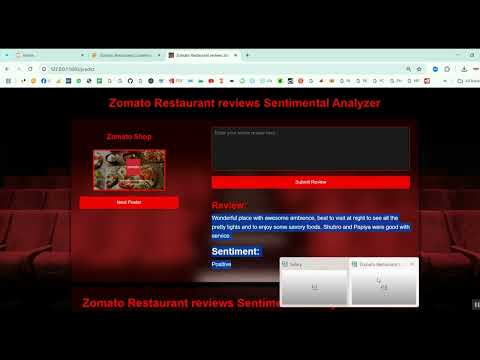
Zomato Restaurant Reviews Sentimental Analyzer in Python Projects
Zomato Restaurant Reviews Sentimental Analyzer in Python Projects
र 1000
⭐ Featured
⭐ Featured
AI & ML Models
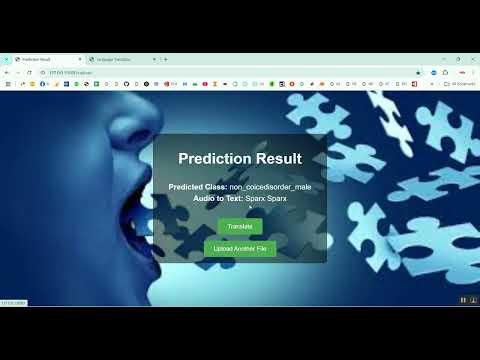
Voice Disorder Prediction using Audio Dataset in Python Projects
Voice Disorder Prediction using Audio Dataset in Python Projects
र 1000
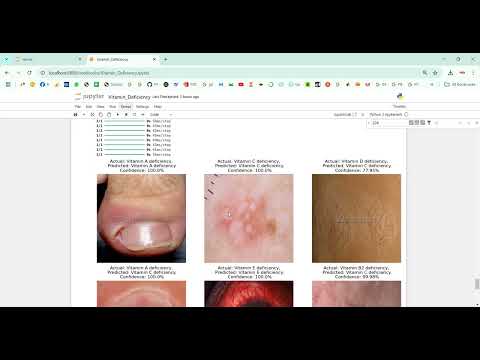
AI & ML Models
Vitamin Deficiency Detection Using Image Processing in Python Projects
Vitamin Deficiency Detection Using Image Processing in Python Projects
र 1000