Django Projects
0.0 (0 reviews) • 0 downloads
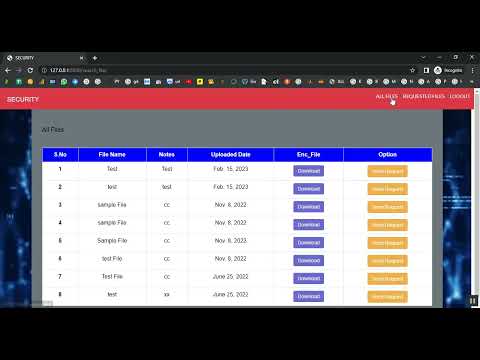
Block Chain Cloud Data Security in Django Python
र 1000
Block Chain Cloud Data Security in Django Python
Technical Details
Domain : Python
Database : Sqlite
Tools : Anaconda
Run Tools: VS Code
Database : Sqlite
Tools : Anaconda
Run Tools: VS Code
Secure Payment
Instant Download
GST Invoice
24/7 Support
About This Product
Block Chain Cloud Data Security in Django Python
Abstract
With the rapid adoption of cloud computing, vast amounts of sensitive data are stored and accessed remotely. While cloud platforms provide scalability and flexibility, they remain vulnerable to data breaches, unauthorized access, and integrity issues. Blockchain technology, with its decentralized ledger and immutable records, provides a robust solution for ensuring data confidentiality, authenticity, and integrity. This project, Blockchain Cloud Data Security in Django Python, aims to build a secure cloud data management system integrated with blockchain principles. The application will allow users to upload, store, and access files in a cloud environment, while transactions and data integrity are protected through blockchain hashing and consensus mechanisms. Developed using the Django web framework, the project ensures tamper-proof storage, access transparency, and enhanced trust, making it highly suitable for secure cloud environments in healthcare, finance, and enterprise applications.
Existing System
Current cloud storage solutions rely heavily on centralized servers and third-party trust models. Although encryption techniques (such as AES or RSA) are used, these systems remain vulnerable to single-point failures, insider threats, and unauthorized modifications. Users often have to rely solely on the service provider’s security protocols without being able to independently verify the integrity of their data. Additionally, maintaining audit logs of access and modifications is complex in centralized models, making it difficult to ensure accountability and transparency. As cyberattacks grow more sophisticated, traditional cloud data security systems often fall short in providing strong tamper-proof mechanisms.
Proposed System
The proposed system introduces a Django-based blockchain-enabled cloud data security platform. Instead of depending solely on centralized storage, each file upload, update, and access request is recorded in a blockchain ledger using hashing algorithms like SHA-256. This ensures that any modification in the stored file will result in a hash mismatch, immediately flagging tampering attempts. Users can verify file integrity independently through blockchain records, eliminating blind trust in the provider. The system also supports role-based access control, encrypted file storage, transaction history logging, and secure authentication mechanisms. Blockchain guarantees immutability and transparency, while Django ensures scalable, user-friendly interaction and management. Compared to existing solutions, this system offers decentralized trust, auditability, improved integrity verification, and high resilience against malicious attacks, ensuring robust data security in cloud environments.
Abstract
With the rapid adoption of cloud computing, vast amounts of sensitive data are stored and accessed remotely. While cloud platforms provide scalability and flexibility, they remain vulnerable to data breaches, unauthorized access, and integrity issues. Blockchain technology, with its decentralized ledger and immutable records, provides a robust solution for ensuring data confidentiality, authenticity, and integrity. This project, Blockchain Cloud Data Security in Django Python, aims to build a secure cloud data management system integrated with blockchain principles. The application will allow users to upload, store, and access files in a cloud environment, while transactions and data integrity are protected through blockchain hashing and consensus mechanisms. Developed using the Django web framework, the project ensures tamper-proof storage, access transparency, and enhanced trust, making it highly suitable for secure cloud environments in healthcare, finance, and enterprise applications.
Existing System
Current cloud storage solutions rely heavily on centralized servers and third-party trust models. Although encryption techniques (such as AES or RSA) are used, these systems remain vulnerable to single-point failures, insider threats, and unauthorized modifications. Users often have to rely solely on the service provider’s security protocols without being able to independently verify the integrity of their data. Additionally, maintaining audit logs of access and modifications is complex in centralized models, making it difficult to ensure accountability and transparency. As cyberattacks grow more sophisticated, traditional cloud data security systems often fall short in providing strong tamper-proof mechanisms.
Proposed System
The proposed system introduces a Django-based blockchain-enabled cloud data security platform. Instead of depending solely on centralized storage, each file upload, update, and access request is recorded in a blockchain ledger using hashing algorithms like SHA-256. This ensures that any modification in the stored file will result in a hash mismatch, immediately flagging tampering attempts. Users can verify file integrity independently through blockchain records, eliminating blind trust in the provider. The system also supports role-based access control, encrypted file storage, transaction history logging, and secure authentication mechanisms. Blockchain guarantees immutability and transparency, while Django ensures scalable, user-friendly interaction and management. Compared to existing solutions, this system offers decentralized trust, auditability, improved integrity verification, and high resilience against malicious attacks, ensuring robust data security in cloud environments.
Customer Reviews (0)
No reviews yet. Be the first!
Related Products
⭐ Featured
⭐ Featured

Django Projects
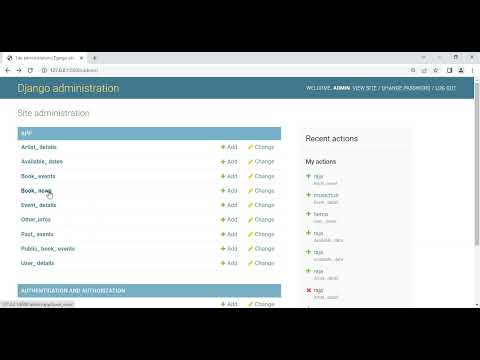
Music Event Booking App in Django Python
Music Event Booking App in Django Python
र 1000
⭐ Featured
Django Projects
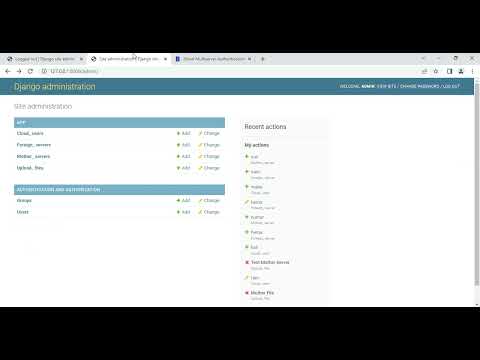
Multi Server Management System in Django Python
Multi Server Management System in Django Python
र 1000
⭐ Featured

Django Projects
Multi Authority Access Control in Django Python
Multi Authority Access Control in Django Python
र 1000