AI & ML Models
0.0 (0 reviews) • 0 downloads
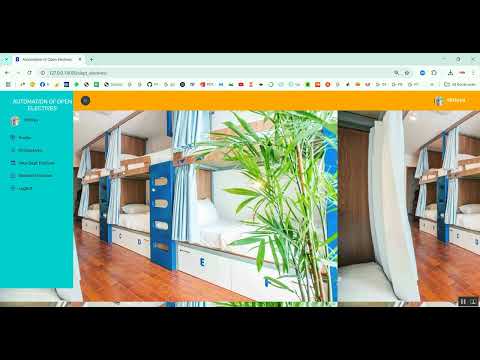
Automatic of Open Electives on Paper in Python Projects
Automatic of Open Electives on Paper in Python Projects
Technical Details
Domain : Python
Database : Sqlite
Tools : Anaconda
Run Tools: VS Code
Database : Sqlite
Tools : Anaconda
Run Tools: VS Code
Secure Payment
Instant Download
GST Invoice
24/7 Support
About This Product
Automatic of Open Electives on Paper in Python Projects
Abstract
Selecting open electives is an essential part of academic planning for students, but manual allocation often leads to conflicts, inefficiencies, and dissatisfaction due to limited seat availability and overlapping preferences. The project titled Automatic Open Electives Allocation on Paper in Python Projects aims to develop an intelligent system that automates the allocation of open electives based on student preferences, seat availability, and institutional constraints. Python is used as the development platform because of its flexibility and strong libraries for data handling, optimization, and GUI development, including Pandas, NumPy, Tkinter, and Pyomo. The system gathers student choices, applies allocation algorithms such as the Gale-Shapley matching algorithm or optimization techniques, and generates a conflict-free timetable. This automated approach reduces manual workload, ensures fairness, and provides a transparent allocation process that maximizes student satisfaction while adhering to institutional rules.
Existing System
In the existing system, open electives are typically allocated manually using paper-based forms where students write their preferences. Faculty or administrative staff then manually process these forms to assign courses based on seat availability, often resulting in errors, conflicts, and delays. Manual processing is time-consuming, especially in large institutions, and students may not receive their preferred courses due to human error or lack of systematic allocation. The system also lacks real-time conflict checking, automated seat balancing, or priority handling for electives with limited availability. Furthermore, manual systems provide no efficient way to store historical data or generate reports for auditing purposes. Overall, this approach is inefficient, prone to mistakes, and fails to optimize student satisfaction.
Proposed System
The proposed system introduces an automated Python-based framework for open elective allocation that reduces manual effort and enhances fairness. The system first collects student preferences through a digital form or spreadsheet and validates them for correctness. Seat availability, course constraints, and student priorities are taken into account during allocation. Optimization algorithms, such as the Gale-Shapley stable matching, integer linear programming, or heuristic-based methods, are applied to generate a conflict-free allocation that maximizes overall student satisfaction. The system uses Python libraries like Pandas for data processing, NumPy for numerical computations, and Pyomo or SciPy for optimization modeling. A Tkinter or web-based GUI allows administrators to input preferences, monitor allocation progress, and export the final schedule. The proposed approach ensures transparent, fast, and accurate allocation, reduces administrative workload, and can be extended to accommodate multiple semesters, course prerequisites, or dynamic seat adjustments.
Abstract
Selecting open electives is an essential part of academic planning for students, but manual allocation often leads to conflicts, inefficiencies, and dissatisfaction due to limited seat availability and overlapping preferences. The project titled Automatic Open Electives Allocation on Paper in Python Projects aims to develop an intelligent system that automates the allocation of open electives based on student preferences, seat availability, and institutional constraints. Python is used as the development platform because of its flexibility and strong libraries for data handling, optimization, and GUI development, including Pandas, NumPy, Tkinter, and Pyomo. The system gathers student choices, applies allocation algorithms such as the Gale-Shapley matching algorithm or optimization techniques, and generates a conflict-free timetable. This automated approach reduces manual workload, ensures fairness, and provides a transparent allocation process that maximizes student satisfaction while adhering to institutional rules.
Existing System
In the existing system, open electives are typically allocated manually using paper-based forms where students write their preferences. Faculty or administrative staff then manually process these forms to assign courses based on seat availability, often resulting in errors, conflicts, and delays. Manual processing is time-consuming, especially in large institutions, and students may not receive their preferred courses due to human error or lack of systematic allocation. The system also lacks real-time conflict checking, automated seat balancing, or priority handling for electives with limited availability. Furthermore, manual systems provide no efficient way to store historical data or generate reports for auditing purposes. Overall, this approach is inefficient, prone to mistakes, and fails to optimize student satisfaction.
Proposed System
The proposed system introduces an automated Python-based framework for open elective allocation that reduces manual effort and enhances fairness. The system first collects student preferences through a digital form or spreadsheet and validates them for correctness. Seat availability, course constraints, and student priorities are taken into account during allocation. Optimization algorithms, such as the Gale-Shapley stable matching, integer linear programming, or heuristic-based methods, are applied to generate a conflict-free allocation that maximizes overall student satisfaction. The system uses Python libraries like Pandas for data processing, NumPy for numerical computations, and Pyomo or SciPy for optimization modeling. A Tkinter or web-based GUI allows administrators to input preferences, monitor allocation progress, and export the final schedule. The proposed approach ensures transparent, fast, and accurate allocation, reduces administrative workload, and can be extended to accommodate multiple semesters, course prerequisites, or dynamic seat adjustments.
Customer Reviews (0)
No reviews yet. Be the first!
Related Products
⭐ Featured
AI & ML Models
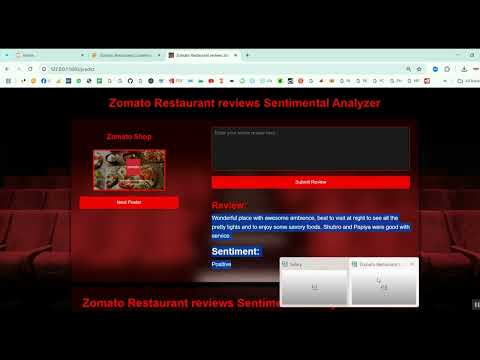
Zomato Restaurant Reviews Sentimental Analyzer in Python Projects
Zomato Restaurant Reviews Sentimental Analyzer in Python Projects
र 1000
⭐ Featured
⭐ Featured
AI & ML Models
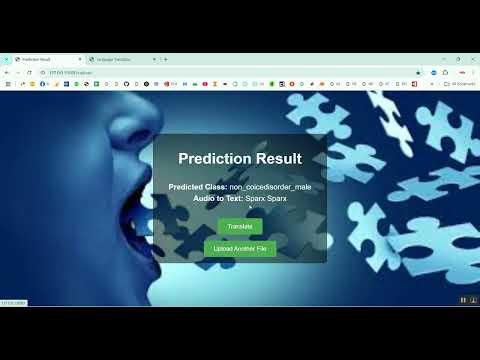
Voice Disorder Prediction using Audio Dataset in Python Projects
Voice Disorder Prediction using Audio Dataset in Python Projects
र 1000
AI & ML Models
Vitamin Deficiency Detection Using Image Processing in Python Projects
Vitamin Deficiency Detection Using Image Processing in Python Projects
र 1000