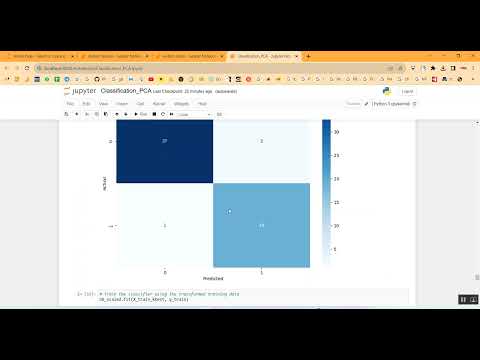
AI & ML Models
0.0 (0 reviews) • 0 downloads
Autism Meltdown in Python Projects
र 1000
Autism Meltdown in Python Projects
Technical Details
Domain : Python
Database : Sqlite
Tools : Anaconda
Run Tools: VS Code
Database : Sqlite
Tools : Anaconda
Run Tools: VS Code
Secure Payment
Instant Download
GST Invoice
24/7 Support
About This Product
Autism Meltdown in Python Projects
Abstract
Autism Spectrum Disorder (ASD) is often associated with behavioral challenges such as meltdowns, which are intense emotional outbursts triggered by sensory overload, stress, or communication difficulties. Early detection and prediction of meltdowns can help caregivers and educators provide timely support, reducing distress for individuals with autism. This project, Autism Meltdown Analysis and Prediction in Python, focuses on developing a system that analyzes behavioral, physiological, and environmental data to recognize early signs of meltdowns. Using Python-based machine learning models, the system processes datasets containing features such as emotional states, activity logs, environmental conditions, and sensory inputs. Libraries such as Pandas, NumPy, Scikit-learn, TensorFlow/Keras, and Matplotlib are used for data preprocessing, visualization, training, and evaluation. The goal is to provide an intelligent, data-driven solution to assist in predicting and managing autism meltdowns effectively.
Existing System
Currently, meltdown detection and management in autism rely heavily on manual observation by parents, teachers, or therapists. While effective in controlled environments, this approach is subjective, reactive, and inconsistent. Some systems exist for general emotion recognition using facial expression or speech analysis, but they are not specifically tailored to autism-related meltdowns. Moreover, most existing approaches lack real-time predictive capabilities and depend on post-event analysis rather than proactive intervention. This limits the ability to prevent meltdowns and provide timely support to individuals on the autism spectrum.
Proposed System
The proposed system introduces an automated meltdown prediction and detection model designed specifically for individuals with autism. Using behavioral and environmental datasets, the system trains a machine learning/deep learning model (e.g., Random Forest, LSTM, or CNN-LSTM hybrid) to recognize patterns leading up to meltdowns. Preprocessing includes handling missing data, normalizing values, and applying feature engineering to identify relevant signals. The system provides real-time monitoring and prediction, alerting caregivers before a meltdown occurs so that calming strategies can be implemented. Compared to existing systems, this solution offers data-driven, proactive, and personalized support, making it a valuable tool for autism therapy, special education, and caregiver assistance.
Abstract
Autism Spectrum Disorder (ASD) is often associated with behavioral challenges such as meltdowns, which are intense emotional outbursts triggered by sensory overload, stress, or communication difficulties. Early detection and prediction of meltdowns can help caregivers and educators provide timely support, reducing distress for individuals with autism. This project, Autism Meltdown Analysis and Prediction in Python, focuses on developing a system that analyzes behavioral, physiological, and environmental data to recognize early signs of meltdowns. Using Python-based machine learning models, the system processes datasets containing features such as emotional states, activity logs, environmental conditions, and sensory inputs. Libraries such as Pandas, NumPy, Scikit-learn, TensorFlow/Keras, and Matplotlib are used for data preprocessing, visualization, training, and evaluation. The goal is to provide an intelligent, data-driven solution to assist in predicting and managing autism meltdowns effectively.
Existing System
Currently, meltdown detection and management in autism rely heavily on manual observation by parents, teachers, or therapists. While effective in controlled environments, this approach is subjective, reactive, and inconsistent. Some systems exist for general emotion recognition using facial expression or speech analysis, but they are not specifically tailored to autism-related meltdowns. Moreover, most existing approaches lack real-time predictive capabilities and depend on post-event analysis rather than proactive intervention. This limits the ability to prevent meltdowns and provide timely support to individuals on the autism spectrum.
Proposed System
The proposed system introduces an automated meltdown prediction and detection model designed specifically for individuals with autism. Using behavioral and environmental datasets, the system trains a machine learning/deep learning model (e.g., Random Forest, LSTM, or CNN-LSTM hybrid) to recognize patterns leading up to meltdowns. Preprocessing includes handling missing data, normalizing values, and applying feature engineering to identify relevant signals. The system provides real-time monitoring and prediction, alerting caregivers before a meltdown occurs so that calming strategies can be implemented. Compared to existing systems, this solution offers data-driven, proactive, and personalized support, making it a valuable tool for autism therapy, special education, and caregiver assistance.
Customer Reviews (0)
No reviews yet. Be the first!
Related Products
⭐ Featured
AI & ML Models
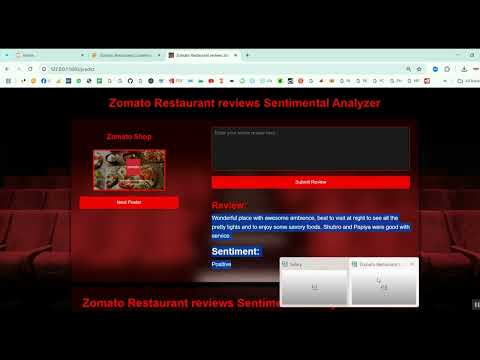
Zomato Restaurant Reviews Sentimental Analyzer in Python Projects
Zomato Restaurant Reviews Sentimental Analyzer in Python Projects
र 1000
⭐ Featured
⭐ Featured
AI & ML Models
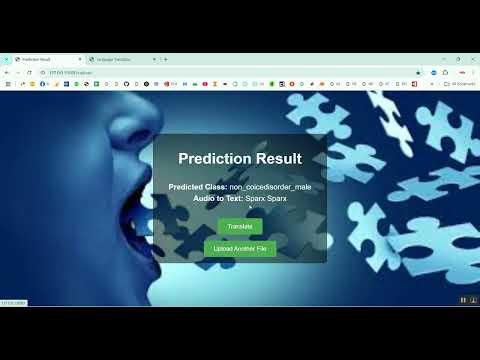
Voice Disorder Prediction using Audio Dataset in Python Projects
Voice Disorder Prediction using Audio Dataset in Python Projects
र 1000
AI & ML Models
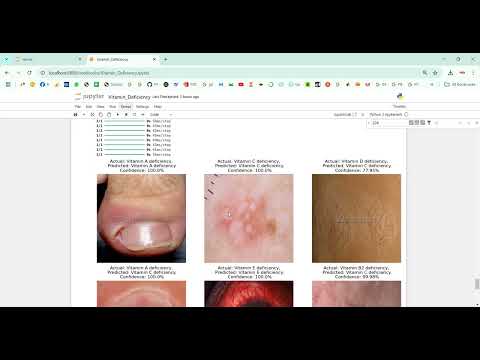
Vitamin Deficiency Detection Using Image Processing in Python Projects
Vitamin Deficiency Detection Using Image Processing in Python Projects
र 1000