AI & ML Models
0.0 (0 reviews) • 0 downloads
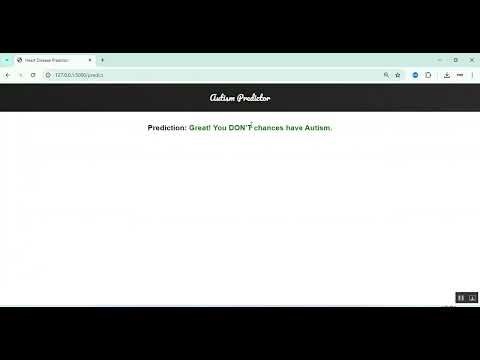
Autism Classication Predictor in Python Projects
र 1000
Autism Classication Predictor in Python Projects
Technical Details
Domain : Python
Database : Sqlite
Tools : Anaconda
Run Tools: VS Code
Database : Sqlite
Tools : Anaconda
Run Tools: VS Code
Secure Payment
Instant Download
GST Invoice
24/7 Support
About This Product
Autism Classication Predictor in Python Projects
Abstract
Autism Spectrum Disorder (ASD) is a complex neurodevelopmental condition that affects social interaction, communication, and behavior. Early detection is critical for effective intervention and support. This project presents an Autism Classification Predictor using Python, which applies machine learning techniques to classify individuals as having autism or not based on behavioral, demographic, and clinical data. The system utilizes datasets such as the Autism Screening Data (ASD datasets) and applies preprocessing steps like normalization, handling missing values, and feature selection. Classification algorithms such as Random Forest, Support Vector Machine (SVM), and Logistic Regression are employed for prediction. Python libraries including Pandas, NumPy, Scikit-learn, and Matplotlib are used for data processing, model training, and evaluation. This system provides a reliable, data-driven approach to support early screening and assist healthcare professionals in autism diagnosis.
Existing System
In existing systems, autism detection relies heavily on clinical evaluation and manual screening using standardized questionnaires like the ADOS (Autism Diagnostic Observation Schedule) or ADI-R (Autism Diagnostic Interview-Revised). These methods are time-consuming, subjective, and require trained specialists, making early diagnosis challenging in resource-limited settings. Some computer-based systems and statistical models exist, but they often depend on small datasets or basic classification methods, which limit accuracy and generalization. Existing systems may not provide automated predictions, real-time analysis, or insights from complex multi-feature data, reducing their usefulness for large-scale screening or early intervention programs.
Proposed System
The proposed system introduces a Python-based autism classification framework that automates prediction using machine learning. The system preprocesses datasets by handling missing values, encoding categorical features, and normalizing numerical data. Feature selection methods are applied to identify the most significant attributes influencing autism diagnosis. Machine learning models such as Random Forest, SVM, and Logistic Regression are trained on the processed data, and model performance is evaluated using accuracy, precision, recall, F1-score, and confusion matrix metrics. The system can be implemented with a simple Flask or Streamlit interface, allowing users to input relevant features and obtain a real-time prediction of autism risk. By automating analysis and leveraging data-driven methods, the system supports early detection, reduces diagnostic effort, and enhances accessibility for healthcare providers and caregivers.
Abstract
Autism Spectrum Disorder (ASD) is a complex neurodevelopmental condition that affects social interaction, communication, and behavior. Early detection is critical for effective intervention and support. This project presents an Autism Classification Predictor using Python, which applies machine learning techniques to classify individuals as having autism or not based on behavioral, demographic, and clinical data. The system utilizes datasets such as the Autism Screening Data (ASD datasets) and applies preprocessing steps like normalization, handling missing values, and feature selection. Classification algorithms such as Random Forest, Support Vector Machine (SVM), and Logistic Regression are employed for prediction. Python libraries including Pandas, NumPy, Scikit-learn, and Matplotlib are used for data processing, model training, and evaluation. This system provides a reliable, data-driven approach to support early screening and assist healthcare professionals in autism diagnosis.
Existing System
In existing systems, autism detection relies heavily on clinical evaluation and manual screening using standardized questionnaires like the ADOS (Autism Diagnostic Observation Schedule) or ADI-R (Autism Diagnostic Interview-Revised). These methods are time-consuming, subjective, and require trained specialists, making early diagnosis challenging in resource-limited settings. Some computer-based systems and statistical models exist, but they often depend on small datasets or basic classification methods, which limit accuracy and generalization. Existing systems may not provide automated predictions, real-time analysis, or insights from complex multi-feature data, reducing their usefulness for large-scale screening or early intervention programs.
Proposed System
The proposed system introduces a Python-based autism classification framework that automates prediction using machine learning. The system preprocesses datasets by handling missing values, encoding categorical features, and normalizing numerical data. Feature selection methods are applied to identify the most significant attributes influencing autism diagnosis. Machine learning models such as Random Forest, SVM, and Logistic Regression are trained on the processed data, and model performance is evaluated using accuracy, precision, recall, F1-score, and confusion matrix metrics. The system can be implemented with a simple Flask or Streamlit interface, allowing users to input relevant features and obtain a real-time prediction of autism risk. By automating analysis and leveraging data-driven methods, the system supports early detection, reduces diagnostic effort, and enhances accessibility for healthcare providers and caregivers.
Customer Reviews (0)
No reviews yet. Be the first!
Related Products
⭐ Featured
AI & ML Models
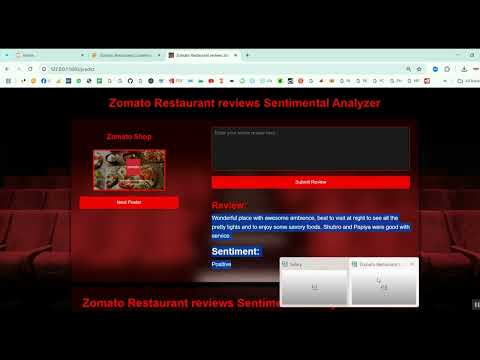
Zomato Restaurant Reviews Sentimental Analyzer in Python Projects
Zomato Restaurant Reviews Sentimental Analyzer in Python Projects
र 1000
⭐ Featured
⭐ Featured
AI & ML Models
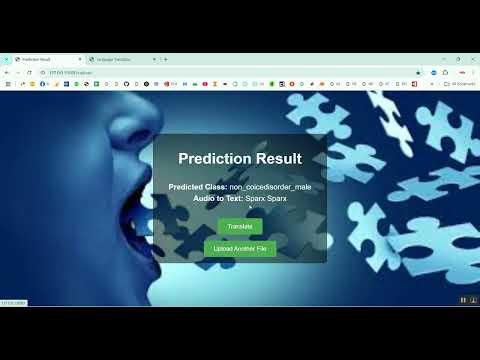
Voice Disorder Prediction using Audio Dataset in Python Projects
Voice Disorder Prediction using Audio Dataset in Python Projects
र 1000
AI & ML Models
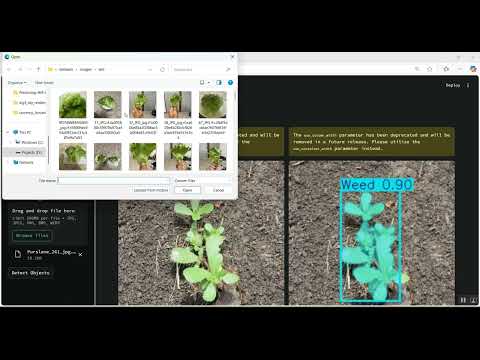
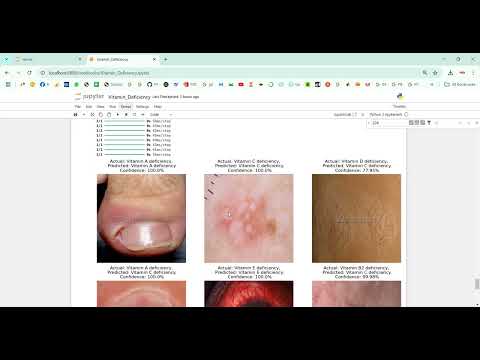
Vitamin Deficiency Detection Using Image Processing in Python Projects
Vitamin Deficiency Detection Using Image Processing in Python Projects
र 1000