AI & ML Models
0.0 (0 reviews) • 0 downloads
Attendance Monitoring System in Python Projects
र 1000
Attendance Monitoring System in Python Projects
Technical Details
Domain : Python
Database : Sqlite
Tools : Anaconda
Run Tools: VS Code
Database : Sqlite
Tools : Anaconda
Run Tools: VS Code
Secure Payment
Instant Download
GST Invoice
24/7 Support
About This Product
Attendance Monitoring System in Python Projects
Abstract
Maintaining accurate attendance records is a critical task in educational institutions and workplaces, impacting performance evaluation, payroll, and overall management. This project presents an Attendance Monitoring System using Python, which automates attendance tracking by leveraging facial recognition, RFID scanning, or manual entry data. The system captures attendance in real-time, stores it securely, and generates reports for students or employees. Python libraries such as OpenCV, face_recognition, Pandas, NumPy, and Tkinter/Streamlit are used for image processing, data handling, and user interface development. The system reduces manual effort, prevents fraudulent attendance marking, and ensures efficient and reliable tracking of participant presence over time.
Existing System
In the existing system, attendance is usually recorded manually through paper-based registers or sign-in sheets. This method is time-consuming, prone to human error, and lacks real-time tracking. In some cases, basic digital systems like Excel spreadsheets or RFID scanners are used, but these methods often do not integrate automated analysis, reporting, or verification features. Manual and semi-automated systems make it difficult to monitor attendance for large groups, detect anomalies such as proxy attendance, or generate instant attendance summaries for teachers, administrators, or managers. As a result, maintaining accurate and efficient records becomes challenging, especially in large organizations or institutions.
Proposed System
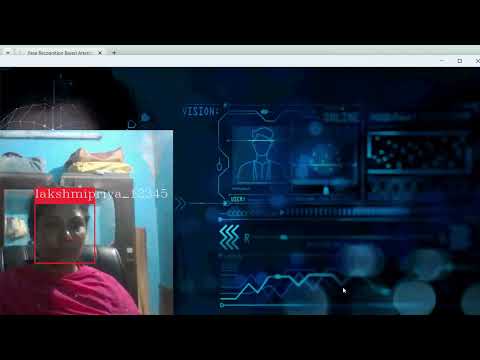
The proposed system introduces a Python-based automated attendance monitoring solution that leverages advanced technologies such as facial recognition or RFID-based identification. The system captures the faces of students or employees in real-time using a webcam, extracts facial features, and matches them against a pre-registered database using OpenCV and face_recognition libraries. Attendance is automatically logged into a database using Pandas/SQLite, and daily, weekly, or monthly reports can be generated and exported in Excel or PDF format. The system can include a Streamlit or Tkinter-based dashboard to visualize attendance statistics, mark anomalies, and provide alerts for absent participants. By automating attendance tracking, the system improves accuracy, reduces administrative workload, prevents proxy attendance, and enables scalable monitoring for classrooms or corporate environments.
Abstract
Maintaining accurate attendance records is a critical task in educational institutions and workplaces, impacting performance evaluation, payroll, and overall management. This project presents an Attendance Monitoring System using Python, which automates attendance tracking by leveraging facial recognition, RFID scanning, or manual entry data. The system captures attendance in real-time, stores it securely, and generates reports for students or employees. Python libraries such as OpenCV, face_recognition, Pandas, NumPy, and Tkinter/Streamlit are used for image processing, data handling, and user interface development. The system reduces manual effort, prevents fraudulent attendance marking, and ensures efficient and reliable tracking of participant presence over time.
Existing System
In the existing system, attendance is usually recorded manually through paper-based registers or sign-in sheets. This method is time-consuming, prone to human error, and lacks real-time tracking. In some cases, basic digital systems like Excel spreadsheets or RFID scanners are used, but these methods often do not integrate automated analysis, reporting, or verification features. Manual and semi-automated systems make it difficult to monitor attendance for large groups, detect anomalies such as proxy attendance, or generate instant attendance summaries for teachers, administrators, or managers. As a result, maintaining accurate and efficient records becomes challenging, especially in large organizations or institutions.
Proposed System
The proposed system introduces a Python-based automated attendance monitoring solution that leverages advanced technologies such as facial recognition or RFID-based identification. The system captures the faces of students or employees in real-time using a webcam, extracts facial features, and matches them against a pre-registered database using OpenCV and face_recognition libraries. Attendance is automatically logged into a database using Pandas/SQLite, and daily, weekly, or monthly reports can be generated and exported in Excel or PDF format. The system can include a Streamlit or Tkinter-based dashboard to visualize attendance statistics, mark anomalies, and provide alerts for absent participants. By automating attendance tracking, the system improves accuracy, reduces administrative workload, prevents proxy attendance, and enables scalable monitoring for classrooms or corporate environments.
Customer Reviews (0)
No reviews yet. Be the first!
Related Products
⭐ Featured
AI & ML Models
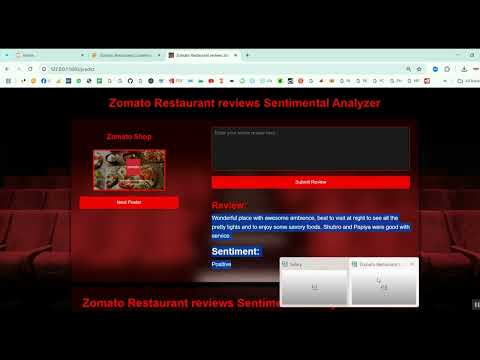
Zomato Restaurant Reviews Sentimental Analyzer in Python Projects
Zomato Restaurant Reviews Sentimental Analyzer in Python Projects
र 1000
⭐ Featured
⭐ Featured

AI & ML Models
Voice Disorder Prediction using Audio Dataset in Python Projects
Voice Disorder Prediction using Audio Dataset in Python Projects
र 1000

AI & ML Models
Vitamin Deficiency Detection Using Image Processing in Python Projects
Vitamin Deficiency Detection Using Image Processing in Python Projects
र 1000