AI & ML Models
0.0 (0 reviews) • 0 downloads
Anxiety Children Quiz App Flask in Python Projects
र 1000
Anxiety Children Quiz App Flask in Python Projects
Technical Details
Domain : Python
Database : Sqlite
Tools : Anaconda
Run Tools: VS Code
Database : Sqlite
Tools : Anaconda
Run Tools: VS Code
Secure Payment
Instant Download
GST Invoice
24/7 Support
About This Product
Anxiety Children Quiz App Flask in Python Projects
Abstract
Mental health issues such as anxiety in children are becoming increasingly common due to academic pressure, social challenges, and lifestyle changes. Early detection and management are essential to prevent long-term psychological impacts. This project, Anxiety Children Quiz App using Flask in Python, aims to develop a web-based application that allows children to take interactive quizzes designed to assess anxiety levels. Based on the responses, the system categorizes the child’s anxiety as low, moderate, or high. Python libraries like Flask, Pandas, and Scikit-learn are used to build the backend, while the frontend provides a child-friendly interface for quiz interaction. The app can also provide recommendations or coping strategies for children, parents, and educators to support emotional well-being.
Existing System
Currently, anxiety detection in children relies mainly on manual clinical questionnaires conducted by psychologists or teachers. While effective, this process is often time-consuming, requires professional involvement, and may not always be accessible to parents or schools. Many existing quiz systems are generic mental health tests not specifically tailored for children. Additionally, traditional methods lack automation and cannot provide real-time feedback or track progress over time. This limits early detection and continuous monitoring of anxiety levels in young children.
Proposed System
The proposed system introduces a Flask-based web application that automates the process of assessing anxiety in children. The system presents an age-appropriate quiz with multiple-choice questions covering behavioral, emotional, and social aspects. The responses are processed using rule-based scoring or machine learning models trained on psychological datasets. The app then generates an instant report showing the child’s anxiety level (low, moderate, or high) along with helpful recommendations such as relaxation techniques, counseling suggestions, or parental guidance. Unlike existing systems, this approach provides automation, accessibility, and child-friendly interactivity. Additionally, parents or teachers can use the system periodically to track changes in a child’s anxiety levels over time.
Abstract
Mental health issues such as anxiety in children are becoming increasingly common due to academic pressure, social challenges, and lifestyle changes. Early detection and management are essential to prevent long-term psychological impacts. This project, Anxiety Children Quiz App using Flask in Python, aims to develop a web-based application that allows children to take interactive quizzes designed to assess anxiety levels. Based on the responses, the system categorizes the child’s anxiety as low, moderate, or high. Python libraries like Flask, Pandas, and Scikit-learn are used to build the backend, while the frontend provides a child-friendly interface for quiz interaction. The app can also provide recommendations or coping strategies for children, parents, and educators to support emotional well-being.
Existing System
Currently, anxiety detection in children relies mainly on manual clinical questionnaires conducted by psychologists or teachers. While effective, this process is often time-consuming, requires professional involvement, and may not always be accessible to parents or schools. Many existing quiz systems are generic mental health tests not specifically tailored for children. Additionally, traditional methods lack automation and cannot provide real-time feedback or track progress over time. This limits early detection and continuous monitoring of anxiety levels in young children.
Proposed System
The proposed system introduces a Flask-based web application that automates the process of assessing anxiety in children. The system presents an age-appropriate quiz with multiple-choice questions covering behavioral, emotional, and social aspects. The responses are processed using rule-based scoring or machine learning models trained on psychological datasets. The app then generates an instant report showing the child’s anxiety level (low, moderate, or high) along with helpful recommendations such as relaxation techniques, counseling suggestions, or parental guidance. Unlike existing systems, this approach provides automation, accessibility, and child-friendly interactivity. Additionally, parents or teachers can use the system periodically to track changes in a child’s anxiety levels over time.
Customer Reviews (0)
No reviews yet. Be the first!
Related Products
⭐ Featured
AI & ML Models
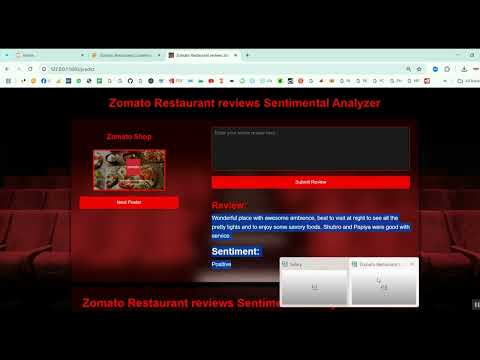
Zomato Restaurant Reviews Sentimental Analyzer in Python Projects
Zomato Restaurant Reviews Sentimental Analyzer in Python Projects
र 1000
⭐ Featured
⭐ Featured
AI & ML Models
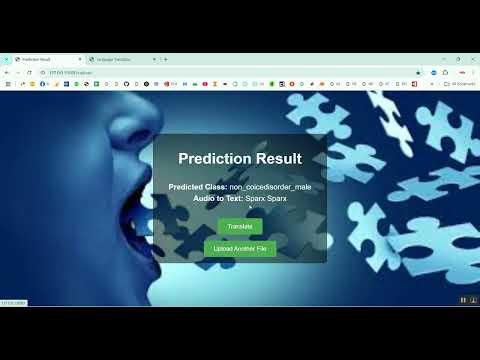
Voice Disorder Prediction using Audio Dataset in Python Projects
Voice Disorder Prediction using Audio Dataset in Python Projects
र 1000
AI & ML Models
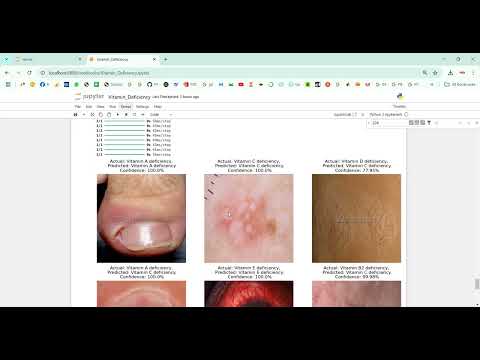
Vitamin Deficiency Detection Using Image Processing in Python Projects
Vitamin Deficiency Detection Using Image Processing in Python Projects
र 1000