AI & ML Models
0.0 (0 reviews) • 0 downloads
Android Malware Detection Streamlit in Python Projects
र 1000
Android Malware Detection Streamlit in Python Projects
Technical Details
Domain : Python
Database : Sqlite
Tools : Anaconda
Run Tools: VS Code
Database : Sqlite
Tools : Anaconda
Run Tools: VS Code
Secure Payment
Instant Download
GST Invoice
24/7 Support
About This Product
Android Malware Detection Streamlit in Python Projects
Abstract
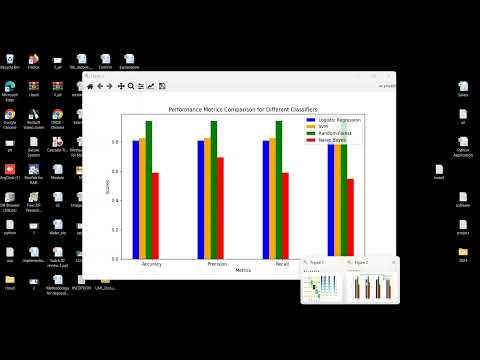
The rapid growth of Android applications has been accompanied by an increase in malware threats that compromise device security and user privacy. This project presents an Android Malware Detection system using Python and Streamlit, which automates the process of identifying malicious applications based on static features extracted from APK files. Features such as requested permissions, API calls, and manifest components are analyzed using machine learning algorithms like Random Forest, Support Vector Machine (SVM), or Logistic Regression. Python libraries including Pandas, NumPy, Scikit-learn, and TensorFlow/Keras are used for data preprocessing, model training, and evaluation. The system leverages Streamlit to provide a user-friendly web interface, enabling users to upload APK feature summaries, perform real-time malware detection, and visualize results interactively. This approach enhances mobile security by offering a scalable, accessible, and efficient solution for detecting Android malware.
Existing System
Existing Android malware detection systems rely heavily on signature-based antivirus solutions and rule-based heuristics. These methods are only effective for previously known malware and fail against zero-day attacks or obfuscated applications. Some machine learning-based approaches exist, but they often require complex feature engineering and do not provide interactive platforms for end users. Additionally, current systems typically provide static results without real-time visualization or analysis, making it difficult for analysts or developers to quickly interpret outcomes. The lack of web-based accessibility, interactivity, and automated analysis reduces efficiency and slows down response to emerging malware threats.
Proposed System
The proposed system introduces a Python and Streamlit-based Android Malware Detection platform that integrates machine learning with an interactive web interface. APK files are analyzed to extract static features including permissions, API calls, and manifest attributes, which are preprocessed and fed into trained classifiers like Random Forest, SVM, or Logistic Regression. The system provides real-time predictions indicating whether an app is benign or malicious, along with visualization of feature importance and anomaly scores. Streamlit is used to create an intuitive web dashboard, allowing users to upload APK feature files, view detection results, and explore interactive charts that highlight patterns in malicious applications. This automated, user-friendly, and scalable system improves malware detection efficiency, enhances interpretability for security analysts, and facilitates proactive mobile security management.
Abstract
The rapid growth of Android applications has been accompanied by an increase in malware threats that compromise device security and user privacy. This project presents an Android Malware Detection system using Python and Streamlit, which automates the process of identifying malicious applications based on static features extracted from APK files. Features such as requested permissions, API calls, and manifest components are analyzed using machine learning algorithms like Random Forest, Support Vector Machine (SVM), or Logistic Regression. Python libraries including Pandas, NumPy, Scikit-learn, and TensorFlow/Keras are used for data preprocessing, model training, and evaluation. The system leverages Streamlit to provide a user-friendly web interface, enabling users to upload APK feature summaries, perform real-time malware detection, and visualize results interactively. This approach enhances mobile security by offering a scalable, accessible, and efficient solution for detecting Android malware.
Existing System
Existing Android malware detection systems rely heavily on signature-based antivirus solutions and rule-based heuristics. These methods are only effective for previously known malware and fail against zero-day attacks or obfuscated applications. Some machine learning-based approaches exist, but they often require complex feature engineering and do not provide interactive platforms for end users. Additionally, current systems typically provide static results without real-time visualization or analysis, making it difficult for analysts or developers to quickly interpret outcomes. The lack of web-based accessibility, interactivity, and automated analysis reduces efficiency and slows down response to emerging malware threats.
Proposed System
The proposed system introduces a Python and Streamlit-based Android Malware Detection platform that integrates machine learning with an interactive web interface. APK files are analyzed to extract static features including permissions, API calls, and manifest attributes, which are preprocessed and fed into trained classifiers like Random Forest, SVM, or Logistic Regression. The system provides real-time predictions indicating whether an app is benign or malicious, along with visualization of feature importance and anomaly scores. Streamlit is used to create an intuitive web dashboard, allowing users to upload APK feature files, view detection results, and explore interactive charts that highlight patterns in malicious applications. This automated, user-friendly, and scalable system improves malware detection efficiency, enhances interpretability for security analysts, and facilitates proactive mobile security management.
Customer Reviews (0)
No reviews yet. Be the first!
Related Products
⭐ Featured
AI & ML Models
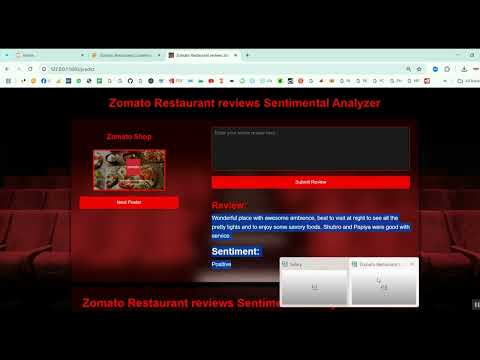
Zomato Restaurant Reviews Sentimental Analyzer in Python Projects
Zomato Restaurant Reviews Sentimental Analyzer in Python Projects
र 1000
⭐ Featured
⭐ Featured
AI & ML Models
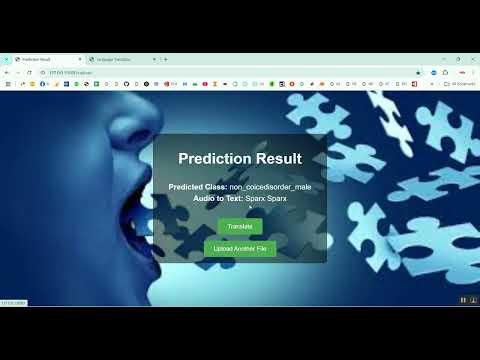
Voice Disorder Prediction using Audio Dataset in Python Projects
Voice Disorder Prediction using Audio Dataset in Python Projects
र 1000
AI & ML Models
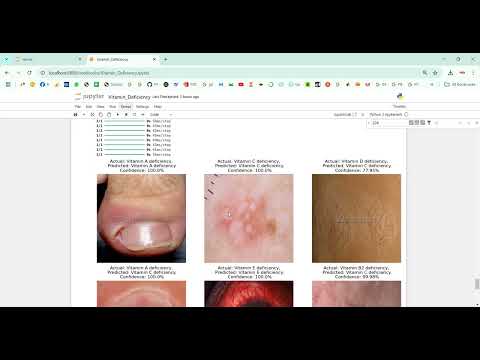
Vitamin Deficiency Detection Using Image Processing in Python Projects
Vitamin Deficiency Detection Using Image Processing in Python Projects
र 1000