AI & ML Models
0.0 (0 reviews) • 0 downloads
5G Congestion Control Prediction in Python Projects
र 1000
5G Congestion Control Prediction in Python Projects
Technical Details
Domain : Python
Database : Sqlite
Tools : Anaconda
Run Tools: VS Code
Database : Sqlite
Tools : Anaconda
Run Tools: VS Code
Secure Payment
Instant Download
GST Invoice
24/7 Support
About This Product
5G Congestion Control Prediction in Python Projects
Abstract
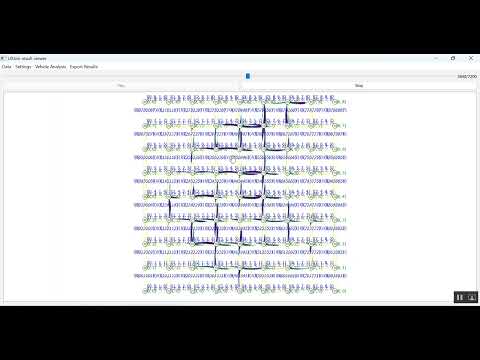
With the rapid growth of connected devices and data-intensive applications, 5G networks face significant challenges in network congestion and traffic management. Congestion can severely affect network performance by increasing latency, reducing throughput, and degrading user experience. This project presents a Python-based 5G Congestion Control Prediction system that leverages machine learning techniques to analyze network traffic patterns and predict congestion before it occurs. The system uses historical network traffic data, user mobility patterns, and bandwidth utilization metrics to build a predictive model. By forecasting congestion proactively, the system enables network operators to optimize resource allocation and improve Quality of Service (QoS) in 5G environments.
Existing System
Traditional congestion control methods in telecommunication networks rely on reactive strategies, where action is taken only after congestion has already occurred. These methods depend on threshold-based techniques or static resource allocation policies, which fail to adapt to dynamic traffic fluctuations in 5G networks. Existing solutions lack the ability to analyze large-scale traffic data in real time and cannot predict congestion proactively. As a result, network performance is compromised during peak traffic periods, leading to dropped packets, increased latency, and reduced user satisfaction. Traditional systems also lack intelligent decision-making capabilities required for next-generation network management.
Proposed System
The proposed system introduces an intelligent machine learning-based congestion prediction model for 5G networks using Python. Network traffic data is preprocessed to extract key features such as data flow rate, latency, packet loss, and user density. Machine learning models such as Random Forest, Support Vector Machines (SVM), and Gradient Boosting are trained to identify patterns leading to congestion. The system also supports real-time prediction using time-series models like LSTM for sequential data analysis. Python libraries such as Pandas, NumPy, Scikit-learn, and TensorFlow are used for data processing, feature extraction, and model training. By providing early congestion warnings, the system allows proactive load balancing, bandwidth allocation, and traffic rerouting to maintain optimal network performance in 5G environments. This predictive approach enhances network efficiency, reduces congestion risks, and improves overall user experience.
Abstract
With the rapid growth of connected devices and data-intensive applications, 5G networks face significant challenges in network congestion and traffic management. Congestion can severely affect network performance by increasing latency, reducing throughput, and degrading user experience. This project presents a Python-based 5G Congestion Control Prediction system that leverages machine learning techniques to analyze network traffic patterns and predict congestion before it occurs. The system uses historical network traffic data, user mobility patterns, and bandwidth utilization metrics to build a predictive model. By forecasting congestion proactively, the system enables network operators to optimize resource allocation and improve Quality of Service (QoS) in 5G environments.
Existing System
Traditional congestion control methods in telecommunication networks rely on reactive strategies, where action is taken only after congestion has already occurred. These methods depend on threshold-based techniques or static resource allocation policies, which fail to adapt to dynamic traffic fluctuations in 5G networks. Existing solutions lack the ability to analyze large-scale traffic data in real time and cannot predict congestion proactively. As a result, network performance is compromised during peak traffic periods, leading to dropped packets, increased latency, and reduced user satisfaction. Traditional systems also lack intelligent decision-making capabilities required for next-generation network management.
Proposed System
The proposed system introduces an intelligent machine learning-based congestion prediction model for 5G networks using Python. Network traffic data is preprocessed to extract key features such as data flow rate, latency, packet loss, and user density. Machine learning models such as Random Forest, Support Vector Machines (SVM), and Gradient Boosting are trained to identify patterns leading to congestion. The system also supports real-time prediction using time-series models like LSTM for sequential data analysis. Python libraries such as Pandas, NumPy, Scikit-learn, and TensorFlow are used for data processing, feature extraction, and model training. By providing early congestion warnings, the system allows proactive load balancing, bandwidth allocation, and traffic rerouting to maintain optimal network performance in 5G environments. This predictive approach enhances network efficiency, reduces congestion risks, and improves overall user experience.
Customer Reviews (0)
No reviews yet. Be the first!
Related Products
⭐ Featured
AI & ML Models
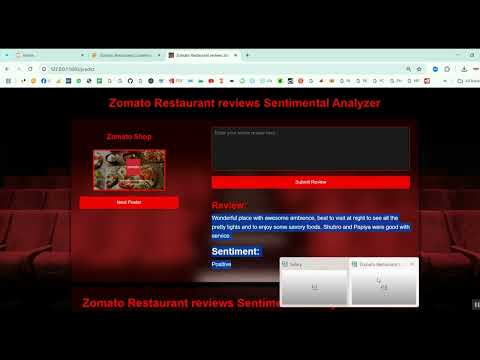
Zomato Restaurant Reviews Sentimental Analyzer in Python Projects
Zomato Restaurant Reviews Sentimental Analyzer in Python Projects
र 1000
⭐ Featured
⭐ Featured

AI & ML Models
Voice Disorder Prediction using Audio Dataset in Python Projects
Voice Disorder Prediction using Audio Dataset in Python Projects
र 1000

AI & ML Models
Vitamin Deficiency Detection Using Image Processing in Python Projects
Vitamin Deficiency Detection Using Image Processing in Python Projects
र 1000