AI & ML Models
0.0 (0 reviews) • 0 downloads
Legal Agreement in Python Projects
र 1000
Legal Agreement in Python Projects
Technical Details
Domain : Python
Database : Sqlite
Tools : Anaconda
Run Tools: VS Code
Database : Sqlite
Tools : Anaconda
Run Tools: VS Code
Secure Payment
Instant Download
GST Invoice
24/7 Support
About This Product
Legal Agreement in Python Projects
Abstract
Legal agreements are critical documents in business, law, and governance, outlining obligations, rights, and responsibilities of parties involved. The project “Legal Agreement in Python” focuses on developing an intelligent system that automates the creation, analysis, and management of legal agreements using Python. The system uses natural language processing (NLP) techniques to parse, interpret, and extract key clauses and terms from legal texts. Implemented with Python libraries such as NLTK, SpaCy, Pandas, and TensorFlow/Keras, the system can detect inconsistencies, highlight important sections, and generate draft agreements based on predefined templates. This project improves efficiency, reduces manual effort, and ensures compliance with legal standards, making it useful for law firms, corporate organizations, and contract management teams.
Existing System
Traditional legal agreement management relies heavily on manual drafting, proofreading, and review by legal experts. This approach is time-consuming, prone to human error, and often lacks consistency across documents. Existing software solutions may provide basic template generation or keyword search but fail to intelligently interpret legal language, extract critical clauses, or check for potential conflicts. Furthermore, most current systems do not integrate advanced NLP or AI techniques to assist in drafting and analyzing complex legal agreements.
Proposed System
The proposed system introduces an AI-powered legal agreement management framework using Python. Input legal documents are processed through NLP pipelines, including tokenization, part-of-speech tagging, named entity recognition (NER), and dependency parsing, to extract key clauses, obligations, and dates. The system can automatically highlight inconsistencies, suggest corrections, and generate new agreements based on templates while ensuring legal compliance. Deep learning models such as LSTM or transformer-based architectures (e.g., BERT) are employed for semantic understanding and clause classification. Pandas and NumPy handle data processing, NLTK and SpaCy manage NLP operations, and TensorFlow/Keras facilitate model training. The system can be extended with a Flask or Streamlit interface for users to upload documents, visualize extracted clauses, and download analyzed or generated agreements. By automating the legal drafting and review process, this Python-based solution enhances accuracy, efficiency, and accessibility in contract management and legal operations.
Abstract
Legal agreements are critical documents in business, law, and governance, outlining obligations, rights, and responsibilities of parties involved. The project “Legal Agreement in Python” focuses on developing an intelligent system that automates the creation, analysis, and management of legal agreements using Python. The system uses natural language processing (NLP) techniques to parse, interpret, and extract key clauses and terms from legal texts. Implemented with Python libraries such as NLTK, SpaCy, Pandas, and TensorFlow/Keras, the system can detect inconsistencies, highlight important sections, and generate draft agreements based on predefined templates. This project improves efficiency, reduces manual effort, and ensures compliance with legal standards, making it useful for law firms, corporate organizations, and contract management teams.
Existing System
Traditional legal agreement management relies heavily on manual drafting, proofreading, and review by legal experts. This approach is time-consuming, prone to human error, and often lacks consistency across documents. Existing software solutions may provide basic template generation or keyword search but fail to intelligently interpret legal language, extract critical clauses, or check for potential conflicts. Furthermore, most current systems do not integrate advanced NLP or AI techniques to assist in drafting and analyzing complex legal agreements.
Proposed System
The proposed system introduces an AI-powered legal agreement management framework using Python. Input legal documents are processed through NLP pipelines, including tokenization, part-of-speech tagging, named entity recognition (NER), and dependency parsing, to extract key clauses, obligations, and dates. The system can automatically highlight inconsistencies, suggest corrections, and generate new agreements based on templates while ensuring legal compliance. Deep learning models such as LSTM or transformer-based architectures (e.g., BERT) are employed for semantic understanding and clause classification. Pandas and NumPy handle data processing, NLTK and SpaCy manage NLP operations, and TensorFlow/Keras facilitate model training. The system can be extended with a Flask or Streamlit interface for users to upload documents, visualize extracted clauses, and download analyzed or generated agreements. By automating the legal drafting and review process, this Python-based solution enhances accuracy, efficiency, and accessibility in contract management and legal operations.
Customer Reviews (0)
No reviews yet. Be the first!
Related Products
⭐ Featured
AI & ML Models
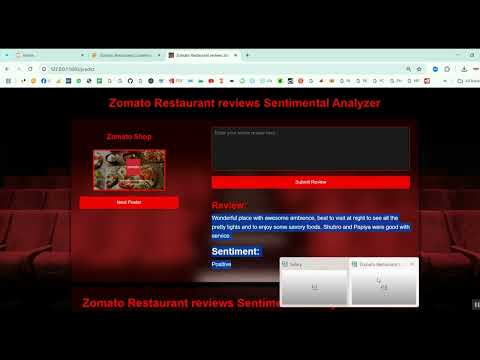
Zomato Restaurant Reviews Sentimental Analyzer in Python Projects
Zomato Restaurant Reviews Sentimental Analyzer in Python Projects
र 1000
⭐ Featured
⭐ Featured
AI & ML Models
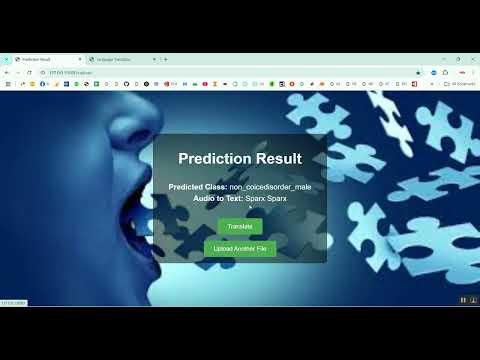
Voice Disorder Prediction using Audio Dataset in Python Projects
Voice Disorder Prediction using Audio Dataset in Python Projects
र 1000
AI & ML Models
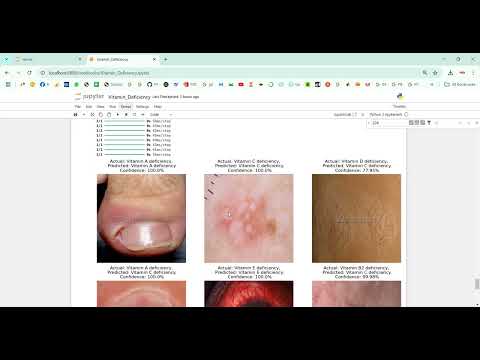
Vitamin Deficiency Detection Using Image Processing in Python Projects
Vitamin Deficiency Detection Using Image Processing in Python Projects
र 1000